
Every online retailer faces the reality that not every sale ends with a satisfied customer keeping their purchase. Inefficient reverse logistics can drain up to 10 percent of total sales, turning simple product returns into a major headache and lost revenue. But the unexpected upside is that companies with a strong returns process do not just avoid losses—they actually win customer loyalty and find hidden value in every returned item.
Table of Contents
- Defining The Reverse Logistics Process And Its Importance
- Core Principles Behind Reverse Logistics In Supply Chains
- How The Reverse Logistics Process Functions In E-commerce
- Challenges And Opportunities In Implementing Reverse Logistics
- Real-World Examples And Best Practices In Reverse Logistics
Quick Summary
| Takeaway | Explanation |
|---|---|
| Reverse logistics enhances customer satisfaction. | A streamlined return process builds loyalty, as customers expect easy, hassle-free returns in e-commerce. |
| It significantly impacts financial performance. | Poor management of returns can cost businesses up to 10% of their total sales, making effective logistics essential. |
| Sustainability is a critical benefit. | Robust reverse logistics processes reduce waste and appeal to environmentally conscious consumers, aligning with responsible business practices. |
| Technology optimizes reverse logistics processes. | Leveraging advanced data analytics and tracking systems can transform return management into a strategic opportunity, enhancing efficiency. |
| Centralized return processing drives efficiency. | Specialized facilities for returns streamline workflows, allowing for quicker processing and effective product disposition, benefiting overall operations. |
Defining the Reverse Logistics Process and Its Importance
Reverse logistics represents a critical operational strategy within e-commerce and supply chain management that addresses the complex journey of products moving backward through the traditional supply chain. Unlike standard logistics where goods travel from manufacturer to consumer, reverse logistics encompasses the processes of managing product returns, repairs, recycling, and potential reintegration into inventory.
The Core Concept of Reverse Logistics
At its fundamental level, reverse logistics is about creating efficient systems for handling products after they have been sold. This process involves multiple stages that require strategic planning and execution. According to International Centre for Trade Transparency, reverse logistics is essential for businesses seeking to optimize customer satisfaction and minimize operational costs.
Key components of the reverse logistics process include:
- Product return collection and transportation
- Inspection and assessment of returned items
- Determining product disposition (resale, repair, recycling, or disposal)
- Managing refunds or replacements
- Tracking and documenting return metrics
Strategic Importance in E-commerce
For online retailers, reverse logistics is not just an operational necessity but a strategic differentiator. Effective reverse logistics can significantly impact customer loyalty, brand reputation, and overall financial performance. Modern consumers expect seamless, hassle-free return experiences, and companies that excel in this area can gain substantial competitive advantages.
The financial implications are substantial. Poorly managed returns can lead to significant revenue loss, with estimates suggesting that inefficient reverse logistics can cost businesses up to 10% of their total sales. Check out our detailed guide on optimizing logistics management to understand how strategic planning can mitigate these challenges.
Moreover, reverse logistics plays a crucial role in sustainability efforts. By implementing robust return processes, businesses can reduce waste, promote product recycling, and minimize environmental impact. This approach not only benefits the planet but also resonates with environmentally conscious consumers who value responsible business practices.
Core Principles Behind Reverse Logistics in Supply Chains
Reverse logistics represents a sophisticated strategic framework that extends far beyond simple product returns. The core principles driving this complex process are rooted in creating value, minimizing waste, and maintaining operational efficiency throughout the supply chain ecosystem.
Value Recovery and Economic Optimization
At the heart of reverse logistics lies the principle of maximum value extraction from returned products. According to the National Academy of Engineering, successful reverse logistics strategies focus on systematic recovery mechanisms that transform potential losses into recoverable assets.
Key value recovery strategies include:
- Comprehensive product inspection and categorization
- Determining optimal disposition pathways
- Implementing cost-effective refurbishment processes
- Creating secondary market opportunities
- Developing transparent tracking and documentation systems
Closed-Loop Supply Chain Design
Closed-loop supply chain principles represent a fundamental approach to reverse logistics. This model emphasizes creating circular product lifecycles where items can be returned, reprocessed, and reintegrated into the supply chain. Closed-loop systems minimize waste, reduce environmental impact, and generate additional revenue streams.
Learn about our sustainable logistics solutions that support circular economy principles and help businesses optimize their return management strategies.
Data-Driven Decision Making
Modern reverse logistics relies heavily on advanced data analytics and intelligent tracking systems. By leveraging technology, businesses can transform return processes from cost centers into strategic opportunities. Comprehensive data collection enables precise tracking of return patterns, identifying root causes of product returns, and developing targeted improvement strategies.
Successful implementation requires robust technological infrastructure, real-time monitoring capabilities, and a commitment to continuous process refinement. Companies that embrace these core principles can turn reverse logistics from a necessary operational function into a competitive advantage that enhances customer satisfaction and operational efficiency.
How the Reverse Logistics Process Functions in E-commerce
The reverse logistics process in e-commerce is a sophisticated, multifaceted operational workflow that transforms product returns from potential financial liabilities into strategic opportunities for value recovery and customer satisfaction. This intricate system involves multiple interconnected stages that require precision, technology, and strategic planning.
Initial Return Initiation and Authorization
The return process begins the moment a customer decides to send back a product. E-commerce platforms typically provide multiple return initiation channels, including online return portals, mobile applications, and customer service interfaces. Explore our comprehensive guide on e-commerce logistics to understand the nuanced mechanics of modern return systems.
Key return authorization considerations include:
- Verifying purchase history and return eligibility
- Checking product condition against return policy
- Generating unique return merchandise authorization (RMA) codes
- Providing customers with return shipping instructions
- Establishing clear communication about return timelines
Product Assessment and Disposition
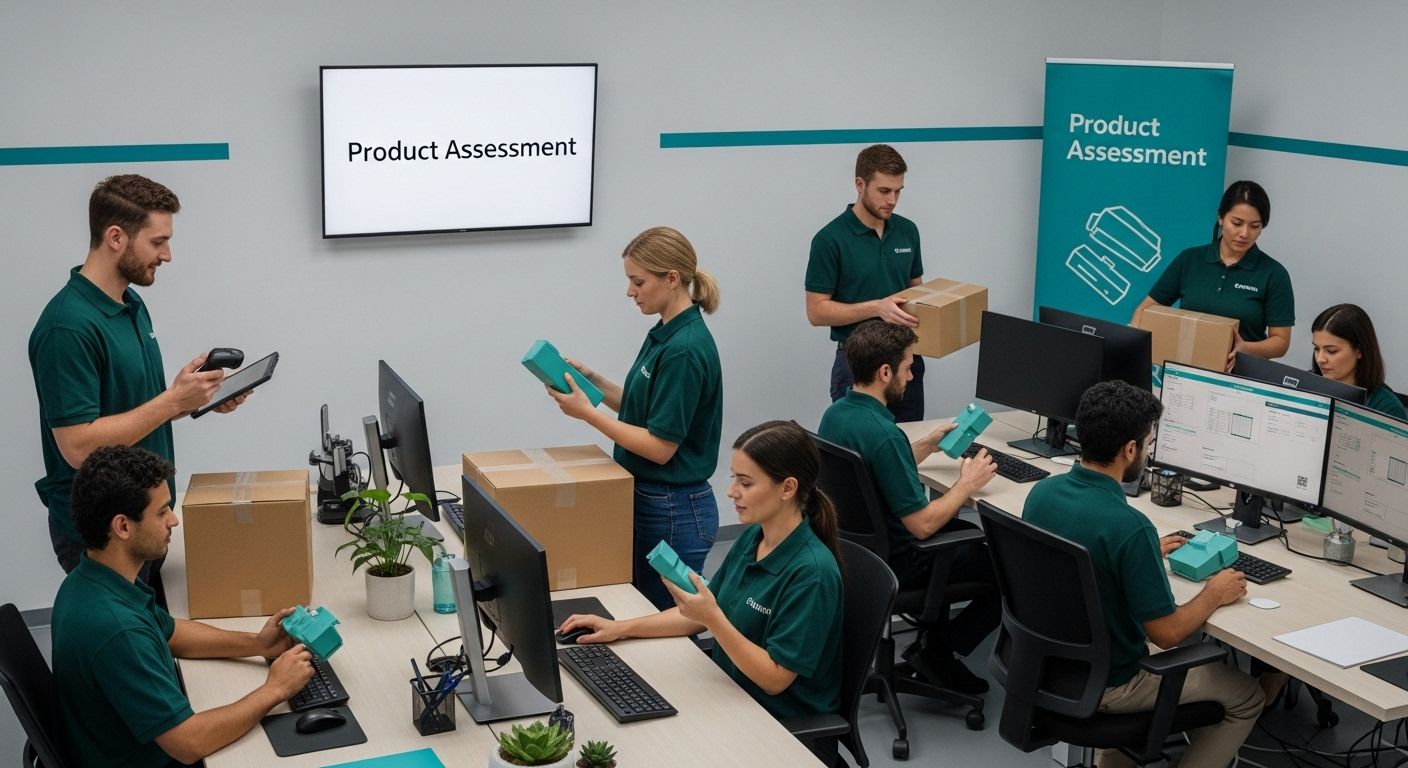
Once returned products arrive at processing centers, they undergo rigorous assessment to determine their potential future value. Trained logistics professionals meticulously inspect items to categorize them into specific disposition pathways. This critical stage involves evaluating product condition, functionality, and potential for resale or refurbishment.
The table below compares the different possible outcomes for returned products, highlighting each category and its main characteristics.
| Disposition Category | Description |
|---|---|
| Resale as New | Product is in original condition and resold as new |
| Refurbishment and Resale | Item is repaired or improved, then sold at a discount |
| Component Recycling | Usable parts are salvaged for reuse |
| Material Recovery | Materials are extracted for recycling |
| Responsible Disposal | Non-recoverable items are disposed of responsibly |
Possible product disposition categories typically include:
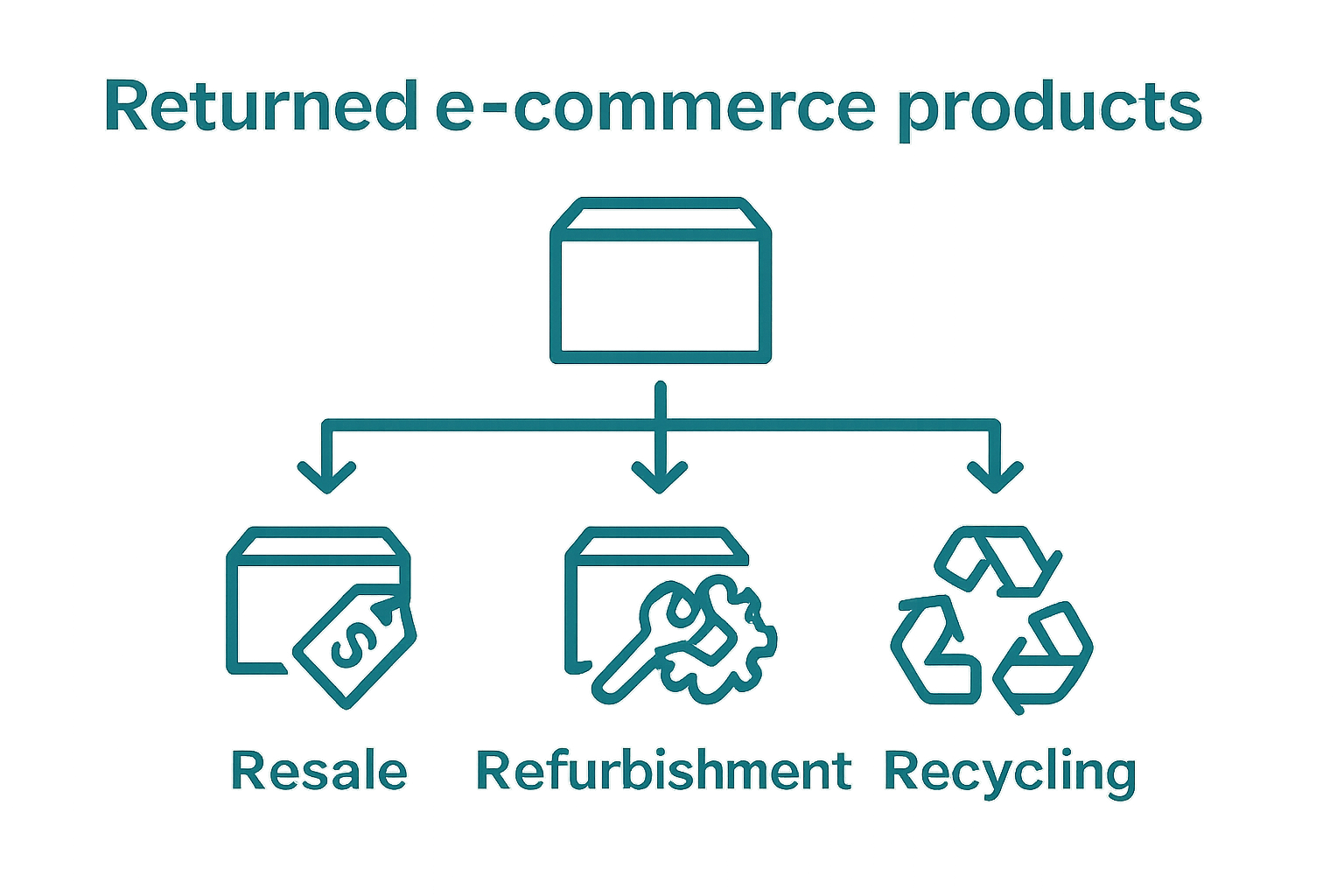
- Resale as new or like-new condition
- Refurbishment and resale at discounted prices
- Component recycling
- Material recovery
- Responsible disposal
Financial and Inventory Reconciliation
The final stage of the reverse logistics process involves comprehensive financial and inventory management. Advanced tracking systems integrate return data with enterprise resource planning (ERP) platforms, enabling real-time updates to inventory levels, financial records, and supply chain analytics.
Successful reverse logistics requires seamless technological integration, clear operational protocols, and a customer-centric approach that transforms returns from potential challenges into opportunities for enhanced customer loyalty and operational efficiency.
Challenges and Opportunities in Implementing Reverse Logistics
Reverse logistics presents a complex landscape of operational challenges and strategic opportunities for e-commerce businesses. While the process offers significant potential for value recovery and customer satisfaction, organizations must navigate a multifaceted environment of technological, financial, and operational considerations.
Operational and Technological Challenges
Implementing an effective reverse logistics system requires overcoming substantial operational hurdles. Technological integration and process standardization emerge as primary challenges for many organizations. According to research on e-commerce logistics, businesses frequently encounter obstacles in creating seamless return management systems.
The following table summarizes the main operational and technological challenges e-commerce companies face when implementing reverse logistics systems.
| Challenge | Description |
|---|---|
| Fragmented Return Channel Management | Handling multiple, disconnected return sources |
| Complex Inventory Tracking Systems | Difficulty tracking returned inventory accurately |
| High Transportation and Processing Costs | Increased expenses linked to reverse supply chain moves |
| Inconsistent Product Condition Assessment | Challenges in standardizing how products are evaluated |
| Limited Technological Infrastructure | Insufficient systems to support efficient returns |
Key operational challenges include:
- Fragmented return channel management
- Complex inventory tracking systems
- High transportation and processing costs
- Inconsistent product condition assessment
- Limited technological infrastructure
Economic and Strategic Opportunities
Reverse logistics represents a strategic opportunity to transform potential losses into valuable business insights. Learn more about sustainable logistics solutions that can help businesses optimize their return processes. By developing sophisticated return management strategies, companies can unlock multiple economic advantages.
Significant strategic opportunities encompass:
- Creating secondary market revenue streams
- Improving customer loyalty and retention
- Generating actionable supply chain intelligence
- Reducing overall product waste
- Enhancing brand reputation through customer-centric policies
Sustainability and Future Perspectives
Modern reverse logistics extends beyond mere operational efficiency, emerging as a critical component of sustainable business practices. Companies that successfully implement comprehensive reverse logistics strategies can significantly reduce environmental impact while simultaneously creating economic value.
The future of reverse logistics lies in intelligent integration of advanced technologies, data analytics, and a holistic approach to product lifecycle management. Businesses that view returns not as a cost center but as a strategic opportunity will be best positioned to thrive in the evolving e-commerce landscape.
Real-World Examples and Best Practices in Reverse Logistics
Reverse logistics has evolved from a peripheral operational function to a strategic business imperative, with leading organizations demonstrating innovative approaches to managing product returns. By implementing sophisticated systems and customer-centric strategies, companies are transforming potential challenges into opportunities for value creation and brand enhancement.
Centralized Return Processing Strategies
Successful organizations are increasingly adopting centralized return processing centers that streamline the entire reverse logistics workflow. According to U.S. Department of Transportation research, these specialized facilities enable rapid assessment, categorization, and disposition of returned products.
Key characteristics of effective centralized return centers include:
- Dedicated inspection and sorting infrastructure
- Advanced technological tracking systems
- Standardized product evaluation protocols
- Efficient refurbishment and repackaging capabilities
- Integrated data management platforms
Technology-Driven Return Management
Cutting-edge technology plays a crucial role in modern reverse logistics practices. Artificial intelligence and machine learning algorithms are revolutionizing product assessment and return optimization. Explore our insights on sustainable logistics solutions to understand how technology transforms return management.
Innovative technological approaches encompass:
- Automated product condition assessment
- Predictive analytics for return likelihood
- Real-time inventory reconciliation
- Blockchain-based traceability systems
- Advanced routing and disposition algorithms
Customer Experience and Sustainability Integration
Leading e-commerce organizations are reimagining reverse logistics as a critical touchpoint for customer engagement and environmental responsibility. By creating transparent, convenient return processes and emphasizing product recovery and recycling, businesses can simultaneously enhance customer satisfaction and demonstrate environmental stewardship.
The most successful reverse logistics strategies view returns not as a cost center, but as an opportunity to build brand loyalty, recover value, and contribute to circular economy principles. Companies that invest in sophisticated, technology-enabled, and customer-centric return systems will be best positioned to thrive in the evolving e-commerce landscape.
Ready to Turn Your Reverse Logistics Challenges Into Growth?
Managing returns, operational efficiency, and customer satisfaction can overwhelm any ecommerce business. As explained in our guide, reverse logistics is critical for protecting profits and keeping customers happy. Whether you struggle with unpredictable product returns, complex cross-border shipments, or tracking returns across multiple marketplaces, the pain of lost revenue and workflow disruptions is real. What if you could transform these pain points into an opportunity for growth and loyalty?
Choose a smarter path for your ecommerce logistics today. or-ner.com streamlines every step of your reverse logistics process with reliable courier services, end-to-end freight solutions, and real-time tracking. Our platform delivers global fulfillment support, inventory management, and seamless integration with major ecommerce channels.
Discover how our ecommerce logistics expertise and sustainable logistics solutions set us apart. Start optimizing your returns process and position your business for faster growth. Visit or-ner.com and take control of your logistics now.
Frequently Asked Questions
What is reverse logistics in e-commerce?
Reverse logistics in e-commerce refers to the process of managing product returns, repairs, recycling, and the reintegration of goods back into inventory. It encompasses the entire journey of products moving backward through the supply chain, from the consumer back to the manufacturer or retailer.
Why is reverse logistics important for online retailers?
Reverse logistics is crucial for online retailers because it enhances customer satisfaction, helps maintain brand reputation, and can significantly impact financial performance. Efficient management of returns can lead to increased customer loyalty and reduced operational costs.
What are the key stages in the reverse logistics process?
The key stages in the reverse logistics process include return initiation and authorization, product assessment and disposition, and financial and inventory reconciliation. Each stage requires careful handling to maximize value recovery from returned products.
How can technology improve reverse logistics?
Technology improves reverse logistics by enabling advanced tracking systems, automated product assessments, and data analytics. These tools help streamline the return process, reduce costs, and turn potential losses into valuable business insights.