

Peak season logistics can make or break a business when demand hits its highest point and tiny mistakes become expensive problems. The holiday rush is so intense that electronic shopping and mail-order sales in the US soared to $131.1 billion in December 2023 alone. It sounds like chaos is waiting to happen and yet, some companies turn these spikes into their biggest success stories of the year.
Table of Contents
- What Are Peak Season Logistics And Their Importance?
- The Key Factors Influencing Peak Season Logistics
- How Demand Fluctuations Shape Logistics Strategies
- The Role Of Technology In Optimizing Peak Season Logistics
- Real-World Examples Of Effective Peak Season Logistics
Quick Summary
| Takeaway | Explanation |
|---|---|
| Plan for increased order volumes | Prepare your logistics infrastructure for surges during peak shopping times like holidays and events. |
| Leverage technology for efficiency | Utilize predictive analytics and automation to streamline logistics during high-demand periods. |
| Adapt workforce for demand spikes | Recruit temporary staff and train them quickly to manage seasonal increases in order processing. |
| Implement flexible inventory strategies | Use real-time inventory tracking and buffer stock for high-demand products to prevent shortages. |
| Consider external factors in planning | Monitor weather and geopolitical conditions that could disrupt logistics operations during peak times. |
What Are Peak Season Logistics and Their Importance?
Peak season logistics represent a critical operational phase where businesses dramatically scale their supply chain and distribution capabilities to manage extraordinarily high demand periods. These concentrated timeframes typically occur during specific annual intervals like holiday shopping seasons, back-to-school periods, or major promotional events that trigger significant consumer purchasing activity.
Understanding Peak Season Volume Dynamics
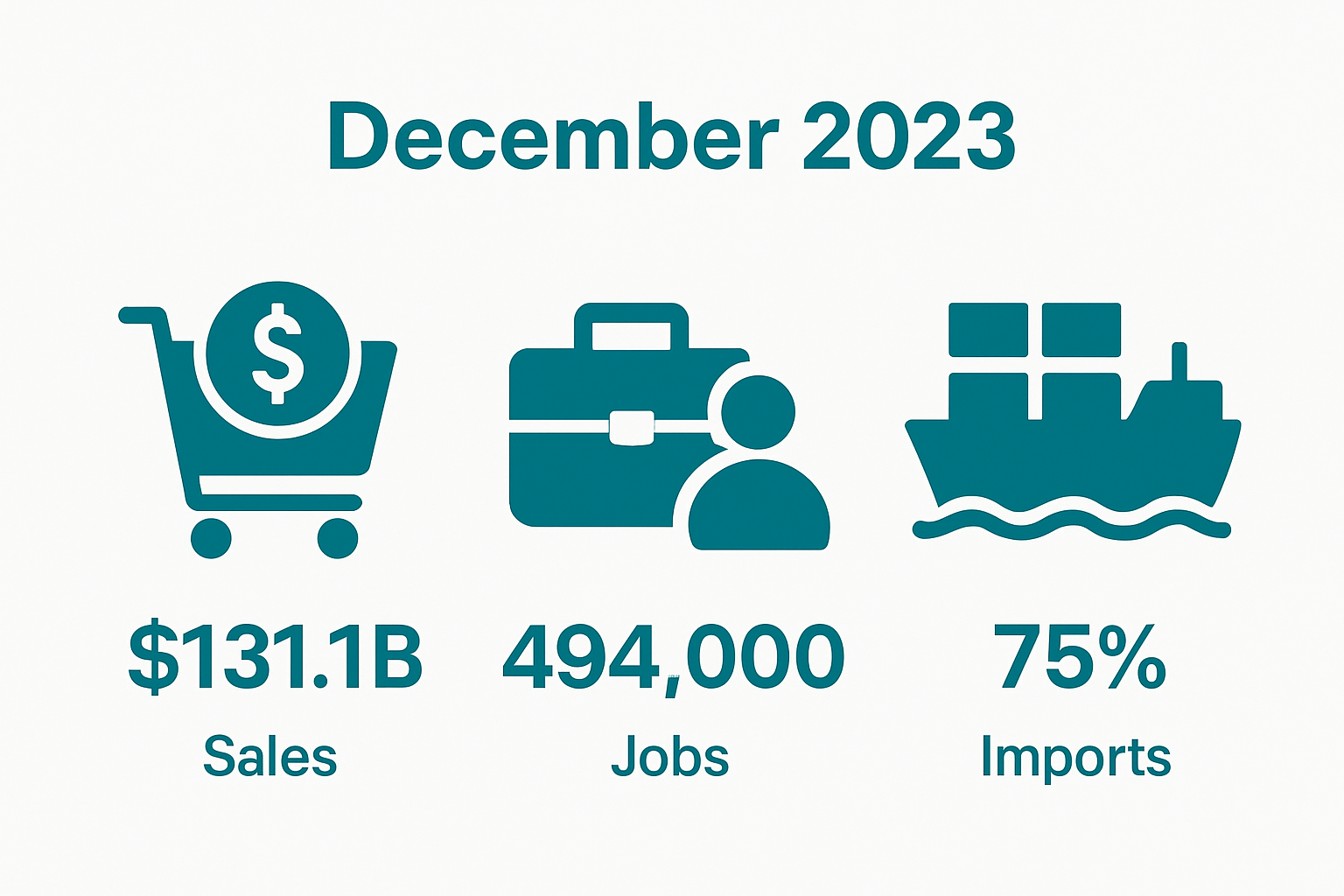
During peak seasons, companies must rapidly expand their logistics infrastructure to handle surging order volumes. Comprehensive ecommerce logistics strategies become essential for managing these intense operational challenges. The U.S. Census Bureau data reveals that electronic shopping and mail-order sales can spike dramatically, reaching $131.1 billion in December 2023 alone, underscoring the immense logistical pressures businesses encounter.
Key characteristics of peak season logistics include:
- Massive increases in order processing requirements
- Complex inventory management strategies
- Heightened transportation and delivery network demands
- Temporary workforce expansion
Strategic Importance in Business Operations
Peak season logistics are not merely about handling increased volume but representing a strategic capability that can define a company’s competitive edge. The Bureau of Labor Statistics reports that retailers added approximately 494,000 jobs from October to December 2023, demonstrating how organizations proactively prepare for these critical periods.
Businesses that successfully navigate peak season logistics can achieve significant advantages, including:
- Enhanced customer satisfaction through reliable delivery
- Optimized operational efficiency
- Potential revenue growth during high-demand periods
- Improved supply chain resilience
Understanding and executing peak season logistics requires meticulous planning, flexible infrastructure, and robust technological support to transform potential operational challenges into strategic opportunities for business growth and customer engagement.
The Key Factors Influencing Peak Season Logistics
Peak season logistics are driven by complex interconnected factors that demand strategic planning and adaptive capabilities from businesses. Understand the fundamentals of logistics operations to effectively navigate these challenging periods.
Consumer Demand and Market Dynamics
Consumer behavior plays a pivotal role in shaping peak season logistics. The U.S. Census Bureau data demonstrates how electronic shopping and mail-order sales can spike dramatically, reaching $131.1 billion in December 2023. These seasonal purchasing patterns create significant operational challenges for businesses across multiple sectors.
Key market dynamics influencing peak season logistics include:
- Seasonal shopping events (holidays, back-to-school)
- Online retail promotional periods
- Regional and cultural purchasing patterns
- Economic conditions affecting consumer spending
Operational Infrastructure and Capacity Management
Successful peak season logistics require robust infrastructure and strategic capacity planning. Companies must rapidly scale their operational capabilities to handle sudden volume increases. This involves complex coordination across multiple domains:
- Warehouse space and inventory management
- Transportation and distribution network flexibility
- Advanced technological systems for tracking and processing
- Temporary workforce recruitment and training
External Environmental Factors
External factors can significantly impact peak season logistics performance. The Federal Highway Administration notes that weather conditions alone can create substantial disruptions, with inclement conditions accounting for approximately 15% of nonrecurring freight transportation delays.
Critical external factors businesses must consider include:
- Weather and climate conditions
- Geopolitical events affecting supply chains
- Transportation infrastructure limitations
- Regulatory changes impacting shipping and logistics
Navigating peak season logistics demands a comprehensive approach that balances technological innovation, strategic planning, and adaptive operational capabilities to transform potential challenges into competitive advantages.
Below is a table summarizing the key factors influencing peak season logistics and their primary impact on business operations.
| Factor | Description | Primary Impact |
|---|---|---|
| Consumer Demand and Market Dynamics | Changes in seasonal shopping, promotions, and economic conditions | Drives volume fluctuations |
| Operational Infrastructure and Capacity Management | Ability to scale warehousing, distribution, and staffing | Supports rapid order increase |
| External Environmental Factors | Weather, geopolitical events, and regulations | Causes unexpected disruptions |
| Technology Utilization | Use of analytics, automation, and platform integration | Enhances flexibility & speed |
| Workforce Flexibility | Hiring and training temporary or seasonal staff | Meets labor needs for spikes |
How Demand Fluctuations Shape Logistics Strategies
Demand fluctuations represent a dynamic force that fundamentally transforms logistics strategies, compelling businesses to develop adaptive and responsive operational frameworks. Learn more about advanced ecommerce logistics techniques to understand how organizations navigate these complex challenges.
Predictive Analytics and Demand Forecasting
Modern logistics strategies increasingly rely on sophisticated predictive analytics to anticipate and prepare for demand variations. These advanced technological tools enable organizations to transform raw data into actionable insights, allowing proactive planning rather than reactive responses.
Key components of demand forecasting include:
- Historical sales data analysis
- Seasonal trend identification
- Consumer behavior pattern recognition
- Machine learning predictive models
Inventory Management and Flexibility
Successful logistics strategies must integrate dynamic inventory management approaches that can rapidly scale up or down based on demand signals. The U.S. Census Bureau data revealing electronic shopping sales reaching $131.1 billion in December 2023 demonstrates the critical need for flexible inventory systems.
Strategic inventory flexibility tactics involve:
- Implementing real-time inventory tracking
- Developing multi-location distribution networks
- Creating buffer stock for high-volatility product categories
- Establishing agile procurement processes
Supply Chain Resilience Mechanisms
Demand fluctuations necessitate robust supply chain resilience mechanisms that can absorb and adapt to sudden changes. The Federal Highway Administration notes that external factors like weather conditions can create substantial logistical disruptions, underscoring the importance of comprehensive strategic planning.
Critical resilience strategies include:
- Diversifying supplier networks
- Developing contingency logistics plans
- Investing in technological infrastructure
- Creating cross-functional response teams
Ultimately, effective logistics strategies transform demand fluctuations from potential challenges into opportunities for operational optimization and competitive differentiation.
The Role of Technology in Optimizing Peak Season Logistics
Technology has emerged as a transformative force in peak season logistics, enabling businesses to navigate complex operational challenges with unprecedented precision and efficiency. Explore the latest digital transformation strategies to understand how cutting-edge technologies revolutionize logistics performance.
Advanced Predictive Analytics and Machine Learning
Modern logistics technologies leverage sophisticated predictive analytics and machine learning algorithms to anticipate demand fluctuations and optimize operational strategies. These intelligent systems analyze massive datasets, identifying patterns and generating actionable insights that enable proactive decision-making during high-volume periods.
Key technological capabilities include:
- Real-time demand forecasting
- Automated inventory optimization
- Predictive maintenance scheduling
- Dynamic route and capacity planning
Integrated Logistics Management Platforms
Comprehensive technological platforms have transformed peak season logistics by providing end-to-end visibility and seamless coordination across complex supply chain networks. The U.S. Department of Transportation’s FLOW platform exemplifies how data-sharing technologies can enhance network transparency and performance, covering 75% of U.S. container imports.
Critical technological integration features encompass:
- Centralized data management systems
- Automated tracking and monitoring
- Real-time communication protocols
- Cross-functional workflow optimization
Automation and Smart Infrastructure
Automation technologies are revolutionizing peak season logistics by dramatically improving operational efficiency and scalability. The Government Accountability Office reports that leading container ports have increasingly adopted process-automation technologies, enabling denser cargo stacking and enhanced safety mechanisms.
Significant automation technologies include:
- Robotic warehouse management systems
- Automated sorting and packaging equipment
- AI-powered inventory tracking
- Autonomous transportation and delivery solutions
Technology has transformed peak season logistics from a potential operational bottleneck into a strategic opportunity for competitive differentiation, enabling businesses to deliver exceptional performance during high-demand periods.
The following table presents key technological tools and solutions discussed in the article, along with their main benefits for optimizing peak season logistics.
| Technology Solution | Key Features | Main Benefit |
|---|---|---|
| Predictive Analytics & Machine Learning | Real-time demand forecasting, automated optimization | Proactive planning for demand spikes |
| Integrated Logistics Management Platforms | Centralized data management, real-time tracking | End-to-end supply chain visibility |
| Automation & Smart Infrastructure | Robotics, automated sorting, autonomous transport | Boosts efficiency and scalability |
| AI-powered Inventory Tracking | Intelligent inventory monitoring and adjustment | Prevents stockouts and overstocking |
| Dynamic Route Planning | Automated adjustments to delivery routes | Reduces delays and enhances delivery speed |

Real-World Examples of Effective Peak Season Logistics
Peak season logistics strategies demonstrate remarkable adaptability and innovation across various industries. Explore advanced ecommerce logistics solutions to understand how successful organizations manage high-demand periods.
Retail and Ecommerce Sector Strategies
Leading ecommerce companies have developed sophisticated approaches to managing peak season challenges. Amazon, for instance, implements a multi-pronged strategy that includes expanding warehouse capacity, recruiting temporary workers, and leveraging advanced predictive analytics to anticipate and meet customer demand.
Key retail peak season logistics approaches include:
- Distributed inventory management
- Temporary fulfillment center expansion
- Advanced demand prediction models
- Flexible workforce scaling
Postal and Shipping Service Innovations
The United States Postal Service (USPS) provides an exemplary case study in peak season logistics management. According to their Office of Inspector General audit, the organization implemented comprehensive strategies during the 2023 fiscal year, including targeted hiring, deploying additional package sorting machines, and opening new sorting and delivery centers.
Critical shipping sector peak season tactics involve:
- Automated sorting technology deployment
- Strategic facility expansion
- Workforce flexibility and rapid training
- Performance monitoring and optimization
Transportation and Logistics Network Adaptations
Logistics networks demonstrate remarkable flexibility during peak periods. The U.S. Department of Transportation’s Urban Freight Lab pilot project revealed innovative approaches to last-mile delivery, including consolidated parcel lockers that reduced delivery times by up to 78% and eliminated failed first delivery attempts.
Significant transportation network adaptation strategies include:
- Consolidated delivery point systems
- Dynamic routing optimization
- Real-time capacity management
- Multimodal transportation integration
These real-world examples illustrate how strategic planning, technological innovation, and adaptive capabilities transform peak season logistics from potential operational challenges into opportunities for exceptional performance and customer satisfaction.
Take Control of Peak Season Logistics With Reliable Courier Services
Struggling to meet surging demand and the stress of order spikes during critical sales periods is a real challenge for ecommerce sellers. As explained in the article, efficiently managing inventory, rapid order fulfillment, and consistent delivery are the keys to winning customer trust during peak seasons. If your business is facing delays, inventory mismatches, or overwhelmed shipping partners, it is time to consider a solution that puts reliability first.
Choose reliable courier services at or-ner.com and access a global network of warehouses, fulfillment centers, and advanced tracking for every shipment. Automate your workflows and get real-time updates, whether you are selling toys, home goods, or apparel. Visit our platform now to secure seamless logistics for your next peak season and deliver the reliability your customers expect. Act today and avoid the last-minute scramble.
Frequently Asked Questions
What are peak season logistics?
Peak season logistics refer to the operational strategies and practices businesses implement to manage an increase in demand during specific times of the year, such as holiday seasons or major promotional events.
Why is peak season logistics important for businesses?
Peak season logistics are crucial as they help businesses handle large volumes of orders efficiently, ensuring timely deliveries, enhancing customer satisfaction, and maximizing revenue during high-demand periods.
What key factors influence peak season logistics?
Key factors influencing peak season logistics include consumer demand patterns, operational infrastructure capabilities, market dynamics, and external environmental factors like weather or regulatory changes.
How can technology improve peak season logistics?
Technology enhances peak season logistics through advanced predictive analytics, integrated logistics management platforms, and automation, allowing businesses to optimize operations, improve efficiency, and adapt to fluctuating demand.