Freight forwarding keeps the global economy moving, yet most people only notice it when their shipments get delayed or stuck at customs. Every day, these specialists help businesses navigate a maze of international rules and borders, with over 90 percent of world trade moving by sea alone. But the real surprise is that it’s not just about moving goods—it’s about transforming chaotic, confusing international trade into something predictable and manageable for companies large and small.
Table of Contents
- What Is Freight Forwarding And Why Is It Important?
- Key Elements Of The Freight Forwarding Process
- The Roles And Responsibilities Of Freight Forwarders
- How Freight Forwarding Facilitates Global Trade
- Challenges And Solutions In The Freight Forwarding Process
Quick Summary
| Takeaway | Explanation |
|---|---|
| Freight forwarders simplify global shipping | They manage logistics, reducing complexity and enhancing efficiency for businesses. |
| Customs navigation is critical | Accurate documentation and regulatory expertise can prevent shipping delays and legal issues. |
| Technology enhances freight forwarding | Advanced tracking and digital documentation improve transparency and operational efficiency in logistics. |
| Freight forwarders save costs | By consolidating shipments and optimizing routes, they reduce overall transportation expenses for companies. |
| Risk management is essential | Proactive planning and adaptability help freight forwarders navigate operational challenges effectively. |
What is Freight Forwarding and Why is it Important?
Freight forwarding is a critical logistics service that acts as a strategic intermediary in global trade, helping businesses transport goods efficiently across complex international supply chains. Freight forwarding specialists essentially manage the intricate process of shipping cargo from one destination to another, coordinating multiple transportation modes and handling extensive administrative requirements.
The Core Role of Freight Forwarders
Freight forwarders function as specialized logistics professionals who design and execute comprehensive shipping strategies. Their primary responsibilities include:
- Negotiating transportation rates with carriers
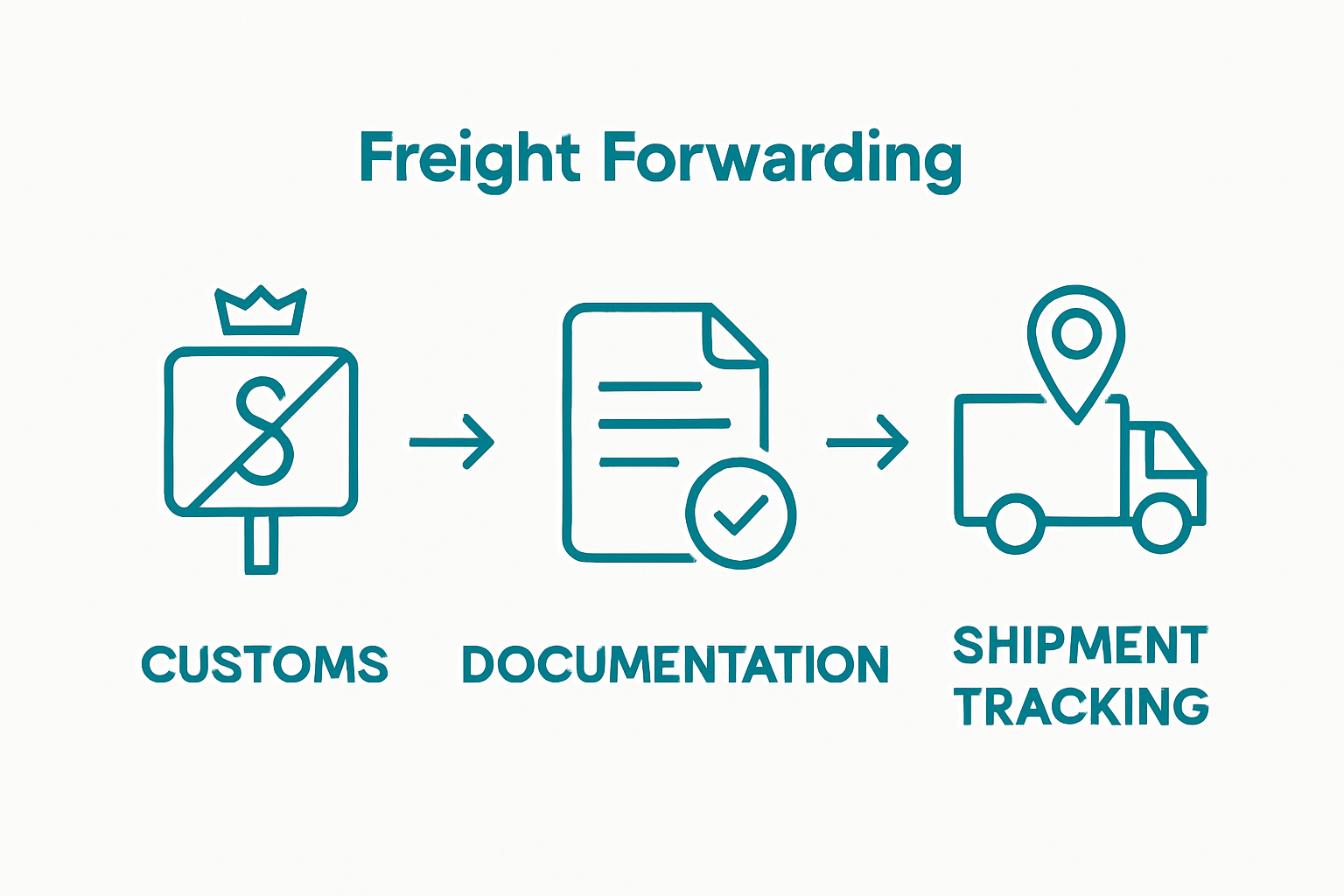
- Preparing necessary shipping documentation
- Managing customs clearance procedures
- Selecting optimal transportation routes
- Tracking shipments across international borders
These professionals serve as critical problem solvers who understand the nuanced challenges of global shipping. They transform complicated international logistics into streamlined, manageable processes for businesses of all sizes.
Strategic Importance in Global Trade
The strategic value of freight forwarding extends far beyond simple transportation. By leveraging their extensive network of global connections, freight forwarders help businesses overcome significant logistical challenges. They provide specialized knowledge about international shipping regulations, tariff classifications, and complex customs requirements.
Businesses rely on freight forwarders to reduce shipping complexity, minimize potential risks, and optimize transportation costs. These professionals essentially act as knowledgeable translators who bridge communication and operational gaps between shippers, carriers, and regulatory authorities.
For businesses looking to expand their global reach, understanding the benefits of freight forwarding becomes crucial in developing robust international trade strategies. By partnering with experienced freight forwarding services, companies can focus on their core business operations while ensuring their goods move efficiently across international markets.
Key Elements of the Freight Forwarding Process
The freight forwarding process involves a complex series of interconnected steps designed to move goods efficiently and safely across international borders. According to research from North Carolina State University, the process typically encompasses six critical stages that ensure seamless global transportation.
Initial Logistics and Documentation Preparation
Before goods begin their journey, freight forwarders conduct extensive preparation. This crucial phase involves:
- Analyzing shipment requirements and characteristics
- Selecting appropriate transportation modes
- Preparing comprehensive shipping documentation
- Verifying packaging and handling specifications
- Assessing potential regulatory compliance issues
These preparatory steps are fundamental in mitigating potential shipping risks and ensuring smooth cargo movement.
Freight forwarders meticulously evaluate each shipment’s unique requirements to develop a tailored transportation strategy.
International Shipping and Customs Navigation
The international shipping stage represents the most complex component of the freight forwarding process. Customs clearance becomes a critical checkpoint where documentation accuracy determines shipment success. Freight forwarders must navigate intricate regulatory landscapes, managing everything from tariff classifications to import/export restrictions.
Professional freight forwarders leverage their extensive global network to expedite customs procedures, reducing potential delays and minimizing bureaucratic complications. They understand the nuanced requirements of different countries and can anticipate potential challenges before they emerge.
Tracking and Final Delivery Coordination
The final stage of freight forwarding involves comprehensive shipment tracking and coordinating the ultimate delivery. Modern courier services now integrate advanced technological solutions that provide real-time tracking, enabling businesses to monitor their cargo’s precise location and estimated arrival time.
By understanding these key elements, businesses can appreciate the sophisticated logistics network that enables global trade, transforming complex international shipping into a manageable, predictable process.
The Roles and Responsibilities of Freight Forwarders
Freight forwarders serve as essential logistics professionals who manage complex international shipping operations, acting as critical intermediaries between businesses and global transportation networks. According to research from West Virginia University, their roles extend far beyond simple transportation coordination.
Strategic Planning and Logistics Management
The strategic responsibilities of freight forwarders encompass comprehensive logistics planning. Their core functions include:
- Analyzing shipping routes and transportation methods
- Calculating precise shipping costs and expenses
- Developing efficient transportation strategies
- Evaluating potential logistical challenges
- Recommending optimal shipping solutions
These professionals leverage their extensive industry knowledge to design cost-effective and time-efficient shipping approaches that meet each client’s unique requirements. They transform complex logistical challenges into streamlined, manageable transportation plans.
Documentation and Regulatory Compliance
One of the most critical responsibilities of freight forwarders involves managing intricate documentation and ensuring strict regulatory compliance. Customs clearance represents a complex process where precision and expertise are paramount. Freight forwarders must prepare comprehensive documentation including:
- Commercial invoices
- Packing lists
- Certificates of origin
- Import/export declarations
- Shipping manifests
By meticulously handling these documents, they help businesses navigate international trade regulations and prevent potential legal complications.
Communication and Network Management
Freight forwarders function as crucial communication bridges between multiple stakeholders in the global shipping ecosystem. Learn more about modern supply chain strategies that highlight the importance of effective logistics coordination. They maintain relationships with carriers, customs officials, port authorities, and clients, ensuring smooth information exchange and resolving potential shipping challenges proactively.
Their extensive global network allows them to negotiate better shipping rates, find alternative transportation routes during disruptions, and provide real-time updates to businesses seeking transparent logistics solutions.
The following table outlines the main responsibilities of freight forwarders, highlighting the specific focus of each area for better understanding of their multifaceted role.
| Responsibility Area | Focus | Key Activities |
|---|---|---|
| Strategic Planning & Logistics | Designing efficient shipping strategies | Route analysis, cost calculations, solution design |
| Documentation & Compliance | Managing regulatory and customs requirements | Preparing invoices, declarations, certificates |
| Communication & Network Management | Coordinating between stakeholders | Liaising with carriers, customs, and clients |
| Risk Management | Mitigating operational and logistical disruptions | Proactive planning, route diversification |
| Technology Integration | Enhancing transparency and efficiency | Real-time tracking, digital documentation |
How Freight Forwarding Facilitates Global Trade
Freight forwarding plays a pivotal role in enabling seamless international commerce by bridging complex logistical challenges and transforming global transportation networks. According to the International Federation of Freight Forwarders Associations, these specialized services are fundamental in connecting businesses across different geographical and regulatory landscapes.
Breaking Down International Trade Barriers
Freight forwarders systematically dismantle the complex barriers that traditionally impede international trade. Their strategic interventions help businesses overcome significant challenges such as:
- Navigating intricate customs regulations
- Managing multilingual documentation requirements
- Understanding diverse international shipping protocols
- Mitigating cross-border transportation risks
- Coordinating complex multimodal transportation strategies
Regulatory expertise becomes a critical advantage, allowing businesses to expand their market reach without getting entangled in bureaucratic complexities. Freight forwarders essentially serve as knowledgeable translators who convert complicated international trade requirements into actionable logistics strategies.
Economic Efficiency and Cost Optimization
By consolidating shipments and leveraging extensive transportation networks, freight forwarders generate substantial economic benefits for businesses. They negotiate competitive shipping rates, optimize transportation routes, and reduce overall logistics expenditures through strategic planning.
The economies of scale they create enable smaller businesses to access global markets that would otherwise be financially prohibitive. Their ability to combine multiple shipments reduces per-unit transportation costs, making international trade more accessible and economically viable for companies of all sizes.
Technology and Global Connectivity
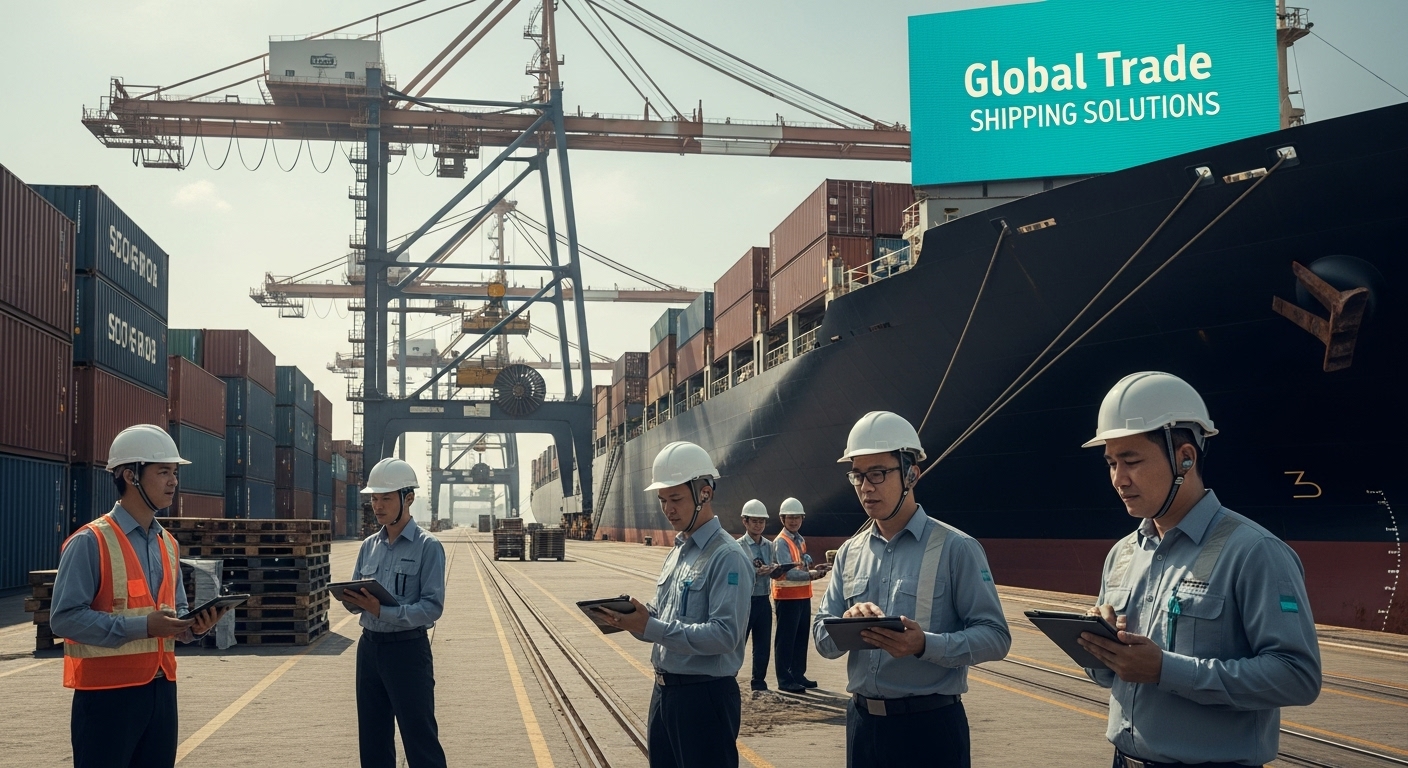
Modern freight forwarding transcends traditional logistics by integrating advanced technological solutions. Explore advanced courier services that demonstrate how technology transforms global trade dynamics. Real-time tracking systems, predictive analytics, and digital documentation platforms enable unprecedented transparency and efficiency in international shipping.
These technological innovations allow businesses to monitor their global supply chains with precision, making informed decisions and responding quickly to potential disruptions. Freight forwarders have evolved from mere transportation coordinators to strategic partners who leverage technology to create more resilient and responsive global trade ecosystems.
Challenges and Solutions in the Freight Forwarding Process
The freight forwarding industry confronts an increasingly complex landscape of operational challenges that demand innovative and strategic solutions. According to the World Economic Forum, these challenges extend beyond traditional logistical constraints and now encompass technological, regulatory, and environmental dimensions.
Technological and Cybersecurity Risks
Modern freight forwarding operations face significant technological vulnerabilities that can compromise entire supply chain networks. The primary technological challenges include:
- Protecting sensitive logistics data from cyber threats
- Ensuring secure digital communication channels
- Preventing unauthorized access to shipping information
- Maintaining system integrity across complex networks
- Implementing robust encryption protocols
Cybersecurity resilience has become a critical operational requirement. Freight forwarders must develop comprehensive digital defense strategies that protect against potential ransomware attacks, data breaches, and system infiltrations that could disrupt global shipping operations.
Regulatory Compliance and Environmental Considerations
Navigating the intricate landscape of international shipping regulations presents another significant challenge for freight forwarders. Businesses must continuously adapt to evolving legal frameworks that govern international trade, environmental standards, and transportation protocols.
The complexity of regulatory compliance demands a proactive approach. Freight forwarders must develop flexible strategies that can quickly respond to changing international trade policies, customs regulations, and environmental protection requirements. This involves maintaining extensive knowledge of global shipping laws and implementing agile compliance management systems.
Operational Adaptability and Risk Management
Modern courier services increasingly emphasize the importance of developing robust risk management strategies. Successful freight forwarders must anticipate and mitigate potential disruptions through comprehensive planning and advanced technological integration.
Key risk management approaches include diversifying transportation routes, maintaining flexible logistics networks, and leveraging predictive analytics to forecast and prevent potential shipping challenges. By adopting a proactive and technology-driven approach, freight forwarders can transform potential operational obstacles into opportunities for innovation and improved service delivery.
This table summarizes the major challenges faced by freight forwarders and the strategic solutions used to address each challenge within the global shipping landscape.
| Challenge Area | Example Issues | Strategic Solutions |
|---|---|---|
| Technological & Cybersecurity Risks | Cyber threats, data breaches | Strong encryption, secure communication |
| Regulatory Compliance & Environment | Changing trade policies, legal complexities | Agile compliance systems, updated legal knowledge |
| Operational Adaptability & Risk Mgmt | Shipping disruptions, route blockages | Diversified routes, predictive analytics |
| Cost Optimization | High shipping expenses, inefficient routing | Consolidation, negotiation, route optimizations |
| Supply Chain Transparency | Limited cargo visibility, delayed updates | Advanced tracking, real-time data sharing |
Uncomplicate Freight Forwarding for Your Ecommerce Business
If the freight forwarding process feels confusing and full of hidden risks, you are not alone. Many businesses struggle with customs clearance, shipment tracking, complex documentation, and unpredictable delivery timelines. Our article explained how critical reliable partners and clear logistics visibility are for your success. Now, imagine a platform built to erase these pain points and empower your growth.
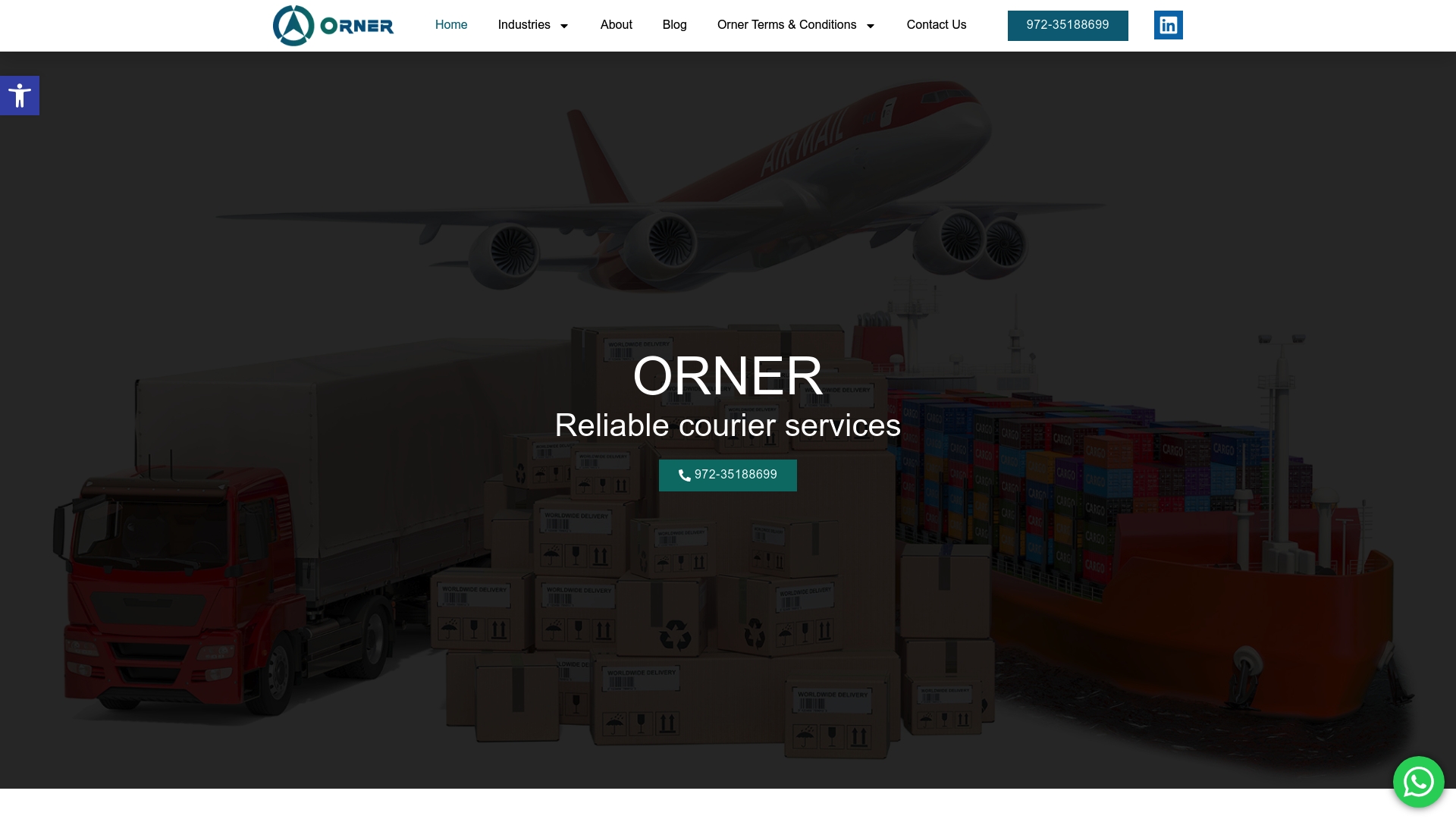
Meet or-ner.com, your all-in-one solution for global shipping, reliable courier services, and seamless supply chain management. Our platform brings together real-time shipment tracking, end-to-end freight booking, and expert customs support for efficient cross-border trade. Whether you need warehousing, inventory management, or automated workflows designed for ecommerce, you will find tailored support here. Start simplifying your international shipping today—explore our reliable courier services right now and unlock fast, flexible delivery for your business.
Frequently Asked Questions
What is freight forwarding?
Freight forwarding is a logistics service that acts as an intermediary in global trade, helping businesses transport goods efficiently across international supply chains.
What are the main roles of a freight forwarder?
Freight forwarders negotiate transport rates, prepare shipping documentation, manage customs clearance, select transport routes, and track shipments, ensuring smooth cargo movement across borders.
How do freight forwarders help reduce shipping costs?
Freight forwarders consolidate shipments, negotiate competitive rates, optimize transportation routes, and leverage economies of scale, making international trade more affordable for businesses.
What challenges do freight forwarders face in the shipping process?
Freight forwarders encounter challenges such as technological vulnerabilities, regulatory compliance complexities, and the need for operational adaptability to manage risks and ensure efficient shipping.