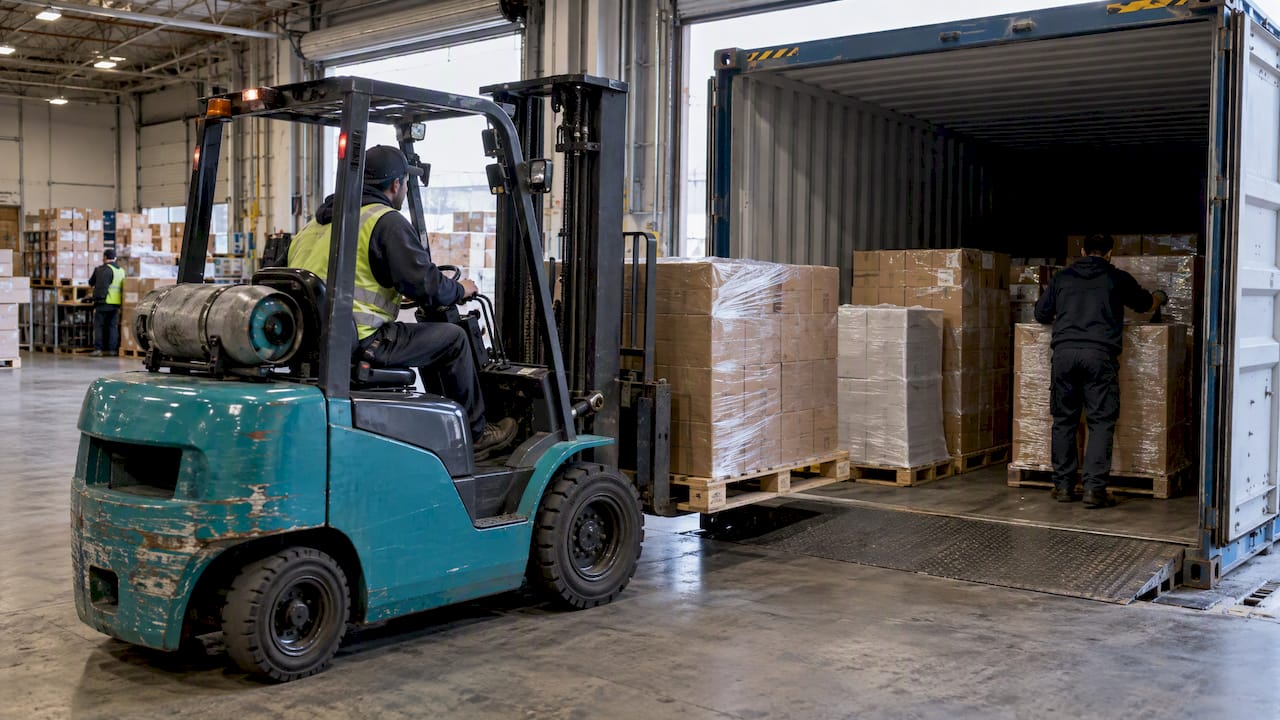
Nearly 60 percent of American logistics managers at mid-sized ecommerce companies say increasing fleet efficiency has a direct impact on profitability. Fleet operations can drain budgets without intelligent systems in place to monitor performance and manage costs. Telematics offers a smarter, data-driven approach that transforms how vehicles are tracked and optimized. Discover how integrating telematics helps solve real challenges and opens the door to measurable improvements in fleet management.
Table of Contents
- Defining Telematics for Fleet Management
- Types of Telematics Systems and Devices
- How Telematics Powers Operational Efficiency
- Safety, Compliance, and Regulatory Impact
- Costs, Risks, and Common Pitfalls
- Best Practices for Implementation and Adoption
Key Takeaways
| Point | Details |
|---|---|
| Telematics Enhances Fleet Management | Telematics integrates GPS, diagnostics, and software to provide real-time insights for optimizing vehicle fleets. |
| Diverse System Types Available | Different telematics systems, like GPS tracking and advanced diagnostics, cater to specific operational needs and enhance decision-making. |
| Strategic Risk Management and Compliance | Telematics supports safety, compliance, and regulatory adherence by providing critical data for proactive risk management. |
| Implementation Best Practices | Successful telematics adoption involves leadership commitment, comprehensive training, and continuous data evaluation to maximize operational benefits. |
Defining Telematics for Fleet Management
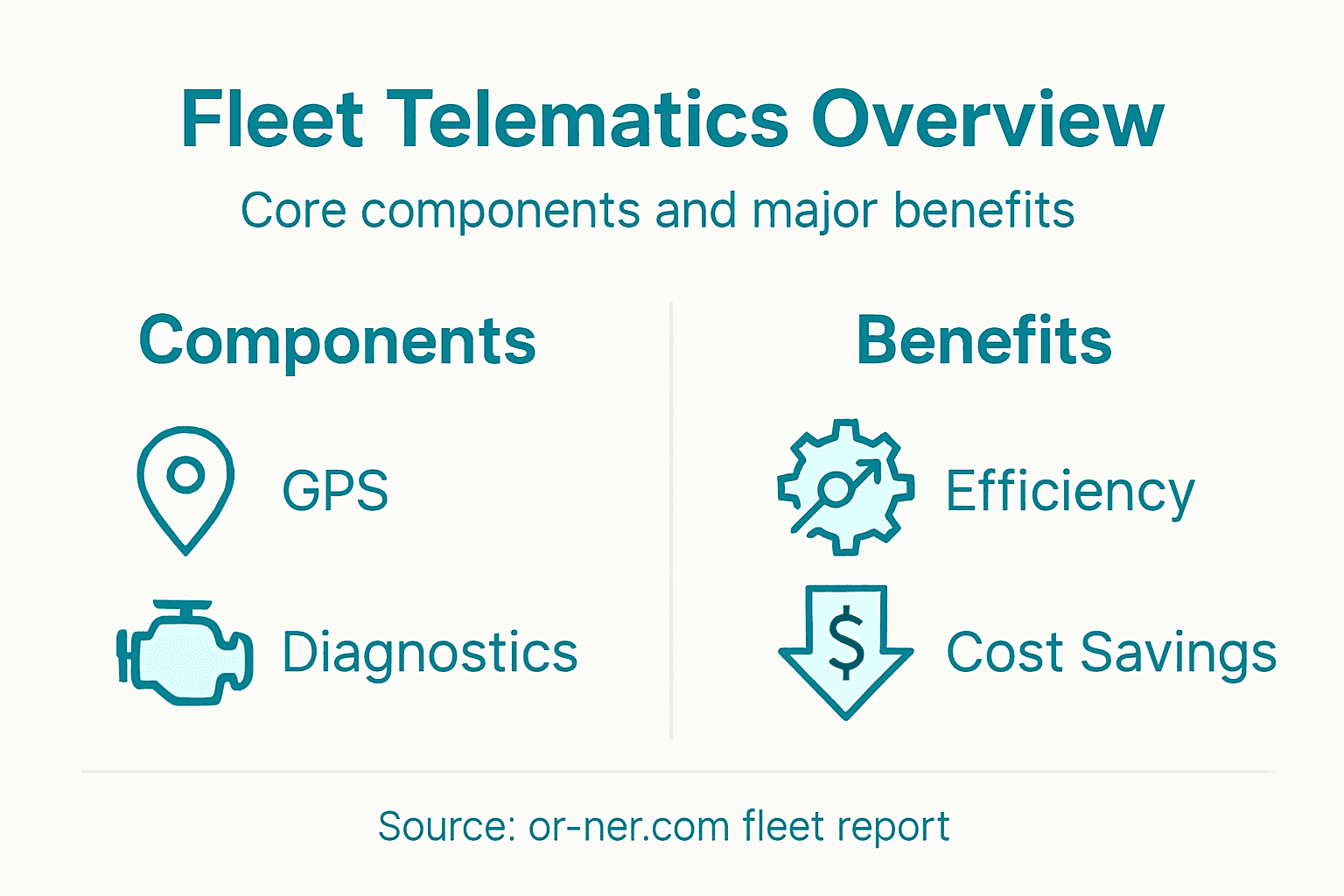
Telematics is an advanced technological approach that transforms how logistics managers monitor and optimize their vehicle fleets. By integrating GPS tracking, onboard diagnostics, and sophisticated software systems, telematics provides real-time insights into vehicle performance, driver behavior, and operational efficiency.
At its core, a fleet telematics system manages vehicle operations through hardware and centralized software platforms. These systems collect comprehensive data across multiple dimensions, including:
- Vehicle location tracking
- Mechanical health monitoring
- Driver performance analysis
- Fuel consumption metrics
- Route optimization suggestions
The technological ecosystem of telematics relies on multiple interconnected components. Telematics technologies monitor vehicle conditions using advanced sensors like GPS, onboard diagnostic ports, accelerometers, and video monitoring systems. By integrating artificial intelligence, these platforms transform raw data into actionable business intelligence that helps fleet managers make strategic decisions.
Modern telematics solutions go beyond simple tracking. They provide predictive maintenance alerts, safety coaching recommendations, and detailed performance analytics that can significantly reduce operational costs. Logistics managers gain unprecedented visibility into their fleet’s daily operations, enabling proactive management and continuous performance improvement.
Pro tip: Implement a comprehensive telematics solution that offers customizable reporting and integrates seamlessly with your existing fleet management software to maximize operational insights and efficiency.
Types of Telematics Systems and Devices
Telematics systems are far from one-size-fits-all solutions. Modern fleet management requires sophisticated technological approaches that can adapt to diverse operational needs and vehicle types. Fleet telematics systems encompass a wide range of hardware and software configurations designed to provide comprehensive operational insights.
The primary categories of telematics systems include:
Here’s a summary of how major types of telematics systems differ in function and business impact:
| System Type | Main Function | Typical Hardware | Business Impact |
|---|---|---|---|
| Basic GPS Tracking | Location and route mapping | GPS receivers | Improved route visibility |
| Advanced Diagnostics | Vehicle health analytics | OBD adapters, sensors | Reduced maintenance costs |
| Video Telematics | Event recording and safety | Dashcams, sensors | Enhanced risk management |
- Basic GPS Tracking Systems
- Simple location monitoring
- Real-time vehicle positioning
- Basic route tracking
- Advanced Diagnostic Systems
- Comprehensive vehicle health monitoring
- Predictive maintenance alerts
- Detailed performance analytics
- Video Telematics Systems
- Dashcam integration
- Driver behavior recording
- Incident documentation and analysis
Telematics communication methods utilize multiple connectivity technologies, including cellular networks, Wi-Fi, Bluetooth, and satellite transmission. Each communication method offers unique advantages depending on fleet infrastructure, geographic coverage, and data transmission requirements.
Hardware components are equally diverse, ranging from compact GPS receivers to complex onboard diagnostic units. Key device types include telematics control units, OBD-II adapters, advanced sensors, and integrated communication modules. These devices collect critical data points such as location, engine performance, fuel consumption, and driver behavior metrics.
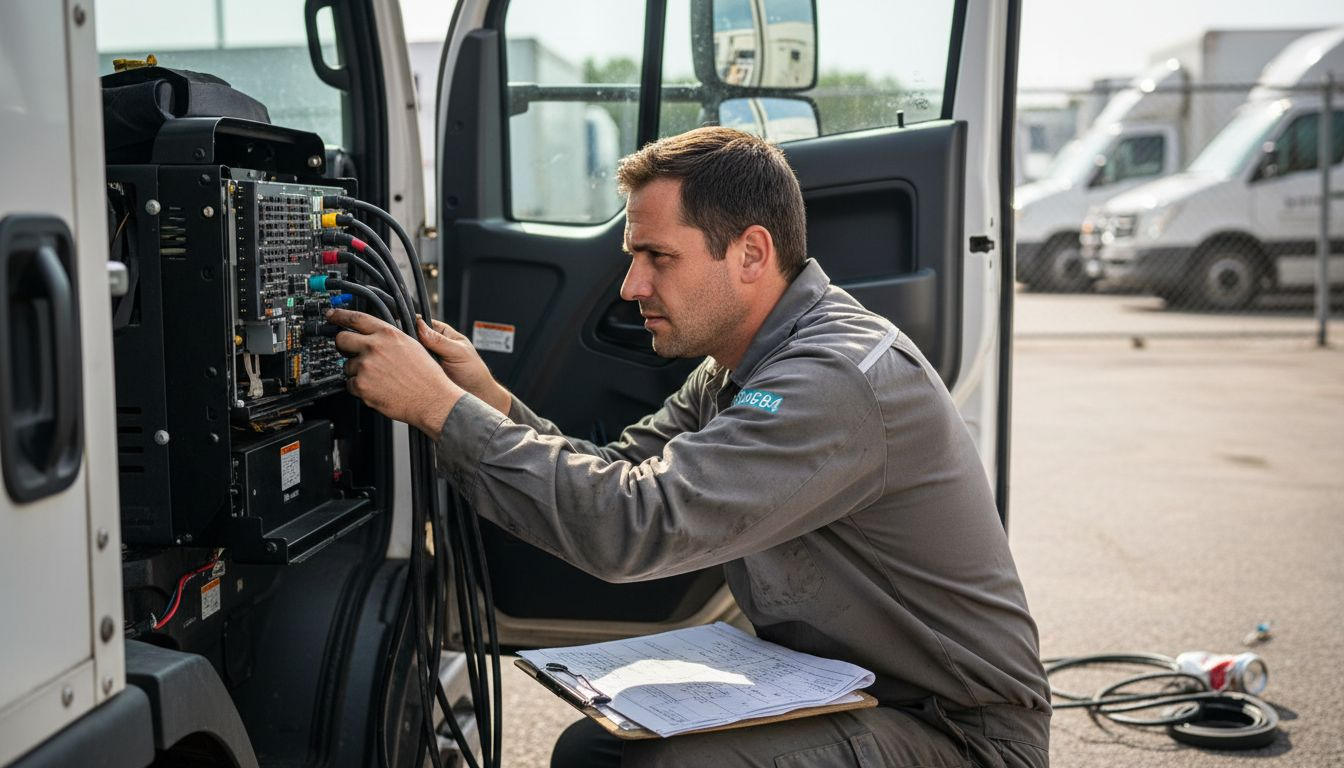
Modern telematics solutions integrate artificial intelligence and machine learning algorithms to transform raw data into actionable business intelligence. By providing real-time insights and predictive analytics, these systems enable logistics managers to make informed decisions that optimize fleet performance and reduce operational costs.
Pro tip: Select a telematics system with modular hardware that supports multiple communication protocols to ensure future scalability and seamless integration across different vehicle types.
How Telematics Powers Operational Efficiency
Telematics is a transformative technology that drives substantial improvements in fleet operational efficiency. By providing granular, real-time insights into vehicle performance, driver behavior, and operational dynamics, these advanced systems enable logistics managers to make data-driven decisions that directly impact productivity and cost management.
Vehicle telematics enhances fleet efficiency through multiple strategic approaches:
-
Route Optimization
- Minimize travel distances
- Reduce fuel consumption
- Decrease unnecessary idle time
-
Predictive Maintenance
- Monitor vehicle health indicators
- Schedule proactive repairs
- Prevent unexpected breakdowns
-
Driver Performance Management
- Track driving behaviors
- Identify safety risks
- Implement targeted training programs
Centralized data analysis platforms leverage artificial intelligence to transform raw sensor data into actionable intelligence. These sophisticated systems aggregate information from multiple sources, creating comprehensive performance dashboards that reveal inefficiencies and opportunities for optimization.
The economic impact of telematics is significant. By providing detailed insights into fuel management, emissions reduction, and operational workflows, these technologies help organizations streamline their fleet management strategies. Intelligent tracking enables precise diagnostics, allowing managers to make informed decisions that reduce overall operational expenses and improve resource allocation.
Modern telematics solutions go beyond simple tracking. They integrate advanced machine learning algorithms that can predict potential issues, recommend optimal maintenance schedules, and provide strategic insights that transform fleet management from a reactive to a proactive discipline.
Pro tip: Implement a comprehensive telematics solution with customizable reporting features that allow you to create specialized dashboards targeting your specific operational key performance indicators.
Safety, Compliance, and Regulatory Impact
Telematics has become a critical tool for ensuring safety, compliance, and regulatory adherence in modern fleet management. By providing unprecedented visibility into vehicle operations and driver behaviors, these advanced systems help organizations navigate complex regulatory landscapes while maintaining the highest standards of operational safety.
Cybersecurity requirements for telematics systems have become increasingly sophisticated, addressing multiple dimensions of data protection and operational integrity. Key compliance considerations include:
-
Data Privacy Protection
- Secure data transmission protocols
- Encrypted storage mechanisms
- Access control and authentication
-
Regulatory Reporting
- Electronic logging documentation
- Hours of service tracking
- Automated compliance reporting
-
Safety Monitoring
- Real-time risk assessment
- Driver behavior analysis
- Predictive safety interventions
Road safety monitoring technologies have transformed how commercial fleets approach risk management. Insurance companies now actively encourage telematics adoption by offering premium discounts to organizations that demonstrate proactive safety measures and consistent regulatory compliance.
The regulatory landscape for commercial transportation continues to evolve, with increasing emphasis on data-driven safety mechanisms. Telematics systems provide a comprehensive solution that not only meets current regulatory requirements but also anticipates future compliance needs. By integrating advanced analytics, machine learning, and real-time monitoring, these technologies help organizations stay ahead of emerging safety standards and legal mandates.
Beyond mere compliance, telematics represents a strategic approach to risk management. The ability to track, analyze, and respond to potential safety issues in real-time enables fleet managers to create more robust, transparent, and accountable operational environments.
Pro tip: Develop a comprehensive telematics compliance strategy that goes beyond minimum regulatory requirements, treating safety data as a strategic asset for continuous improvement.
Costs, Risks, and Common Pitfalls
Implementing telematics solutions involves navigating a complex landscape of financial investments, technological challenges, and organizational dynamics. While the potential benefits are substantial, fleet managers must carefully assess the potential costs and risks associated with comprehensive telematics deployment.
Telematics implementation challenges can be categorized into several critical areas:
-
Financial Considerations
- Significant upfront hardware investment
- Software licensing and integration costs
- Ongoing maintenance and upgrade expenses
-
Organizational Resistance
- Driver privacy concerns
- Potential perception of invasive monitoring
- Cultural adaptation challenges
-
Technical Complexities
- Data management infrastructure
- Cybersecurity vulnerabilities
- Integration with existing systems
Fleet telematics adoption strategies emphasize the critical importance of securing employee buy-in. Resistance can emerge from drivers who perceive telematics as punitive rather than supportive, potentially creating organizational friction that undermines the technology’s effectiveness.
Successful telematics implementation requires a holistic approach that balances technological capabilities with human factors. Organizations must develop transparent communication strategies that articulate the safety and efficiency benefits, transforming potential resistance into collaborative engagement. This involves creating clear policies, providing comprehensive training, and demonstrating how telematics supports rather than replaces human expertise.
This table summarizes key risks and mitigation strategies for fleet telematics adoption:
| Risk Area | Example Challenge | Mitigation Strategy |
|---|---|---|
| Financial | High upfront hardware cost | Phase investments, demo pilots |
| Organizational | Driver privacy concerns | Transparent policies, training |
| Technical | Integration complexity | Choose open standards, expert setup |
The most sophisticated telematics solutions recognize that technology is ultimately a tool for empowerment, not surveillance. By focusing on collaborative improvement, data-driven insights, and mutual organizational goals, fleet managers can mitigate risks and unlock the transformative potential of advanced tracking and monitoring technologies.
Pro tip: Develop a phased telematics implementation strategy that prioritizes transparent communication, comprehensive driver training, and demonstrable safety improvements to minimize organizational resistance.
Best Practices for Implementation and Adoption
Successful telematics deployment requires a strategic, comprehensive approach that goes far beyond simple technology installation. Fleet managers must navigate a complex landscape of technological, organizational, and cultural considerations to ensure effective system adoption and maximize operational benefits.
Telematics implementation strategies demand a structured, multi-dimensional approach:
-
Leadership Commitment
- Clear vision and strategic objectives
- Resource allocation for implementation
- Ongoing executive support
-
Comprehensive Training Programs
- Driver education and awareness
- Technical skill development
- Continuous learning opportunities
-
Data Governance Framework
- Establish clear data usage policies
- Define privacy and access protocols
- Create transparent reporting mechanisms
Industry standards play a crucial role in telematics system interoperability, ensuring consistent performance across diverse fleet environments. Organizations should prioritize solutions that adhere to established protocols, enabling seamless integration and future scalability.
The implementation process requires a nuanced approach that balances technological capabilities with human factors. Successful adoption hinges on creating a collaborative environment where telematics is perceived as an empowerment tool rather than a surveillance mechanism. This involves developing clear communication strategies, demonstrating tangible benefits, and actively involving drivers in the implementation process.
Continuous evaluation and adaptive strategy are fundamental to long-term telematics success. Fleet managers must remain agile, regularly assessing system performance, gathering user feedback, and refining implementation approaches. By treating telematics as an evolving ecosystem rather than a static solution, organizations can unlock progressive improvements in efficiency, safety, and operational intelligence.
Pro tip: Implement a phased rollout strategy that includes pilot testing, comprehensive feedback mechanisms, and incremental system refinements to ensure smooth organizational adaptation.
Unlock Fleet Efficiency with Integrated Logistics Solutions
The article highlights how telematics drives operational efficiency, cost savings, and safety through real-time vehicle tracking, predictive maintenance, and driver performance management. Yet implementing such advanced systems poses challenges like data integration complexities and the need for seamless communication across transportation modes. If you are grappling with achieving end-to-end visibility while managing costs and compliance, embracing a comprehensive logistics platform is key.
At or-ner.com, we empower ecommerce sellers and businesses with reliable courier services combined with powerful real-time shipment tracking and data analytics. Our platform bridges telematics insights with streamlined freight booking, customs clearance, and inventory management to help you optimize your entire supply chain effortlessly. Experience fast, scalable, and flexible solutions that reduce operational risks and enhance decision-making across ocean, air, and land transport.
Transform your fleet management and logistics operations today by partnering with a platform designed for precision and control. Visit or-ner.com to explore how our tools can integrate advanced telematics principles with trusted courier services. Take the next step toward operational excellence and empower your business with complete end-to-end visibility now.
Frequently Asked Questions
What is telematics in fleet management?
Telematics in fleet management refers to the integration of GPS tracking, onboard diagnostics, and software systems that provide real-time insights into vehicle performance, driver behavior, and operational efficiency.
How can telematics improve operational efficiency for fleets?
Telematics enhances operational efficiency by providing data on route optimization, predictive maintenance, and driver performance management, allowing fleet managers to make informed decisions that reduce costs and improve productivity.
What are the different types of telematics systems available?
The main types of telematics systems include basic GPS tracking systems for location monitoring, advanced diagnostic systems for vehicle health analytics, and video telematics systems that record driving behavior and incidents.
What are some common challenges when implementing telematics systems?
Common challenges include financial considerations such as upfront costs, organizational resistance from drivers due to privacy concerns, and technical complexities like data management and integration with existing systems.