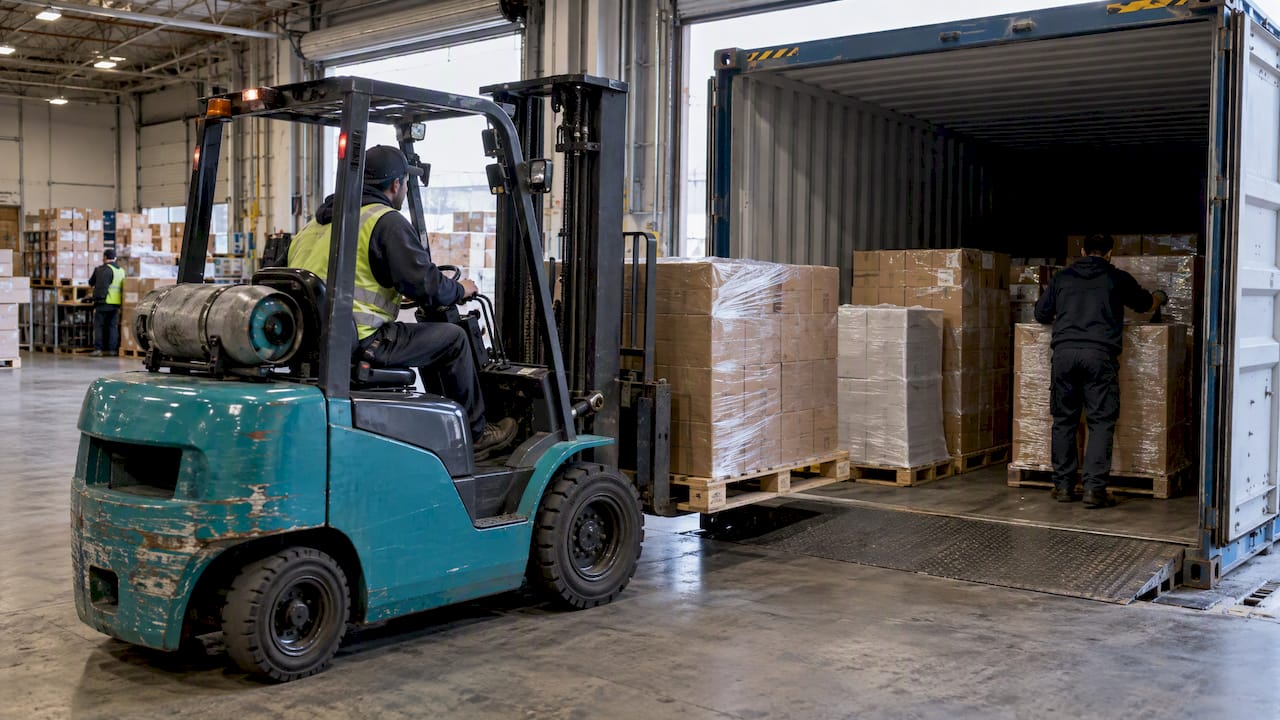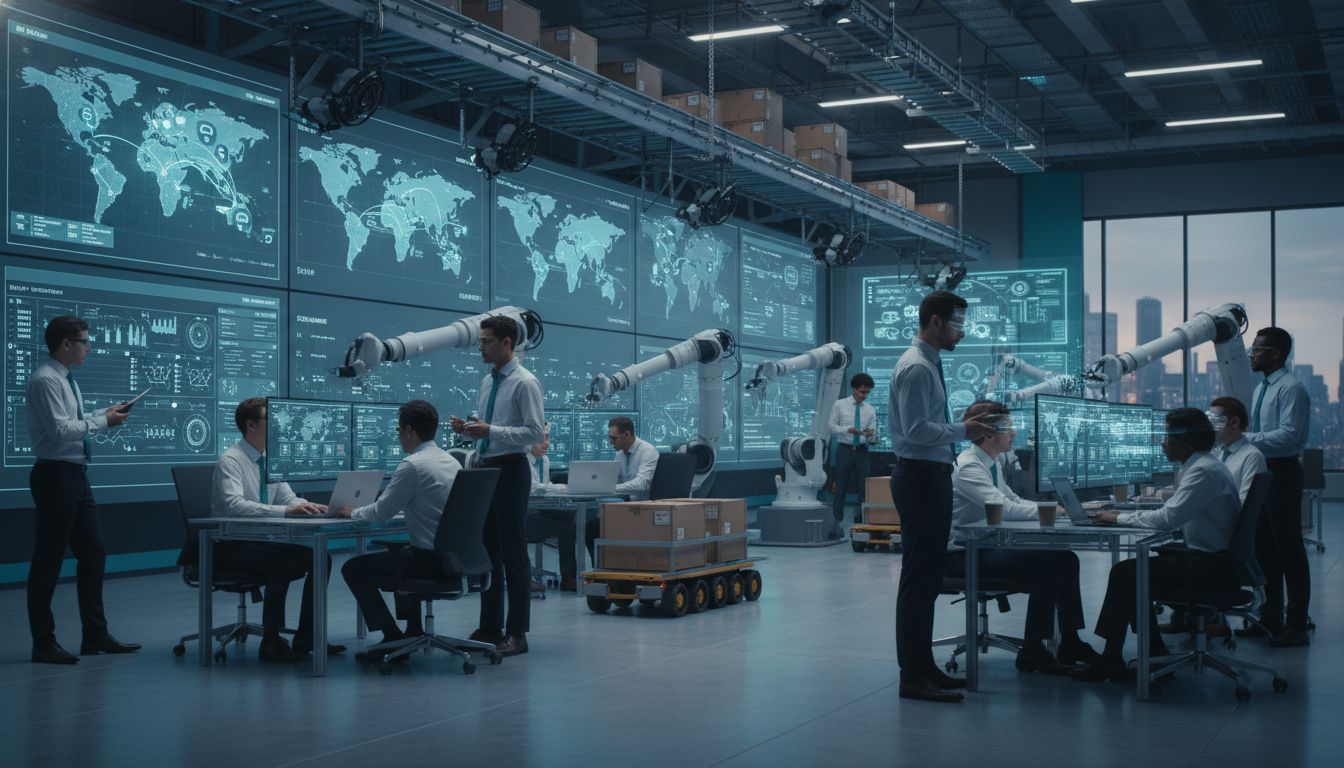
Competition for skilled supply chain professionals has never been fiercer. With the semiconductor industry needing an estimated 300,000 more workers just to complete current projects, businesses face rising pressure to find talent ready for advanced logistics, automation, and digital transformation. This growing gap impacts not only manufacturing but ripples across industries from technology to transportation. Discover why understanding the roots and realities of the supply chain talent shortage is now critical for leaders determined to secure their company’s future.
Table of Contents
- Defining The Supply Chain Talent Shortage
- Key Skills And Roles In Demand
- Primary Causes And Industry Drivers
- Impact On Logistics And Ecommerce
- Strategies To Address Talent Gaps
- Future Trends For Workforce Development
Key Takeaways
| Point | Details |
|---|---|
| Talent Shortage Challenge | The supply chain industry faces a critical talent shortage due to a skills gap, exacerbated by technological disruption and demographic shifts. |
| In-Demand Skills | Key skills such as automation expertise, risk mitigation, and data analytics are increasingly required for modern supply chain roles. |
| Strategic Workforce Development | Organizations must adopt proactive strategies including upskilling, partnerships with educational institutions, and competitive compensation to attract and retain talent. |
| Future Workforce Trends | Emerging technologies and personalized learning will reshape workforce development, necessitating collaboration between industry and education sectors to meet evolving demands. |
Defining the Supply Chain Talent Shortage
The supply chain talent shortage represents a complex and escalating challenge threatening global logistics and manufacturing infrastructure. At its core, this phenomenon describes a critical skills gap where industries struggle to find qualified professionals capable of managing increasingly sophisticated supply chain operations.
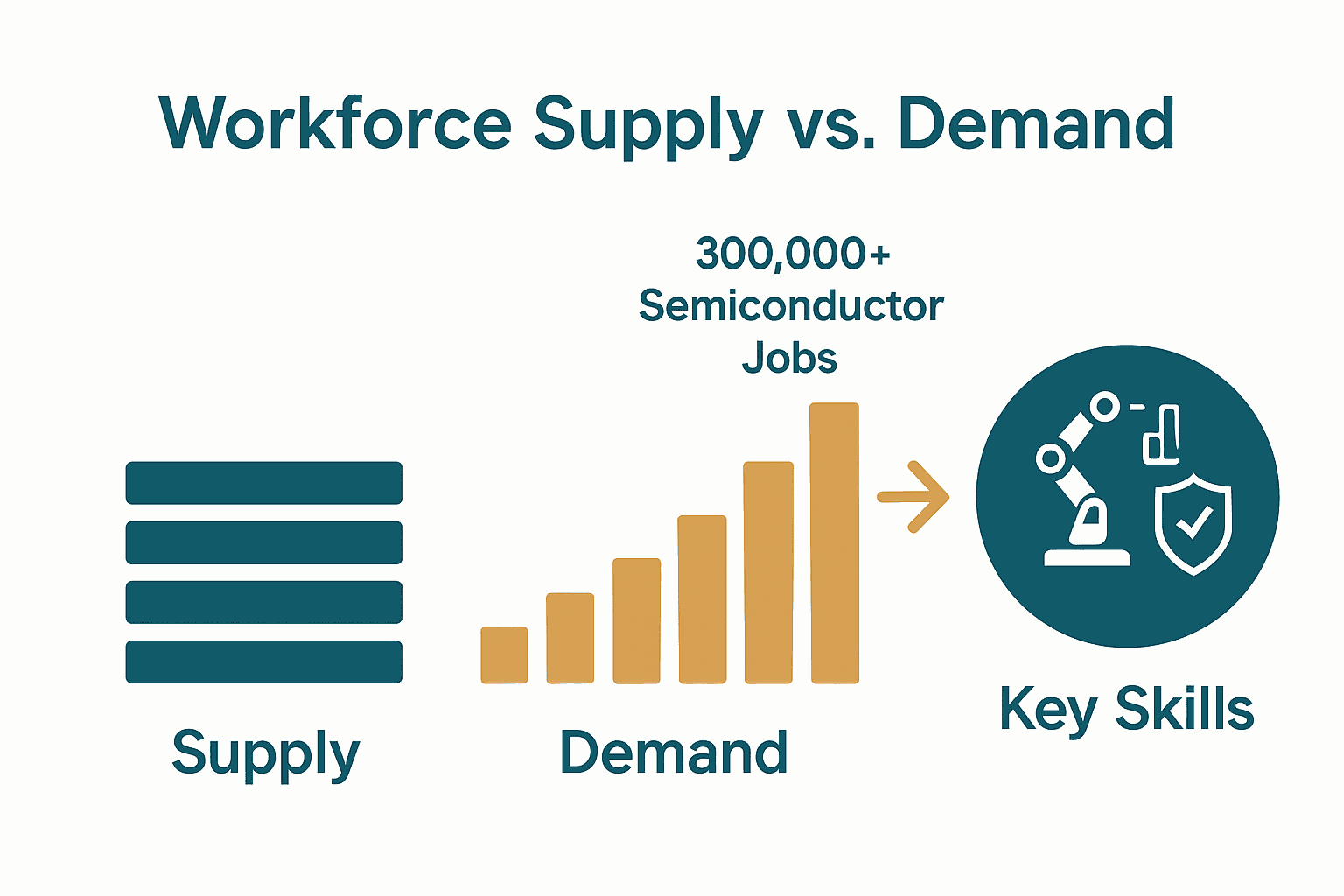
According to research from en.wikipedia.org, the semiconductor industry alone estimates a need for 300,000 additional skilled workers to complete ongoing fabrication projects. This staggering number underscores the depth of workforce challenges facing modern supply chains. The shortage isn’t limited to a single sector but spans multiple industries, including technology, manufacturing, logistics, and transportation.
The root causes of this talent shortage are multifaceted. Technological disruption, rapid digital transformation, and evolving skill requirements have created a significant disconnect between traditional workforce training and current industry needs. arxiv.org highlights emerging solutions like Industry 4.0 paradigms, including automation and augmented reality, as potential strategies to address workforce development challenges.
Key characteristics of the supply chain talent shortage include:
- Aging workforce demographics
- Limited technical and digital skills among potential candidates
- Insufficient training and educational programs aligned with industry requirements
- Growing complexity of global supply chain management
- Rapid technological advancements outpacing traditional workforce development
Understanding these dynamics is crucial for organizations seeking to mitigate workforce gaps and maintain competitive operational capabilities in an increasingly complex global marketplace.
Key Skills and Roles in Demand
The evolving supply chain landscape demands a new breed of professionals equipped with advanced technical and strategic capabilities. Digital transformation and technological complexity have reshaped traditional job requirements, creating a dynamic skills ecosystem that goes far beyond conventional logistics and operational management.
Scoperecruiting.com highlights the critical importance of automation expertise, noting that professionals skilled in implementing and maintaining systems like Automated Storage and Retrieval Systems (AS/RS) and robotics programming are increasingly valuable. These specialists help organizations enhance operational efficiency and reduce labor costs by integrating sophisticated technological solutions.
Edstellar.com emphasizes the growing significance of risk mitigation skills, particularly in developing contingency plans and utilizing scenario planning techniques. Supply chain managers who can anticipate and navigate potential disruptions are becoming essential to organizational resilience.
Key in-demand skills and roles include:
- Automation and Robotics Specialists
- Data Analytics Professionals
- Digital Supply Chain Architects
- Cybersecurity Experts
- AI and Machine Learning Integration Managers
- Sustainable Supply Chain Strategists
- Global Logistics Risk Managers
Professionals who can blend technological proficiency with strategic thinking will be most successful in addressing the complex challenges of modern supply chain management. Organizations are increasingly seeking multidisciplinary talents who understand both technological implementation and holistic business strategy.
Primary Causes and Industry Drivers
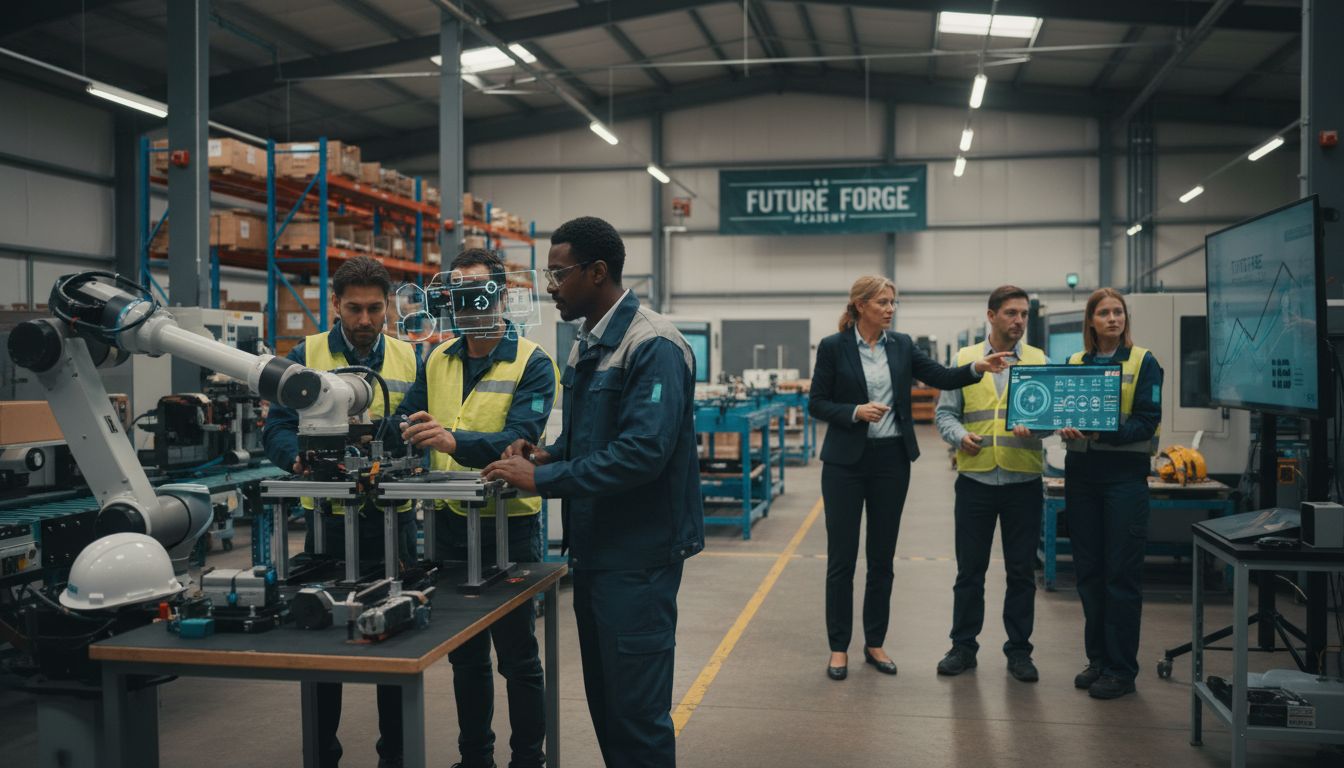
The supply chain talent shortage is not a singular phenomenon but a complex intersection of multiple economic, technological, and demographic forces. Rapid technological transformation has fundamentally reshaped workforce requirements, creating a significant disconnect between existing skill sets and emerging industry needs.
Arxiv.org highlights the profound impact of global disruptions, particularly the COVID-19 pandemic, which exposed critical vulnerabilities in supply chain infrastructure. These unprecedented challenges triggered massive shifts in labor dynamics, material procurement, and trade regulations, accelerating the need for adaptive and resilient workforce strategies.
En.wikipedia.org emphasizes the critical role of supply chain risk management in addressing talent shortages. Organizations are increasingly recognizing that proactive risk identification and mitigation strategies are essential for maintaining operational continuity and developing robust workforce ecosystems.
Key industry drivers contributing to the talent shortage include:
- Accelerated digital transformation
- Aging workforce demographics
- Rapid technological obsolescence
- Global economic uncertainties
- Increasing complexity of supply chain technologies
- Limited specialized training programs
- Competitive recruitment landscape
Understanding these interconnected drivers is crucial for developing comprehensive strategies to attract, develop, and retain skilled supply chain professionals in an increasingly dynamic global marketplace.
Impact on Logistics and Ecommerce
The supply chain talent shortage is dramatically reshaping the logistics and ecommerce landscape, creating unprecedented challenges and opportunities for businesses striving to maintain competitive advantage. Digital transformation has accelerated the need for sophisticated workforce capabilities that can navigate increasingly complex technological ecosystems.
Scoperecruiting.com highlights the critical impact of automation technologies in addressing escalating e-commerce volumes. The surge in customer expectations for rapid delivery has compelled supply chains to integrate advanced systems like Automated Storage and Retrieval Systems (AS/RS) and robotic technologies, requiring professionals who can seamlessly implement and optimize these complex technological infrastructures.
Edstellar.com emphasizes the growing vulnerability of supply chains to multiple disruption vectors, underscoring the essential nature of risk mitigation skills in maintaining operational continuity. Managers who can develop robust contingency plans and leverage scenario planning techniques are becoming increasingly valuable in ensuring resilient logistics operations.
Key implications of the talent shortage on logistics and ecommerce include:
- Increased automation and technological integration
- Higher operational complexity
- Extended recruitment and training cycles
- Elevated technology investment requirements
- More competitive talent acquisition strategies
- Greater emphasis on continuous skills development
- Potential service delivery constraints
Businesses must proactively address these challenges by developing comprehensive talent strategies that blend technological proficiency with strategic thinking. Navigating the Future: Logistics and E-commerce in a Rapidly Changing World offers deeper insights into adapting to these transformative workforce dynamics.
Strategies to Address Talent Gaps
Addressing supply chain talent gaps requires a multifaceted approach that combines innovative workforce development strategies with technological integration. Proactive talent management has become a critical imperative for organizations seeking to maintain competitive advantage in an increasingly complex global marketplace.
Arxiv.org highlights the transformative potential of Industry 4.0 paradigms, particularly the use of automation and augmented reality technologies to enhance workforce development. These advanced technologies not only optimize manufacturing processes but also make workplace environments more attractive to emerging talent, creating a sustainable approach to talent attraction and retention.
En.wikipedia.org emphasizes the critical need for comprehensive workforce development initiatives, particularly in sectors facing acute talent shortages. The semiconductor industry’s estimated requirement of 300,000 additional skilled workers underscores the urgency of developing strategic talent acquisition and training programs.
Key strategies for addressing talent gaps include:
- Implementing robust upskilling and reskilling programs
- Developing partnerships with educational institutions
- Creating attractive internship and apprenticeship opportunities
- Leveraging advanced training technologies
- Offering competitive compensation and career development paths
- Embracing diversity and inclusive recruitment practices
- Investing in continuous learning platforms
Successful talent gap strategies require a holistic approach that combines technological innovation, strategic workforce planning, and a commitment to ongoing professional development.
 Organizations must view talent acquisition as a long-term investment in their operational capability and future competitiveness.
Future Trends for Workforce Development
The landscape of workforce development is undergoing a radical transformation, driven by technological innovation and the urgent need to address critical talent shortages across multiple industries. Digital skills integration has become the cornerstone of future talent strategies, requiring organizations to reimagine traditional approaches to recruitment, training, and professional development.
Arxiv.org highlights the pivotal role of Industry 4.0 paradigms in shaping workforce development strategies. Emerging technologies like automation and augmented reality are not just tools for optimization but critical mechanisms for making workplace environments more attractive and adaptable to next-generation talent. These technologies promise to complement human capabilities, creating more dynamic and engaging professional ecosystems.
En.wikipedia.org underscores the urgent need for comprehensive workforce development initiatives, particularly in sectors facing acute talent shortages. The semiconductor industry’s projection of requiring 300,000 additional skilled workers illuminates the critical importance of forward-thinking talent pipeline strategies.
Key future trends in workforce development include:
- Increased emphasis on AI and machine learning skills
- Hybrid learning and development platforms
- Personalized skill acquisition pathways
- Greater focus on adaptability and continuous learning
- Expansion of remote and distributed training models
- Integration of immersive learning technologies
- Micro-credentialing and modular skill certification
Successful workforce development will demand unprecedented collaboration between educational institutions, industry leaders, and technology innovators. Organizations must cultivate agile learning environments that can rapidly respond to evolving technological and market demands.
Bridge the Supply Chain Talent Gap with Reliable Courier Services and Smart Logistics Solutions
The struggle to find skilled supply chain professionals and keep pace with rapid technological shifts can feel overwhelming. Aging workforces and the urgent need for automation expertise or risk mitigation skills make managing logistics more complex than ever. Businesses face longer recruitment cycles and rising operational challenges that threaten seamless ecommerce growth.
Take control today by partnering with trusted logistics experts who understand these industry pain points. At Or-Ner, we offer a fully integrated platform designed specifically for ecommerce sellers and businesses navigating complex supply chains. Benefit from reliable courier services, real-time shipment tracking, and global warehousing that reduce your reliance on scarce in-house talent while keeping your operations agile.
Explore how our end-to-end solutions support your supply chain needs with precision and speed. Visit Or-Ner fulfillment and logistics and discover how to transform challenges into opportunities with intelligent, scalable workflows. Don’t wait for talent shortages to slow your business down. Act now and secure your competitive edge with Or-Ner.
Frequently Asked Questions
What is the supply chain talent shortage?
The supply chain talent shortage refers to a critical skills gap where industries struggle to find qualified professionals to manage complex supply chain operations. It affects various sectors, including technology, manufacturing, logistics, and transportation.
What are the primary causes of the supply chain talent shortage?
Key causes include rapid technological transformation, aging workforce demographics, limited specialized training programs, global economic uncertainties, and increasing complexity of supply chain technologies.
What skills are in demand in the supply chain industry?
In-demand skills include expertise in automation, data analytics, risk mitigation, digital supply chain architecture, cybersecurity, AI, and sustainable supply chain strategies, reflecting the evolving landscape of supply chain management.
What strategies can organizations implement to address supply chain talent gaps?
Organizations can address talent gaps by implementing upskilling programs, partnering with educational institutions, creating apprenticeship opportunities, leveraging advanced training technologies, and fostering diversity in recruitment practices.