

More than 80 percent of American shoppers say free shipping strongly influences their choice when buying online. In a marketplace where even small shipping fees can shift purchasing decisions, understanding the difference between free and paid shipping is essential for any business owner. This guide unpacks how each shipping strategy shapes customer behavior and impacts your bottom line, helping you make smarter decisions in today’s competitive ecommerce environment.
Table of Contents
- Free Shipping Vs Paid Shipping Defined
- Types Of Shipping Models In Ecommerce
- How Free Shipping Affects Buyer Behavior
- Paid Shipping Strategies And Implementation
- Profit Margins, Costs, And Decision Factors
- When To Offer Free, Paid, Or Hybrid Shipping
Key Takeaways
| Point | Details |
|---|---|
| Free Shipping Benefits | Free shipping increases conversion rates and customer loyalty by reducing perceived costs and purchase friction. |
| Paid Shipping Optimization | Paid shipping strategies should be tailored to specific product categories and market conditions to maintain profitability. |
| Hybrid Shipping Models | Businesses can benefit from hybrid approaches that combine free and paid shipping to align customer preferences with operational efficiency. |
| Continuous Evaluation | Regularly analyze shipping costs and customer feedback to adjust shipping strategies for optimal business performance. |
Free Shipping vs Paid Shipping Defined
In the competitive world of ecommerce, shipping strategies play a critical role in attracting and retaining customers. Free shipping and paid shipping represent two fundamental approaches that dramatically impact consumer purchasing decisions and business profitability. Understanding the nuanced differences between these shipping models can help online retailers optimize their logistics and sales strategies.
The landscape of shipping options is complex, with varying models emerging to meet diverse business needs. Research from Harvard Business School explores different shipping policies, revealing how shipping strategies directly influence consumer behavior. Free shipping typically means the seller absorbs the entire shipping cost, while paid shipping requires customers to cover all or part of the transportation expenses.
Key characteristics of these shipping approaches include:
-
Free Shipping
- Eliminates additional costs for customers
- Often increases average order value
- Can be unconditional or set with minimum purchase thresholds
-
Paid Shipping
- Transfers transportation costs to the customer
- Provides more transparent pricing for individual products
- Allows businesses to maintain tighter profit margins
Comprehensive shipping strategy research indicates that businesses can implement hybrid models, such as conditional free shipping or flat-rate shipping, to balance customer attraction and operational costs. These approaches provide flexibility in addressing both consumer preferences and business financial requirements.
Pro Tip – Shipping Strategy Optimization: Conduct periodic analysis of your shipping costs and customer purchasing patterns to dynamically adjust your shipping model, ensuring you balance customer satisfaction with sustainable business economics.
Types of Shipping Models in Ecommerce
Ecommerce shipping models have evolved significantly, offering businesses multiple strategic approaches to manage product delivery and customer satisfaction. International logistics research reveals diverse operational frameworks that enable companies to customize their shipping strategies according to specific business requirements and market demands.
The primary shipping models in ecommerce can be categorized into four distinct approaches:
-
In-House Shipping
- Complete control over logistics
- Direct management of packaging and delivery
- Higher upfront infrastructure investment
-
Dropshipping
- Minimal inventory management
- Suppliers handle product storage and shipping
- Lower initial capital requirements
-
Third-Party Logistics (3PL)
- Outsourced shipping and fulfillment
- Professional logistics management
- Scalable solution for growing businesses
-
Hybrid Shipping
- Combination of multiple shipping strategies
- Flexible approach adapting to business needs
- Balances control and operational efficiency
Order fulfillment strategies from comprehensive business research demonstrate that successful ecommerce operations require careful selection of shipping models tailored to specific organizational capabilities and market positioning.
Here’s a quick comparison of key shipping models and their ideal business scenarios:
| Shipping Model | Ideal For | Main Business Benefits |
|---|---|---|
| In-House Shipping | Large-scale operations | Full control over logistics |
| Dropshipping | Startups, low capital | Minimized inventory risk |
| Third-Party Logistics (3PL) | Rapidly scaling businesses | Professional fulfillment |
| Hybrid Shipping | Diverse product portfolios | Flexible, adaptive approach |
Pro Tip – Strategic Shipping Selection: Continuously evaluate your shipping model’s performance by tracking key metrics like delivery speed, customer satisfaction, and total logistics costs to ensure optimal operational efficiency.
How Free Shipping Affects Buyer Behavior
Consumer psychology plays a pivotal role in online purchasing decisions, with shipping costs emerging as a critical factor that dramatically influences buying behavior. Comprehensive research from the Wharton School reveals intricate insights into how free shipping transforms consumer purchasing patterns, demonstrating its powerful impact on e-commerce conversion rates.
The psychological dynamics of free shipping are complex and multifaceted. Consumers perceive free shipping as an added value proposition that reduces the overall purchase friction. Key behavioral changes include:
-
Increased Purchase Likelihood
- Reduces perceived financial risk
- Lowers psychological barriers to completing transactions
- Creates a sense of cost transparency
-
Cart Abandonment Reduction
- Minimizes unexpected additional costs
- Prevents last-minute purchase hesitation
- Improves overall shopping experience
Industry surveys from the Promotional Products Association International highlight that free shipping significantly influences consumer purchase decisions, with a majority of online shoppers considering it a fundamental expectation rather than a bonus. This shift demonstrates how free shipping has transformed from a marketing strategy to a customer experience standard.

Interestingly, the impact extends beyond immediate transaction completion. Free shipping can increase average order value, encourage repeat purchases, and build long-term customer loyalty by creating positive emotional associations with the shopping experience.
Pro Tip – Strategic Free Shipping Implementation: Calculate your free shipping threshold carefully by analyzing your product margins and average order value to ensure you’re offering free shipping in a financially sustainable manner.
Paid Shipping Strategies and Implementation
Navigating paid shipping strategies requires a sophisticated approach that balances operational costs, customer expectations, and competitive positioning. Comprehensive research from the Retailing Summit explores nuanced shipping rate methodologies that enable businesses to design financially sustainable shipping models while maintaining customer satisfaction.
Effective paid shipping strategies encompass multiple sophisticated approaches:
-
Threshold-Based Pricing
- Set minimum purchase amounts for reduced shipping rates
- Incentivize larger order quantities
- Create clear customer value proposition
-
Tiered Shipping Rates
- Offer multiple shipping speed options
- Provide pricing transparency
- Allow customer choice and flexibility
-
Product-Specific Shipping
- Customize rates based on product weight
- Implement zone-based pricing
- Reflect actual transportation costs
Strategic pricing research highlights methods for integrating shipping costs while maintaining profitability, demonstrating that intelligent pricing strategies can offset shipping expenses. Businesses can effectively manage costs by building shipping expenses into product pricing or offering targeted promotional shipping rates.
Successful implementation requires continuous analysis of shipping expenses, customer purchasing patterns, and market competitive dynamics. This approach ensures that paid shipping strategies remain flexible and responsive to changing market conditions.
Pro Tip – Strategic Cost Management: Regularly audit your shipping expenses and adjust your pricing model to maintain a balance between competitive rates and sustainable profit margins.
Profit Margins, Costs, and Decision Factors
Shipping strategies represent a complex financial calculation that directly impacts an organization’s bottom line and competitive positioning. Extensive research from the Harvard Business School reveals intricate relationships between shipping policies and profit margin optimization, demonstrating the nuanced economic considerations businesses must navigate.
Key decision factors for shipping cost management include:
-
Direct Cost Analysis
- Calculate actual transportation expenses
- Factor in packaging materials
- Include labor costs for shipping preparation
-
Indirect Cost Considerations
- Potential customer acquisition impact
- Conversion rate influences
- Long-term customer retention value
-
Pricing Strategy Implications
- Absorbing shipping costs into product pricing
- Creating competitive pricing structures
- Balancing customer expectations with financial sustainability
Marketing research from the American Marketing Association suggests innovative approaches like membership-based shipping models that can help businesses recover shipping expenses while maintaining customer satisfaction. This approach transforms shipping from a cost center to a potential revenue stream.

Successful profit margin management requires continuous monitoring and dynamic adjustment of shipping strategies. Businesses must remain agile, regularly analyzing the complex interplay between shipping costs, product pricing, and customer perceived value.
Pro Tip – Financial Shipping Optimization: Develop a comprehensive spreadsheet that tracks all shipping-related expenses and revenue impacts, enabling data-driven decisions about your shipping strategy.
When to Offer Free, Paid, or Hybrid Shipping
Selecting the optimal shipping strategy requires a nuanced understanding of business dynamics, customer expectations, and financial constraints. Comprehensive research from regional economic development organizations provides strategic guidance on shipping model selection, revealing critical decision-making factors for ecommerce businesses.
Decision factors for shipping model selection include:
-
Free Shipping Scenarios
- High-margin product lines
- Competitive markets with customer price sensitivity
- Target demographics with disposable income
- Seasonal promotional campaigns
-
Paid Shipping Scenarios
- Low-margin product categories
- Niche markets with specialized products
- Limited competition
- Products with high individual transportation costs
-
Hybrid Shipping Scenarios
- Mixed product portfolios
- Flexible purchasing options
- Tiered pricing structures
- Customer-driven shipping preferences
Strategic business research underscores the importance of analyzing customer behavior and market positioning when determining shipping approaches. Successful implementation requires continuous monitoring and adaptive strategies that align with evolving consumer expectations and business performance metrics.
The most effective shipping models integrate multiple considerations, including product characteristics, target market demographics, operational costs, and competitive landscape. Businesses must remain flexible, regularly reassessing their shipping strategies to maintain optimal customer satisfaction and financial performance.
This table summarizes when to offer different shipping strategies based on business conditions:
| Shipping Strategy | Best Used When | Key Customer Impact |
|---|---|---|
| Free Shipping | High margins, high competition | Higher conversion, loyalty boost |
| Paid Shipping | Low margins, niche products | Maintains profitability |
| Hybrid (Conditional/Flat) | Mixed product lines, promotions | Balances cost and flexibility |
Pro Tip – Shipping Strategy Optimization: Develop a quarterly review process that analyzes shipping costs, customer feedback, and conversion rates to dynamically adjust your shipping approach for maximum effectiveness.
Master Your Ecommerce Shipping Strategy with Reliable Courier Services
The article highlights the crucial challenge ecommerce sellers face balancing free shipping to boost customer loyalty and paid shipping to protect profit margins. If you want to optimize your shipping models — whether leveraging threshold-based pricing, hybrid options, or meeting consumer expectations for transparency — mastering logistics execution is key. Complexities like customs clearance, real-time shipment tracking, and multi-modal transport can make or break your ability to deliver on free or paid shipping promises.
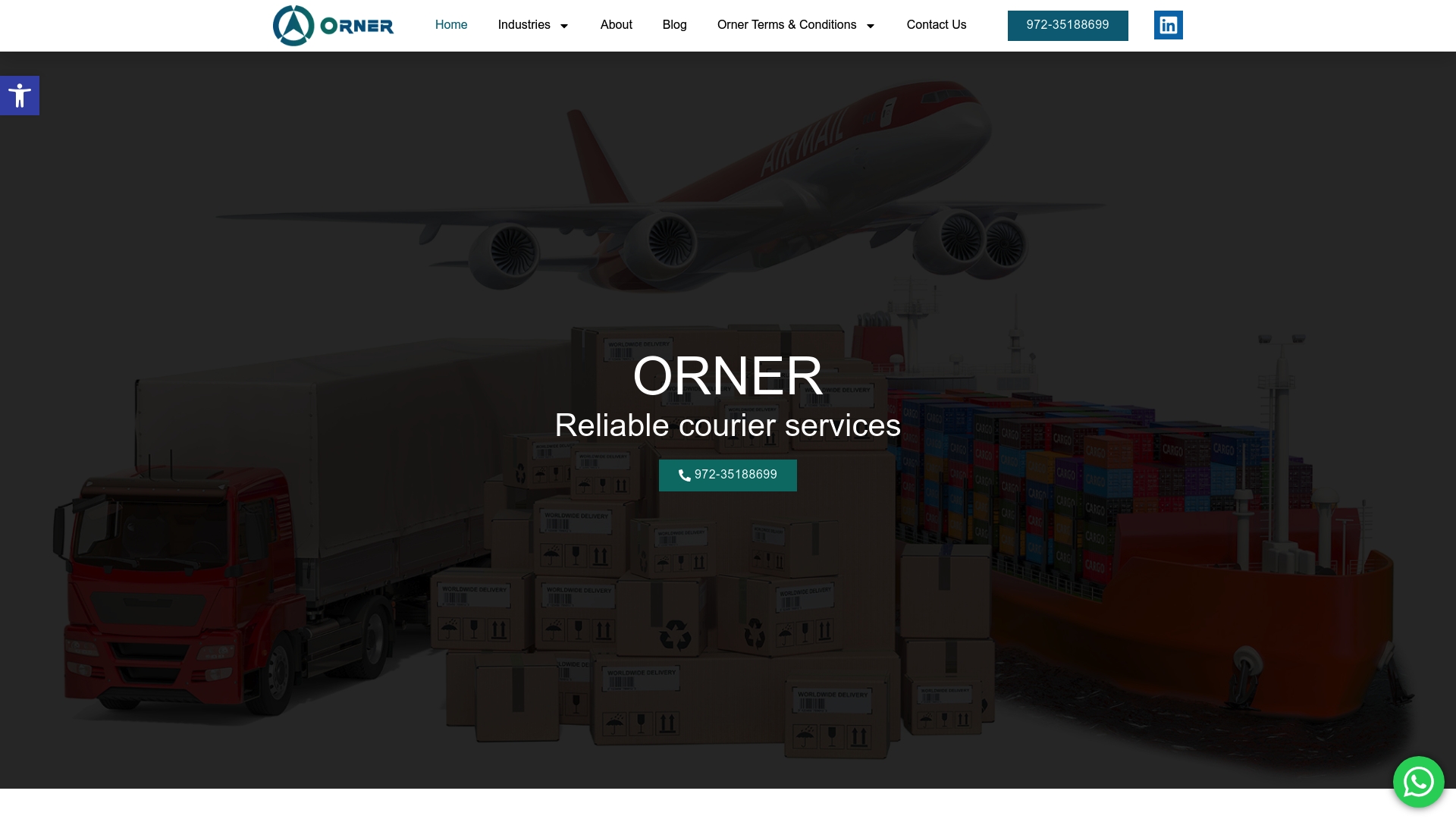
Take control of your ecommerce shipping strategy today by partnering with Reliable Courier Services tailored for online sellers. With seamless freight booking, integrated inventory management, and scalable cross-border logistics solutions, or-ner.com empowers you to reduce shipping friction and increase buyer conversion with confidence. Visit or-ner.com now to explore how industry-specific logistics solutions will transform your fulfillment workflows and unlock growth through smarter shipping choices.
Frequently Asked Questions
What are the main differences between free shipping and paid shipping?
Free shipping means the seller absorbs the shipping costs, while paid shipping requires customers to cover these expenses. Free shipping can increase average order value, whereas paid shipping provides clearer pricing for individual products, allowing for potentially higher profit margins.
How does free shipping influence consumer purchasing behavior?
Free shipping eliminates additional costs for customers, which reduces financial risk and lowers barriers to completing purchases. It can lead to higher conversion rates, reduced cart abandonment, and increased average order value due to consumer perception of added value.
What are some effective paid shipping strategies that businesses can implement?
Businesses can use threshold-based pricing, where minimum purchase amounts lead to reduced shipping rates, tiered shipping rates with options for different speeds, and product-specific shipping rates that reflect the actual transportation costs based on product weight.
When should ecommerce businesses consider offering a hybrid shipping strategy?
Hybrid shipping strategies are ideal for businesses with mixed product portfolios, seasonal promotions, and diverse customer shipping preferences. This approach allows flexibility and can balance costs while providing customers with options that enhance their shopping experience.