

Nearly 85 percent of american logistics companies now use predictive analytics to sharpen their competitive edge. As technology reshapes the way goods move across the country, new data-driven strategies are making a big difference in efficiency and cost control. Understanding how predictive analytics works in logistics can help any american business get ahead by improving delivery times, managing inventory smarter, and reducing surprises along the supply chain.
Table of Contents
- What Is Predictive Analytics in Logistics?
- Types of Predictive Analytics Methods Used
- How Predictive Analytics Transforms Logistics
- Common Applications Across Supply Chains
- Key Challenges and Implementation Risks
Key Takeaways
| Point | Details |
|---|---|
| Importance of Predictive Analytics | Predictive analytics transforms raw data into strategic insights, enabling proactive decision-making in logistics situations. |
| Core Methods Employed | Key methodologies include regression analysis and machine learning algorithms, which help in forecasting and optimizing logistics operations. |
| Transformative Impacts | Predictive analytics enhances route optimization, demand forecasting, and operational efficiency while promoting sustainability in logistics. |
| Implementation Challenges | Effective deployment requires addressing data quality, technological complexity, and organizational readiness to leverage predictive capabilities successfully. |
What Is Predictive Analytics in Logistics?
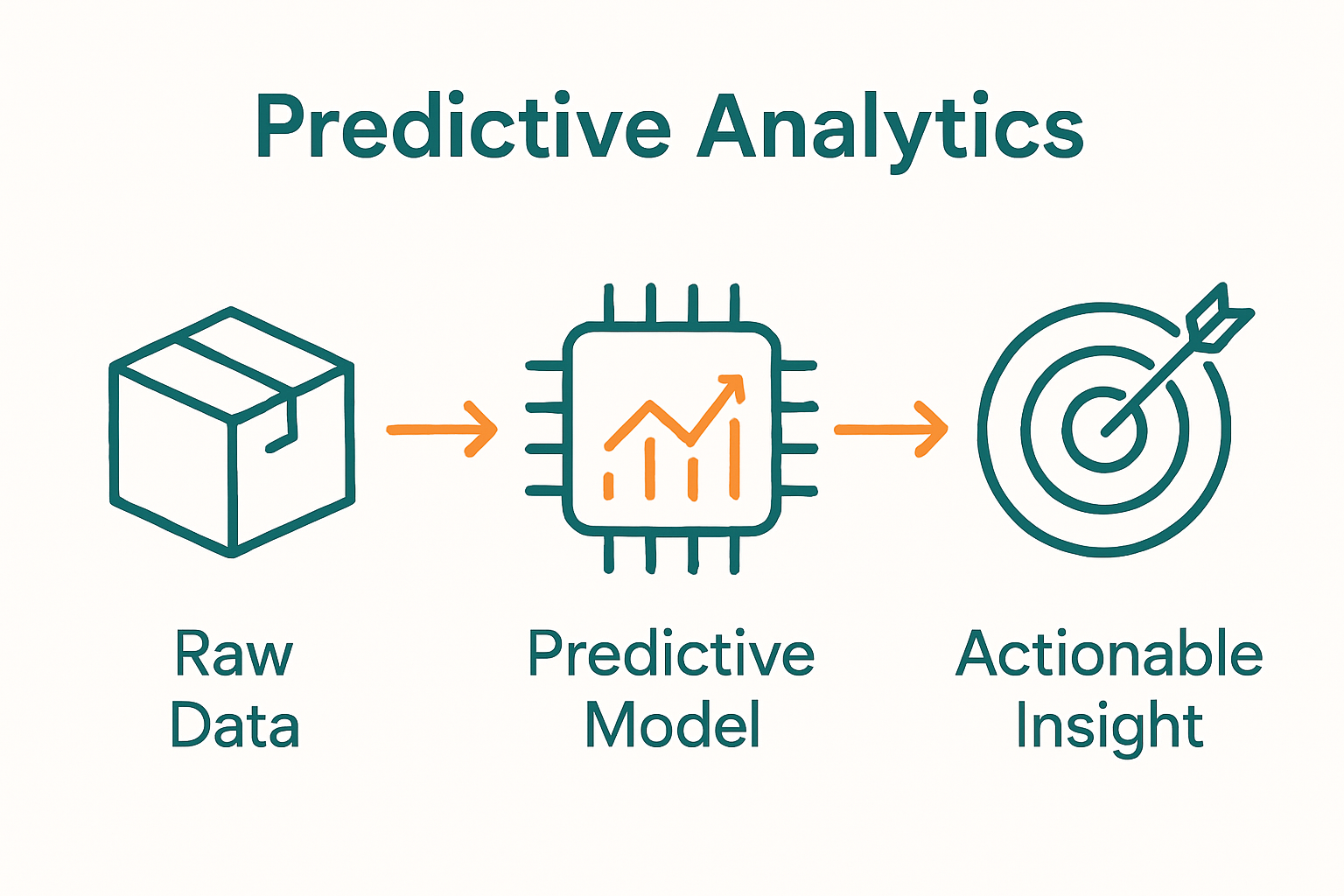
Predictive analytics represents a sophisticated data-driven approach that transforms raw logistics information into actionable strategic insights. By leveraging advanced statistical algorithms and machine learning techniques, businesses can now anticipate future logistics challenges and opportunities with remarkable precision.
At its core, predictive analytics in logistics involves systematically analyzing historical data to forecast potential future scenarios. Predictive analytics techniques help logistics professionals move beyond reactive strategies, enabling proactive decision making across complex supply chain environments. These sophisticated methods integrate multiple data sources to generate nuanced predictions about demand, transportation routes, inventory levels, and potential operational disruptions.
The fundamental mechanics of predictive analytics in logistics involve several critical components:
- Data Collection: Aggregating information from shipping records, inventory systems, customer interactions, and external market signals
- Statistical Modeling: Applying machine learning algorithms to identify patterns and trends within collected datasets
- Forecasting: Generating probabilistic predictions about future logistics performance and potential challenges
- Optimization: Recommending strategic interventions based on predictive insights
By transforming raw data into strategic foresight, predictive analytics empowers logistics managers to make more informed decisions. Whether anticipating seasonal demand fluctuations, optimizing warehouse inventory, or predicting potential shipping bottlenecks, these analytical tools provide a competitive edge in an increasingly complex global marketplace.
Types of Predictive Analytics Methods Used
Predictive analytics encompasses a diverse range of sophisticated methodologies that transform complex logistics data into actionable insights. Statistical and machine learning techniques serve as the primary tools for extracting meaningful predictions from historical information, enabling logistics professionals to anticipate future trends and challenges.
The landscape of predictive analytics methods is characterized by several core approaches. Statistical techniques form the foundation, with methods like regression analysis and time series modeling providing structured frameworks for understanding data patterns. Machine learning algorithms elevate these capabilities by introducing more advanced predictive capabilities through intelligent pattern recognition and adaptive learning.
Key predictive analytics methods in logistics include:
- Regression Analysis
- Linear regression for linear relationship prediction
- Logistic regression for binary outcome forecasting
- Machine Learning Algorithms
- Decision trees for classification and segmentation
- Random forests for complex pattern identification
- Support vector machines for high-dimensional data analysis
- Clustering Techniques
- K-means clustering for customer and shipment segmentation
- Hierarchical clustering for nuanced data grouping
- Neural Network Models
- Deep learning for intricate pattern recognition
- Artificial neural networks for nonlinear prediction
These advanced methods enable logistics managers to move beyond traditional reactive strategies, providing unprecedented predictive capabilities that can transform operational efficiency and strategic planning.
How Predictive Analytics Transforms Logistics
Advanced predictive analytics technologies are fundamentally reshaping the landscape of modern logistics operations. By transforming raw data into strategic insights, these sophisticated approaches enable businesses to move beyond traditional reactive management towards proactive, intelligent decision making that anticipates challenges before they emerge.

The transformation occurs across multiple critical operational dimensions. AI-driven predictive models help logistics companies dramatically improve sustainability and operational efficiency by leveraging machine learning techniques that optimize travel routes, predict future delivery patterns, and reduce carbon emissions. These intelligent systems can analyze complex datasets to generate nuanced recommendations that human planners might overlook.
Key transformative impacts of predictive analytics in logistics include:
- Route Optimization
- Minimizing fuel consumption
- Reducing transportation times
- Identifying most efficient delivery paths
- Demand Forecasting
- Predicting inventory requirements
- Anticipating seasonal fluctuations
- Preventing stock shortages and overstock situations
- Operational Efficiency
- Automating complex decision-making processes
- Reducing operational costs
- Enhancing resource allocation strategies
- Sustainability Improvements
- Calculating and reducing carbon footprints
- Optimizing load planning
- Implementing eco-friendly logistics strategies
By integrating advanced deep learning approaches, logistics companies can create more resilient, adaptive operational frameworks that respond intelligently to dynamic market conditions. This technological evolution represents a fundamental shift from traditional logistics management towards a data-driven, predictive ecosystem that continuously learns and improves.
Common Applications Across Supply Chains
Predictive analytics technologies have revolutionized supply chain management by providing unprecedented insights and operational capabilities. Modern logistics professionals leverage these advanced analytical tools to transform complex data streams into actionable strategic intelligence, enabling more responsive and efficient supply chain operations.
Logistics predictive analytics applications span multiple critical operational domains, each designed to address specific challenges and optimize performance. By analyzing historical data and identifying intricate patterns, companies can develop proactive strategies that anticipate market dynamics, minimize risks, and maximize operational efficiency.
Key application areas of predictive analytics in supply chains include:
- Demand Forecasting
- Predicting customer purchasing behaviors
- Anticipating seasonal market fluctuations
- Aligning production with expected consumption
- Inventory Management
- Optimizing stock levels
- Reducing carrying costs
- Preventing stockouts and overstock situations
- Carrier Performance Analysis
- Evaluating shipping partner reliability
- Predicting potential delivery delays
- Identifying most efficient transportation routes
- Maintenance Prediction
- Forecasting equipment failure risks
- Scheduling proactive maintenance
- Minimizing unexpected operational disruptions
- Labor Resource Planning
- Predicting staffing requirements
- Optimizing workforce allocation
- Balancing workload across different operational units
By integrating sophisticated predictive models, supply chain managers can transform raw data into strategic insights, creating more adaptive, efficient, and resilient logistics ecosystems that respond dynamically to evolving market conditions.
Key Challenges and Implementation Risks
Predictive analytics in logistics represents a complex technological frontier fraught with significant implementation challenges. Organizations must navigate intricate technical, organizational, and data-related obstacles that can potentially undermine the effectiveness of their analytical strategies.
Adaptive algorithmic development emerges as a critical challenge in predictive logistics analytics. Sophisticated models must be capable of dynamically adjusting parameters to address the inherent complexities and unpredictable variables encountered in real-world transportation and supply chain environments. These adaptive systems require robust mechanisms for continuous learning and recalibration.
Key challenges in predictive analytics implementation include:
- Data Quality and Integration
- Inconsistent data sources
- Incomplete historical records
- Complex data standardization requirements
- Technological Complexity
- Advanced machine learning model development
- High computational infrastructure costs
- Complex algorithm training processes
- Trajectory Prediction Limitations
- Tracking movement patterns accurately
- Managing large volumes of tracking data
- Accounting for multiple environmental variables
- Organizational Readiness
- Skill gap in advanced analytics
- Resistance to technological change
- High initial implementation costs
- Predictive Model Reliability
- Managing uncertainty in forecasts
- Handling unexpected market disruptions
- Maintaining model accuracy over time
Successful predictive analytics implementation demands a strategic approach that balances technological sophistication with practical organizational capabilities. Companies must invest in continuous learning, robust data infrastructure, and adaptive technological frameworks to transform potential risks into competitive advantages.
Harness Predictive Analytics to Revolutionize Your Logistics Operations
The complex challenges highlighted in the article reveal how essential it is for businesses to anticipate demand fluctuations, optimize routes, and improve inventory management. These pain points can cause costly delays and inefficiencies if left unaddressed. With concepts like advanced machine learning algorithms and demand forecasting at the core, your logistics strategy needs reliable, data-driven solutions that deliver precision and scalability.
At or-ner.com, we understand that embracing predictive analytics is key to gaining a competitive edge. Our platform offers seamless integration of real-time shipment tracking, inventory management, and reliable courier services designed to streamline complex supply chains. Explore our comprehensive logistics solutions that empower ecommerce sellers and businesses to transform analytics insights into faster deliveries and smarter resource allocation.
Experience the difference of intelligent logistics today. Take control of your supply chain by partnering with us for scalable, data-backed courier and fulfillment services. Visit Reliable courier services now to unlock the full potential of prediction-driven logistics and boost your ecommerce success.
Frequently Asked Questions
What is predictive analytics in logistics?
Predictive analytics in logistics refers to the use of advanced statistical algorithms and machine learning techniques to analyze historical data and forecast future logistics challenges and opportunities. It empowers logistics managers to make proactive decisions by anticipating demand, transportation routes, and potential disruptions.
How does predictive analytics transform logistics operations?
Predictive analytics transforms logistics operations by enabling route optimization, improving demand forecasting, enhancing operational efficiency, and promoting sustainability. These technologies help companies anticipate challenges and make informed decisions based on actionable insights derived from data analysis.
What are the common applications of predictive analytics in supply chains?
Common applications of predictive analytics in supply chains include demand forecasting, inventory management, carrier performance analysis, maintenance prediction, and labor resource planning. These applications assist companies in optimizing performance and responding effectively to market dynamics.
What challenges are faced when implementing predictive analytics in logistics?
Challenges of implementing predictive analytics in logistics include data quality and integration issues, technological complexity, limitations in trajectory prediction, organizational readiness, and ensuring the reliability of predictive models. Companies must navigate these challenges to leverage the full potential of predictive analytics.