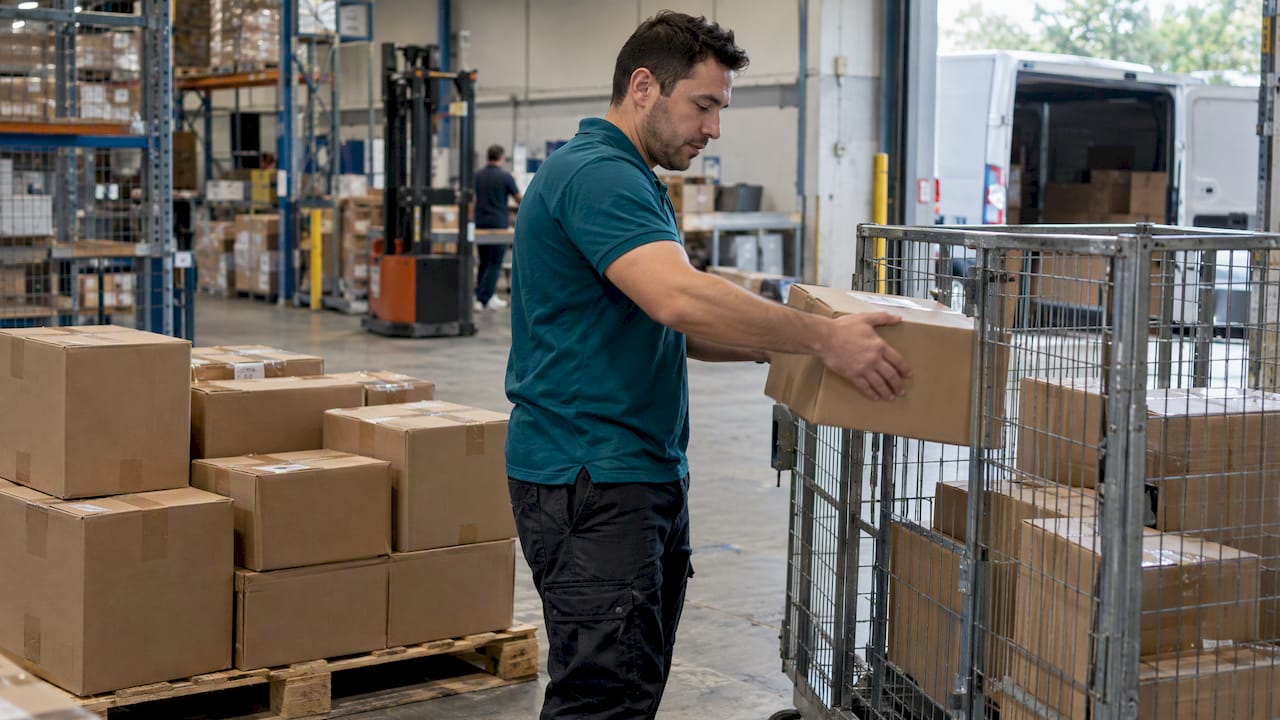
Shipping fragile items sounds straightforward but cracked glasses and shattered vases tell a different story. Nearly one in ten packages containing fragile goods arrive damaged every year. This happens not because of rough handling alone, but because most senders miss a few critical packaging steps that make all the difference.
Table of Contents
- Step 1: Evaluate Packaging Requirements For Fragile Items
- Step 2: Select Appropriate Packing Materials And Supplies
- Step 3: Properly Pack Fragile Items For Shipping
- Step 4: Label Packages Clearly With Handling Instructions
- Step 5: Choose Reliable Shipping Carriers And Methods
- Step 6: Verify Delivery Condition And Follow Up
Quick Summary
| Key Point | Explanation |
|---|---|
| 1. Evaluate Packaging Requirements First | Assess item characteristics like weight and material to choose suitable packaging. |
| 2. Select Appropriate Cushioning Materials | Use materials like bubble wrap that conform to item shapes for maximum protection. |
| 3. Properly Pack Items with Care | Individually wrap items and secure them to prevent movement and damage during shipping. |
| 4. Label Packages Clearly | Use bright, durable labels with handling instructions to communicate fragility effectively. |
| 5. Verify Delivery Condition Immediately | Inspect and document the package upon arrival to address any damage claims quickly. |
Step 1: Evaluate Packaging Requirements for Fragile Items
Successfully shipping fragile items requires strategic preparation before selecting a single packaging material. The initial evaluation phase determines whether your delicate goods will safely reach their destination intact or arrive as a costly collection of broken pieces. Understanding the specific packaging requirements means examining multiple critical factors that protect your shipment from potential transportation damage.
Begin by carefully assessing the physical characteristics of your fragile item. Weight, dimension, material composition, and structural integrity are paramount considerations. Glass objects, ceramic pieces, electronic components, and delicate artwork demand different protective strategies. A crystal wine glass requires vastly different packaging compared to a porcelain figurine or a sensitive electronic circuit board.
The United States Postal Service recommends selecting boxes with sufficient cushioning room and sturdy construction. Learn more about optimal shipping protection techniques that minimize potential transit damage. Corrugated fiberboard boxes with a minimum grade of 175 provide excellent protection for items weighing up to 10 pounds. Professionals suggest leaving approximately two inches of space around each item for padding materials like foam, bubble wrap, or specialized cushioning sheets.
Your packaging evaluation should also consider environmental factors during shipping. Temperature fluctuations, potential compression from other packages, and potential handling impacts all influence your packaging strategy. Fragile items shipped across long distances or through multiple transfer points require more robust protection compared to local, short-distance shipments. Discover advanced freight packaging insights to enhance your understanding of comprehensive shipping protection.
Key verification criteria for successful packaging evaluation include:
- Minimal movement when gently shaking the packed item
- Consistent cushioning around all sides and edges
- No direct contact between the item and box exterior
- Appropriate box size relative to item dimensions
By meticulously evaluating your fragile item’s unique packaging requirements, you dramatically increase the likelihood of safe, successful delivery.
Step 2: Select Appropriate Packing Materials and Supplies
Transitioning from understanding packaging requirements to actual material selection represents a critical moment in protecting fragile shipments. Choosing the right packing materials determines whether your delicate items survive transportation or arrive as damaged fragments. Professional shipping experts recognize that material selection goes far beyond simply grabbing the nearest box and some bubble wrap.
Cushioning materials form the backbone of effective fragile item protection. Bubble wrap, foam sheets, packing peanuts, and air pillows each serve unique protective functions depending on the item’s specific characteristics. Delicate electronic components might require anti-static bubble wrap, while ceramic figurines need dense foam padding that prevents microscopic movement during transit. Select cushioning materials that conform precisely to your item’s shape, creating a protective cocoon that absorbs potential impacts.
Learn about advanced shipping protection strategies to enhance your packaging approach. Professional shipping requires understanding material properties. Corrugated cardboard boxes with double or triple wall construction provide superior strength for heavier fragile items. Specialty shipping containers like wooden crates or reinforced containers might become necessary for extremely delicate or valuable objects that cannot risk standard packaging methods.
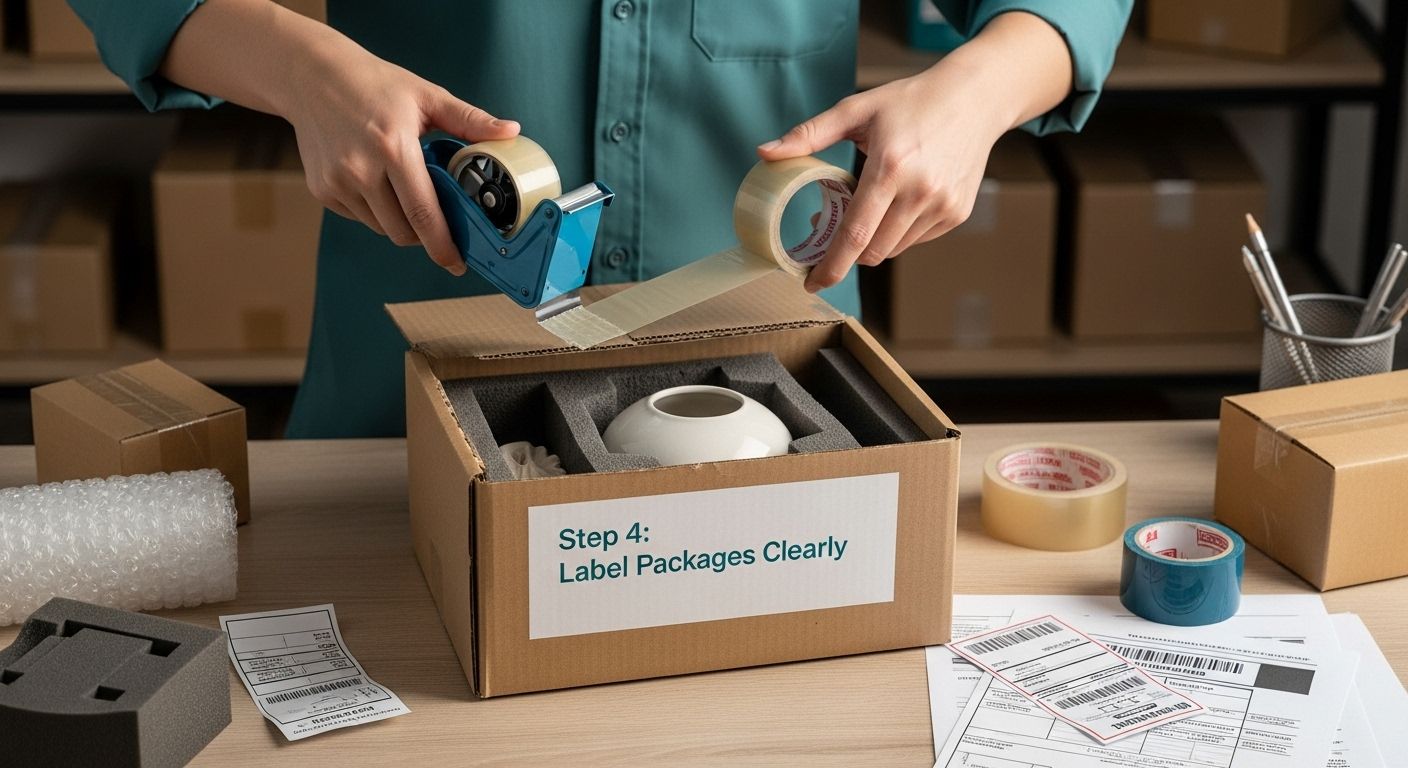
Selecting appropriate sealing materials completes your protective strategy. High-quality packing tape with strong adhesive properties ensures box integrity during shipping. Avoid using household tape or weak adhesive materials that might fail under transportation stress. Consider using multiple tape strips across box seams and corners to distribute potential pressure points.
Key verification criteria for successful material selection include:
- No visible gaps in cushioning around the item
- Secure box closure without potential for accidental opening
- Minimal item movement when gently shaken
- Appropriate cushioning thickness relative to item fragility
By methodically selecting materials that match your specific fragile item’s requirements, you dramatically increase the probability of safe, successful delivery.
Step 3: Properly Pack Fragile Items for Shipping
Packing fragile items demands precision, patience, and a strategic approach that transforms seemingly vulnerable objects into resilient shipment candidates. The goal transcends merely placing an item in a box—it requires creating a protective ecosystem that shields against potential transportation hazards. Professional shippers understand that proper packing is an art form combining technical skill and meticulous attention to detail.
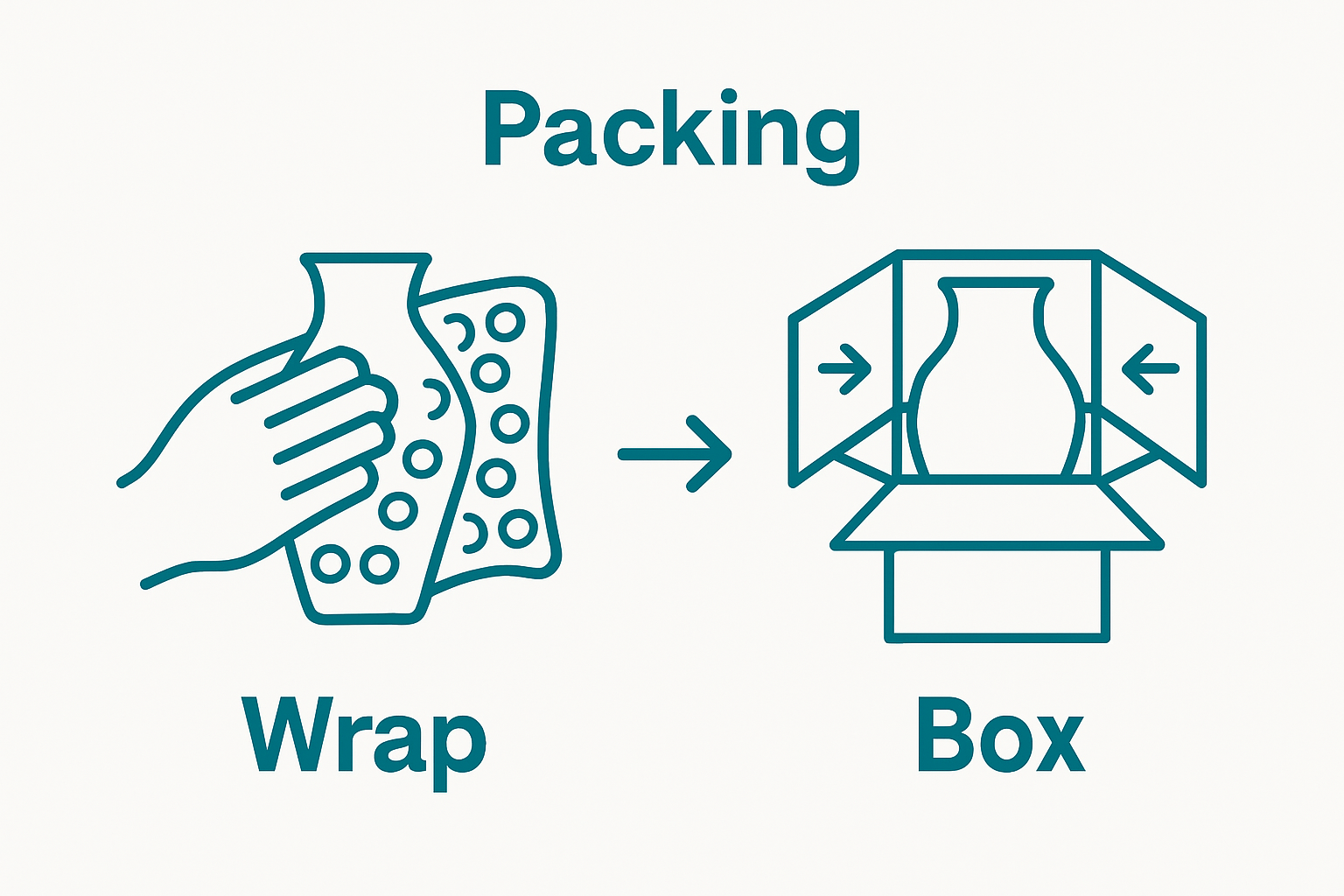
Begin by individually wrapping each fragile item using appropriate cushioning materials. Delicate objects require a layered protection strategy where bubble wrap, foam sheets, or specialized padding completely encase the item without leaving exposed surfaces. Wrap items using smooth, overlapping techniques that eliminate air pockets and provide consistent cushioning. For particularly sensitive pieces like crystal glassware or precision electronic components, consider adding an initial layer of soft tissue paper before applying bubble wrap to prevent potential surface scratching.
Explore advanced shipping protection techniques to elevate your packing methodology. The Smithsonian Institution recommends strategically positioning items within the shipping container, placing heavier objects at the bottom and ensuring complete void filling to minimize potential movement. Create internal compartments using additional cushioning materials that prevent items from touching each other or the box walls. This approach transforms your shipping container into a shock-absorbing environment designed to neutralize external transportation stresses.
Pay special attention to fragile items with protruding or delicate appendages. Components like handles, antennae, or thin edges require extra reinforcement. Wrap these areas with additional padding and consider using rigid support structures that prevent bending or breaking during transit. When multiple items are being shipped together, create individual protective zones that prevent inter-item contact and potential damage.
Key verification criteria for successful packing include:
- Zero movement when gently shaking the packed box
- Complete coverage of all item surfaces with cushioning material
- No direct contact between items or with box walls
- Secure internal positioning that prevents shifting
By implementing these comprehensive packing strategies, you transform shipping from a potential risk into a controlled, manageable process that safeguards your most delicate possessions.
Step 4: Label Packages Clearly with Handling Instructions
Communicating the delicate nature of your shipment begins with strategic and professional package labeling. Clear, prominent handling instructions transform an ordinary package into a carefully monitored transit experience. Shipping professionals understand that effective labeling serves as a critical communication tool between senders, carriers, and recipients, reducing the risk of mishandling and potential damage.
Start by selecting high-visibility labels that clearly indicate the package’s fragile contents. Bright red or fluorescent orange “FRAGILE” stickers immediately signal to handlers that special care is required. Position these labels prominently on multiple sides of the package, ensuring they cannot be accidentally obscured during sorting or transportation. Professional shipping labels should be printed on durable, waterproof materials that maintain legibility throughout the shipping process.
Discover advanced shipping communication strategies to enhance your package handling approach. The Federal Aviation Administration emphasizes the importance of creating labels that are durable, written in clear English, and displayed on a contrasting background. Beyond the standard “FRAGILE” designation, consider adding specific handling instructions such as “HANDLE WITH CARE” or “GLASS INSIDE” to provide additional context for transportation personnel.
Include crucial shipping information directly on the package to facilitate smooth delivery. Your label should contain complete sender and recipient addresses, including contact phone numbers and any special delivery instructions. For international shipments, include necessary customs documentation and clear descriptions of package contents. Consider adding a secondary address label inside the package as a backup identification method in case the external label becomes damaged or detached.
Key verification criteria for successful package labeling include:
- Labels visible from multiple package angles
- Clear, unobstructed text that is easily readable
- Specific handling instructions matching item fragility
- Comprehensive contact and shipping information
- Durable label material resistant to moisture and handling
By implementing comprehensive labeling strategies, you transform your package from a potential shipping risk into a carefully monitored shipment that commands professional handling throughout its journey.
Step 5: Choose Reliable Shipping Carriers and Methods
Selecting the right shipping carrier represents a critical decision that can make or break the safe delivery of fragile items. Shipping methods are not one-size-fits-all solutions, and understanding the nuanced differences between carriers becomes paramount when transporting delicate goods. Professional shippers recognize that carrier selection involves evaluating multiple factors beyond simple cost considerations.
Begin by researching carriers that specialize in handling fragile shipments. Different shipping services offer varying levels of package protection, tracking capabilities, and insurance options. Examine each carrier’s specific handling protocols for delicate items, paying close attention to their track record with similar types of fragile goods. Some carriers provide specialized services for high-value or extremely delicate items, offering enhanced cushioning, temperature-controlled transport, and dedicated handling procedures.
Explore essential courier services for shipping delicate items to optimize your shipping strategy. Compare insurance options meticulously, ensuring that the carrier’s coverage matches the value and fragility of your item. Professional shippers recommend selecting carriers that offer comprehensive insurance with clear claims processes. Consider additional protective services like signature confirmation, which ensures direct delivery and reduces the risk of mishandling.
Evaluate shipping methods based on transit time, handling frequency, and potential transfer points. Direct shipping routes with minimal package transfers significantly reduce the risk of damage. Expedited shipping options often provide more careful handling and fewer touchpoints during transportation. For international or long-distance shipments, select carriers with proven expertise in managing delicate items across complex logistics networks.
Key verification criteria for selecting shipping carriers include:
- Comprehensive insurance coverage matching item value
- Minimal package transfer points during shipping
- Specialized handling protocols for fragile items
- Clear tracking and delivery confirmation options
- Positive customer reviews regarding delicate item shipping
By methodically analyzing carrier capabilities and selecting a shipping method tailored to your specific fragile item, you transform potential shipping risks into a carefully managed, secure transportation experience.
Step 6: Verify Delivery Condition and Follow Up
The final stage of shipping fragile items requires meticulous inspection and immediate action upon delivery. Verification is not merely a formality but a critical process that protects your investment and ensures accountability. Professional shippers understand that the moment a package arrives represents the ultimate test of your careful preparation and strategic shipping approach.
Immediately upon receiving the package, conduct a comprehensive visual inspection before signing any delivery documentation. Carefully examine the exterior packaging for signs of mishandling, such as crushing, punctures, or unusual moisture. Look for torn packaging, compromised sealing, or any indications that the box may have been improperly handled during transit. Professional receivers recommend opening the package in the presence of the delivery personnel, allowing for immediate documentation of any potential damage.
Explore advanced delivery verification techniques to protect your shipments. Remove each item methodically, checking for any signs of damage that might not be visible from external packaging. Photograph the package before and during unpacking, creating a visual record that can serve as crucial evidence if a damage claim becomes necessary. Carefully compare the received items against your original inventory, ensuring that all components are present and intact.
Should you discover any damage, document everything meticulously. Take clear, well-lit photographs from multiple angles, capturing both overall damage and specific details. Preserve all original packaging and packing materials, as these serve as critical evidence for potential insurance claims or carrier investigations. Contact the shipping carrier immediately, following their specific claims process and providing comprehensive documentation of the discovered issues.
Key verification criteria for successful delivery inspection include:
- Comprehensive photographic documentation of package and contents
- Immediate reporting of any visible damage
- Preservation of original packaging materials
- Detailed comparison with original shipping inventory
- Prompt communication with shipping carrier
By implementing a systematic and thorough delivery verification process, you transform potential shipping challenges into opportunities for accountability and resolution, ensuring the safe arrival of your most delicate items.
Here is a checklist to help you verify adequate packaging, proper packing, labeling, carrier selection, and delivery inspection for fragile items.
| Step/Area | Verification Criteria |
|---|---|
| Packaging Evaluation | Minimal movement when gently shaking the packed item |
| Consistent cushioning around all sides and edges | |
| No direct contact between item and box exterior | |
| Appropriate box size relative to item dimensions | |
| Material Selection | No visible gaps in cushioning around the item |
| Secure box closure without risk of accidental opening | |
| Appropriate cushioning thickness for item fragility | |
| Packing Process | Complete coverage of all item surfaces with cushioning material |
| Zero movement when gently shaking the box | |
| No direct contact between items or box walls | |
| Labeling | Labels visible from multiple package angles |
| Clear, unobstructed text using durable materials | |
| Carrier Selection | Comprehensive insurance coverage matching item value |
| Minimal package transfer points during shipping | |
| Delivery Inspection | Comprehensive photographic documentation |
| Immediate reporting of any visible damage | |
| Preservation of original packaging materials |
Ship Fragile Items Safely with Reliable Courier Services for Your Business
Tired of worrying about broken orders and costly claims? As you follow the expert steps in our guide, you recognize how much care and planning shipping fragile items really takes. Every missed detail—wrong materials, poor tracking, unclear labeling—can turn a simple delivery into a stressful loss. You deserve a logistics partner who manages risk at every point and delivers peace of mind.

Let Reliable courier services from or-ner.com do the heavy lifting for your delicate shipments. Our all-in-one platform streamlines every phase, from selecting the right freight protection to providing real-time tracking and smart exception management. Join thousands of ecommerce sellers, wholesalers, and manufacturers who already trust our integrated supply chain, advanced fulfillment tech, and specialist support for fragile, high-value goods. Don’t leave breakage to chance. Explore our solutions now and safeguard every shipment—choose reliability every step of the way.
Frequently Asked Questions
What materials are best for packing fragile items?
For packing fragile items, materials such as bubble wrap, foam sheets, packing peanuts, and air pillows are ideal. These cushioning materials provide the necessary shock absorption and protection against impacts.
How do I determine if my packaging for fragile items is adequate?
You can verify packaging adequacy by ensuring minimal movement when shaking the packed box, checking that cushioning completely surrounds the item, confirming no direct contact with the box walls, and making sure the box size is appropriate for the item dimensions.
What are the best practices for labeling packages containing fragile items?
Use high-visibility labels indicating “FRAGILE” and other specific handling instructions, such as “HANDLE WITH CARE”. Ensure the labels are displayed prominently on multiple package sides and made of durable, waterproof materials.
How can I check for damage after my fragile item has been delivered?
Immediately inspect the package for signs of physical damage, such as crushing or punctures, before signing for it. Document any damage with photos and report it to the shipping carrier promptly, preserving all original packaging materials for potential claims.