

Nearly 60 percent of businesses report delays or errors in their courier deliveries due to logistics breakdowns. Managing shipments, tracking packages, and meeting tight deadlines can often feel overwhelming for companies aiming to deliver on time every time. Understanding where your logistics process falls short opens the door to improvements that drive real results. This guide cuts through the complexity and lays out step by step solutions to help you build a faster, more reliable courier service.
Table of Contents
- Step 1: Assess Current Logistics Challenges
- Step 2: Implement Automated Order Management
- Step 3: Optimize Inventory And Warehouse Operations
- Step 4: Integrate Real-Time Shipment Tracking
- Step 5: Verify System Performance And Delivery Quality
Quick Summary
| Key Point | Explanation |
|---|---|
| 1. Assess logistics challenges thoroughly | Evaluate your current logistics infrastructure to identify inefficiencies and bottlenecks in the delivery process. |
| 2. Implement automated order management | Use technology to streamline order processing, enhancing efficiency and reducing manual errors throughout your operation. |
| 3. Optimize inventory and warehouse operations | Adopt modern technologies and effective strategies to improve inventory management and warehouse efficiency, reducing costs. |
| 4. Integrate real-time shipment tracking | Provide transparent package visibility through real-time tracking to enhance customer experience and satisfaction. |
| 5. Verify system performance regularly | Establish a performance tracking system to monitor key metrics and implement continuous improvement strategies based on evaluations. |
Step 1: Assess Current Logistics Challenges
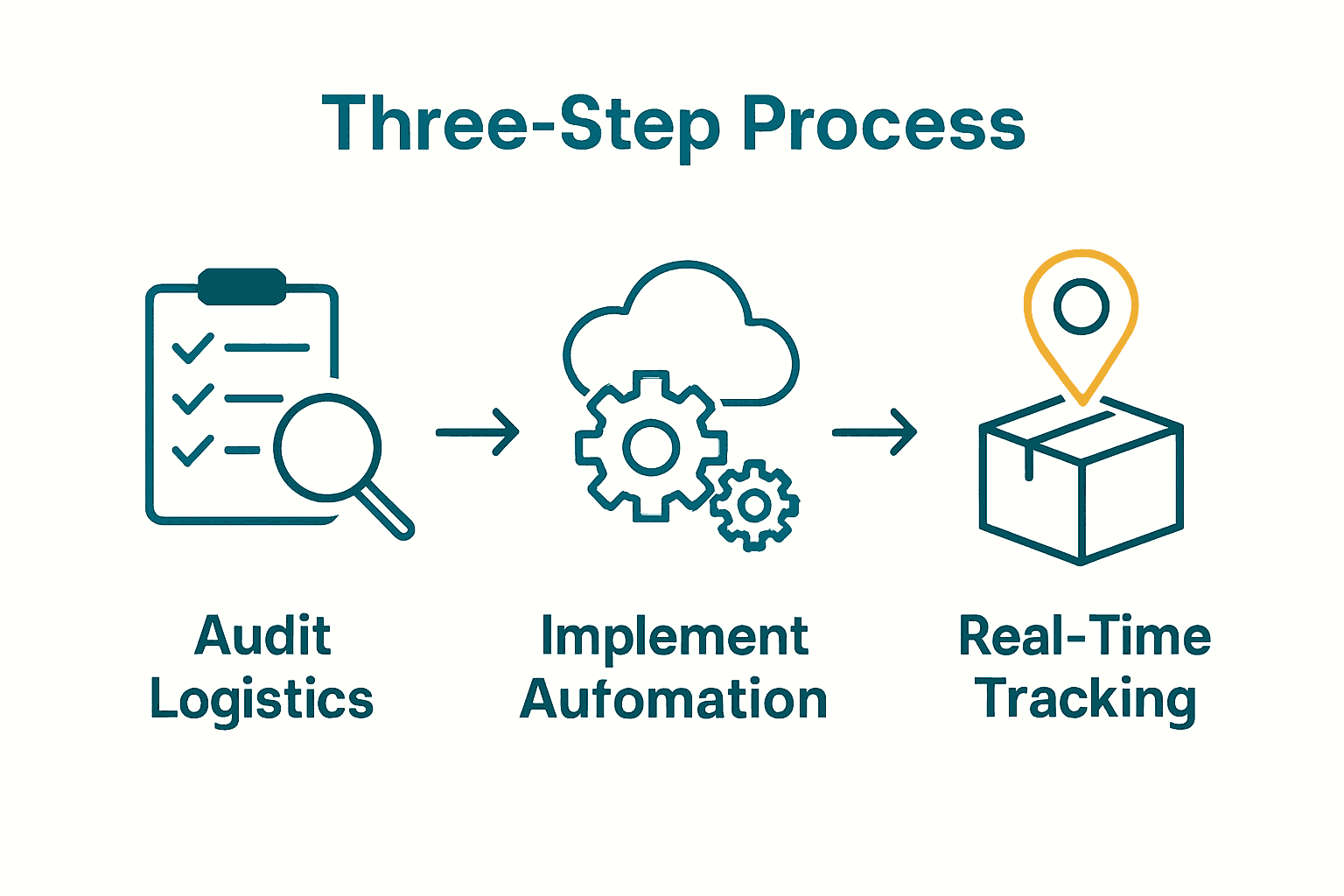
Streamlining courier services begins with a comprehensive evaluation of your existing logistics infrastructure. This initial assessment helps identify bottlenecks, inefficiencies, and potential areas for improvement across your supply chain operations.
According to research from Indepth Research, key challenges in logistics often emerge in last-mile delivery. These typically include high operational costs, tight delivery deadlines, and difficulties reaching remote areas. Start by conducting a thorough audit of your current logistics performance. Map out each stage of your delivery process tracking metrics like delivery times, transportation expenses, package handling protocols, and customer satisfaction rates.
Customer service represents another critical constraint in logistics systems. As research from PMC highlights, maintaining service quality across complex supply chains requires strategic planning and robust contingency frameworks. Examine your current customer communication channels, tracking systems, and problem resolution procedures. Look for gaps where delays or miscommunications might occur.
Pro tip: Create a detailed logistics performance scorecard that tracks key indicators like:
- Average delivery time
- Transportation cost per package
- Customer complaint rates
- Package handling efficiency
- Geographic delivery coverage
This systematic approach will provide a clear snapshot of your current logistics challenges and set the foundation for strategic improvements.
Step 2: Implement Automated Order Management
Automated order management transforms your courier services by reducing manual processes and enhancing operational efficiency. By leveraging technology, you can streamline your entire order processing workflow from initial request to final delivery.
According to research from International Journal of Computer, computerized courier management systems can dramatically improve service tracking and security. Start by selecting a robust order management platform that integrates seamlessly with your existing infrastructure. The goal is to automate key processes like order capture, routing, tracking, and customer communication.
Research from Frontiers in Future Transportation highlights the importance of emerging information technologies in dynamic freight management. Modern automated systems can optimize courier routes in real time, adjust to changing conditions, and provide precise delivery estimates.
Key steps for implementing automated order management include:
- Select a cloud-based order management system
- Integrate with existing inventory and shipping platforms
- Set up automated tracking and notification workflows
- Configure rules for order routing and prioritization
- Implement real-time data synchronization
With warehouse automation trends continuing to evolve, investing in a comprehensive automated order management solution will keep your courier services competitive and responsive to changing market demands.
Step 3: Optimize Inventory and Warehouse Operations
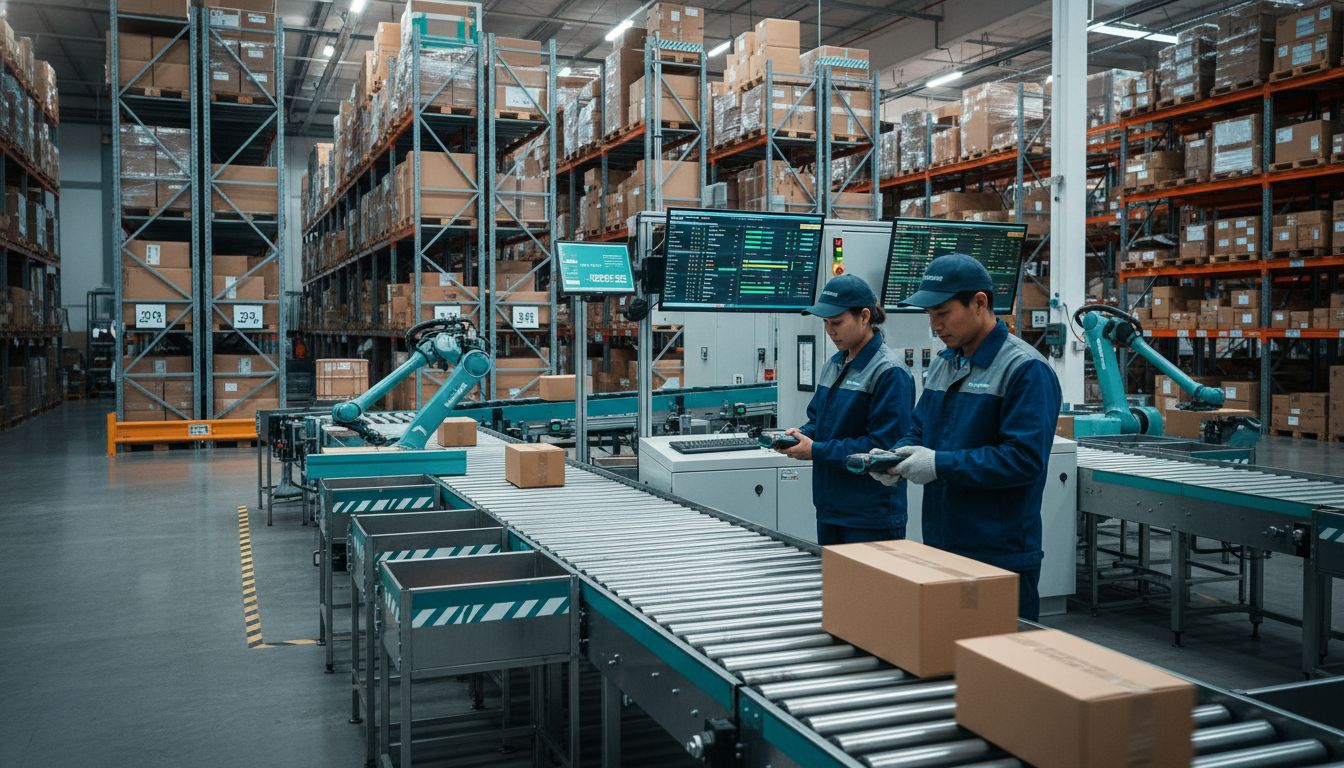
Optimizing inventory and warehouse operations is critical for creating a streamlined and efficient courier service. This process involves strategically managing your inventory resources to maximize productivity and minimize operational costs.
According to research from Cari Journals, adopting modern technologies can significantly enhance operational efficiency in courier companies. Begin by implementing a robust warehouse management system that provides real-time tracking of inventory levels, allows precise stock allocation, and enables quick order processing.
The United Nations Conference on Trade and Development emphasizes that well functioning logistics systems are essential for effective order fulfillment. Understanding inventory management strategies becomes crucial in this context. Focus on developing a comprehensive approach that includes accurate demand forecasting, strategic stock placement, and efficient picking and packing processes.
Key strategies for optimizing warehouse operations include:
- Implement advanced inventory tracking technologies
- Design efficient warehouse layout for minimal movement
- Utilize predictive analytics for stock management
- Develop clear inventory classification systems
- Create streamlined picking and packing workflows
Pro tip: Regularly audit your warehouse processes and invest in continuous staff training to maintain high operational standards and adapt to evolving logistics technologies.
Step 4: Integrate Real-Time Shipment Tracking
Real-time shipment tracking transforms customer experience by providing transparency and immediate visibility into package movement. This critical technology allows businesses to offer precise delivery updates and enhance overall service reliability.
Research from IIETA highlights the significant impact of IoT technologies in courier services. By implementing advanced tracking systems, you can dramatically improve supply chain sustainability and customer satisfaction. Start by selecting a comprehensive tracking platform that integrates seamlessly with your existing logistics infrastructure.
According to the IEOM Society, successful real-time tracking requires understanding customer expectations and developing efficient communication channels.
This means creating a system that not only tracks packages but also provides meaningful context about potential delays or route changes.
Key steps for implementing real-time shipment tracking include:
- Select a robust IoT enabled tracking platform
- Integrate GPS and sensor technologies
- Develop user friendly tracking interfaces
- Create automated notification systems
- Establish clear communication protocols
Pro tip: Ensure your tracking system offers multiple communication channels like mobile apps, SMS, and email to accommodate different customer preferences and technological capabilities.
Step 5: Verify System Performance and Delivery Quality
Verifying system performance and delivery quality represents the final critical step in ensuring your courier services meet the highest operational standards. This process involves systematic evaluation of your logistics infrastructure to identify potential improvements and maintain customer satisfaction.
Research from MAIL Journal emphasizes the crucial relationship between distribution strategies and service quality in the courier sector. Implement a comprehensive performance tracking system that monitors key metrics such as delivery times, package handling accuracy, and customer feedback. Create a standardized evaluation framework that allows for consistent and objective assessment of your logistics operations.
According to insights from LACCM, developing robust quality management procedures is essential for maintaining high delivery standards. Focus on creating a multi dimensional evaluation approach that considers both quantitative performance indicators and qualitative customer experience metrics.
Key strategies for verifying system performance include:
- Establish clear key performance indicators
- Conduct regular internal and external audits
- Implement continuous feedback collection mechanisms
- Analyze performance data systematically
- Create actionable improvement plans based on insights
Pro tip: Develop a dynamic scoring system that weights different performance metrics to provide a comprehensive view of your courier service effectiveness. This approach allows for nuanced understanding of your operational strengths and potential areas for improvement.
Elevate Your Reliable Courier Services with Streamlined Logistics Solutions
You already understand how crucial it is to overcome common logistics challenges like last-mile delivery bottlenecks, inefficient inventory management, and limited shipment visibility. The key is transforming these pain points into strengths through automation, real-time tracking, and data-driven warehouse operations. At or-ner.com, we specialize in delivering these exact solutions tailored for ecommerce sellers and businesses eager to enhance reliability and customer satisfaction.
Take control of your courier services now by integrating our end-to-end platform that supports everything from freight booking to customs clearance. Harness tools that streamline order management, optimize inventory, and offer transparent shipment tracking all in one place. Don’t let logistics hold back your business growth when a proven partner is just a click away. Discover how reliable courier services with superior visibility and automation can revolutionize your supply chain. Visit or-ner.com to transform your logistics and ensure every delivery exceeds expectations.
Frequently Asked Questions
How can I assess my current logistics challenges in courier services?
Begin by conducting a comprehensive audit of your logistics performance to identify bottlenecks and inefficiencies. Track key metrics such as average delivery time and transportation costs to pinpoint areas for improvement.
What steps should I take to implement automated order management?
Start by selecting a suitable order management system that integrates well with your current logistics infrastructure. Focus on automating key processes like order capture and tracking to improve efficiency within 30 days.
How can I optimize my inventory and warehouse operations?
Implement a robust warehouse management system to enhance real-time inventory tracking and order processing. Redesign your warehouse layout for minimal movement to increase productivity by approximately 15%.
What are the key features of a real-time shipment tracking system?
A robust tracking system should include GPS integration and allow automated notifications to keep customers updated. Develop a user-friendly interface to improve customer experience and reduce inquiries by ~25%.
How do I verify the performance and quality of my logistics system?
Establish clear key performance indicators and conduct regular audits of your logistics operations. Use this data to create actionable improvement plans based on consistent evaluations to maintain high service standards.
What should I include in a logistics performance scorecard?
Include metrics such as average delivery times, transportation costs per package, and customer complaint rates in your scorecard. This will provide a clear snapshot of your logistics challenges and help guide improvements.