Did you know that over 75 percent of logistics leaders say digital skills now outweigh traditional experience when hiring new talent? As technology continues to reshape global supply chains, professionals must step beyond routine tasks to keep pace. Mastery of digital tools, data analysis, and environmental practices is rapidly becoming the new standard in logistics, opening doors for those ready to adapt and lead in an evolving industry.
Table of Contents
- Defining Future Skills in Logistics
- Emerging Technologies Transforming Logistics Roles
- Key Digital and Analytical Skill Sets Needed
- Compliance, Security, and Sustainability Requirements
- Talent Development and Upskilling Strategies
Key Takeaways
| Point | Details |
|---|---|
| Emphasis on Digital Skills | The logistics industry requires professionals to possess digital literacy and technological proficiency as core competencies. |
| Data-Driven Decision Making | Mastery of data analytics and predictive modeling is essential for optimizing supply chain operations. |
| Commitment to Sustainability | Logistics experts must integrate sustainable practices and adhere to compliance and cybersecurity standards in operations. |
| Talent Development Focus | Organizations should adopt hybrid workforce strategies that combine technical skills with human-centered training to foster adaptability. |
Defining Future Skills in Logistics
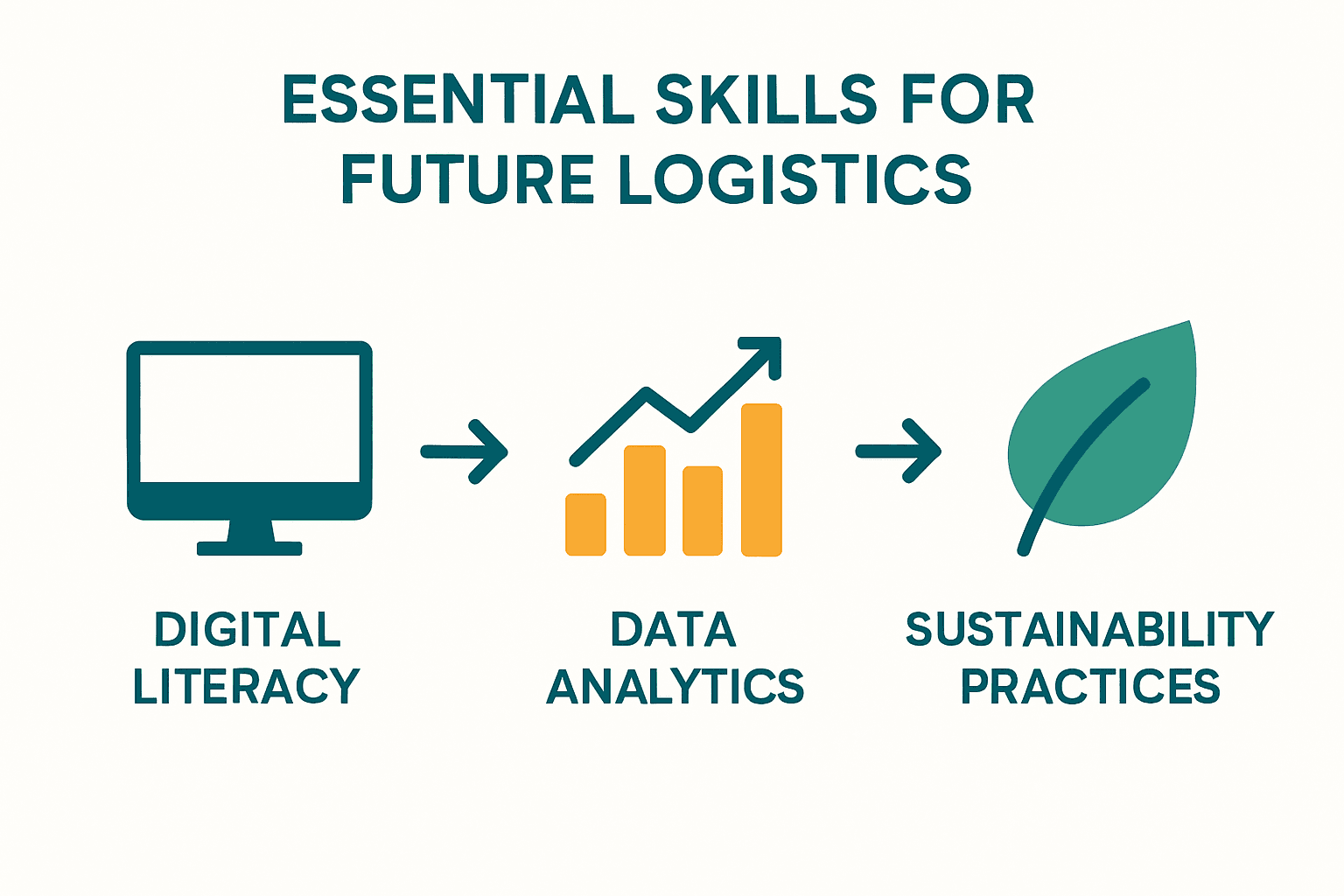
The logistics industry is experiencing a profound transformation driven by technological advancements and global market dynamics. As supply chains become increasingly complex, professionals must develop a robust set of skills that transcend traditional operational knowledge. According to Cast USA, future skills in logistics now encompass digital literacy, data analytics, sustainability practices, supply chain resilience, and technological proficiency.
Digital competencies are no longer optional but essential. SDC Exec highlights that the logistics sector increasingly demands STEM skills, particularly in areas like algorithm-based forecasting and RFID technology. Professionals must now understand advanced tracking systems, predictive analytics, and complex technological infrastructure that support modern supply chains.
The future logistics expert will be a hybrid professional combining technical knowledge with strategic thinking. Key skills include:
- Advanced data interpretation
- Real-time shipment tracking capabilities
- Sustainable logistics strategy development
- Cross-functional technology integration
- Adaptive problem-solving in dynamic environments
Embracing continuous learning and technological adaptability will distinguish top-tier logistics professionals in the coming decade.
Here’s a summary of essential future skills in logistics:
| Skill Category | Key Skills | Examples |
|---|---|---|
| Digital Competencies | Digital literacy Technological proficiency |
RFID systems Tracking platforms |
| Data & Analytics | Data analytics Advanced interpretation |
Predictive analytics Forecasting tools |
| Sustainability | Sustainable practices Environmental compliance |
Route optimization Eco-friendly fleets |
| Strategic & Adaptive | Supply chain resilience Problem-solving |
Contingency planning Cross-functional teams |
| Continuous Learning | Technological adaptability STEM-based upskilling |
Python Automation systems |
Those who can seamlessly navigate digital tools, understand complex data systems, and maintain a forward-thinking approach will be most successful in this rapidly evolving industry.
Emerging Technologies Transforming Logistics Roles
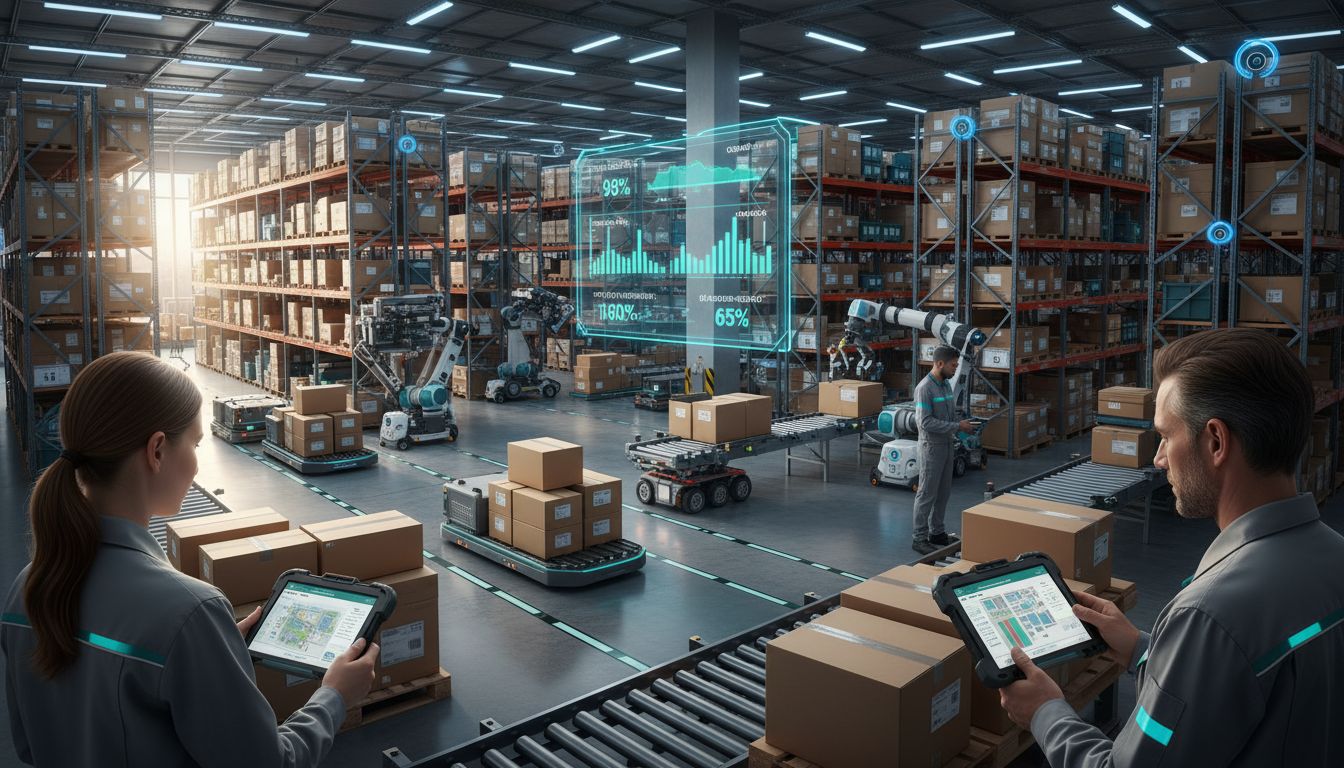
The logistics industry is undergoing a technological revolution that is fundamentally reshaping how professionals approach their work. Blog Mirage Metrics highlights that emerging technologies like Internet of Things (IoT), artificial intelligence, machine learning, and automation are revolutionizing logistics by dramatically enhancing real-time tracking, predictive analytics, and overall operational efficiency.
Beyond traditional technological improvements, cutting-edge developments are pushing the boundaries of what’s possible in logistics. ArXiv Research reveals that quantum computing is being explored as a potential game-changer for solving complex optimization problems in supply chain management. This indicates a transformative shift where computational power could revolutionize route planning, inventory management, and strategic decision-making.
Key emerging technologies driving this transformation include:
- Advanced predictive analytics platforms
- Autonomous transportation systems
- AI-powered inventory management
- Blockchain for transparent supply chains
- Robotics and automated warehousing solutions
Professionals in logistics must now view technology not as a supplementary tool, but as a core component of their strategic capabilities.
Adapting to these technological shifts means developing a mindset of continuous learning, embracing digital skills, and understanding how advanced technologies can create more efficient, responsive, and intelligent logistics operations. Learn more about digital transformation in our comprehensive guide on logistics technologies.
Key Digital and Analytical Skill Sets Needed
The landscape of logistics is increasingly driven by data-powered decision-making, requiring professionals to develop sophisticated digital and analytical capabilities. Cast USA emphasizes that proficiency in data analytics and interpretation is crucial for optimizing supply chain efficiency and making informed strategic decisions in logistics.
Modern logistics professionals must cultivate a comprehensive set of digital skills that go beyond traditional operational knowledge. These skills include advanced data visualization, predictive modeling, machine learning algorithm understanding, and the ability to translate complex data insights into actionable business strategies. Mastering tools like Python, R, SQL, and specialized logistics analytics platforms will become increasingly important for professionals seeking to remain competitive.
Key digital and analytical skill sets include:
- Advanced statistical analysis
- Predictive modeling techniques
- Machine learning algorithm interpretation
- Cloud computing and data infrastructure management
- Real-time supply chain performance analytics
- Cybersecurity awareness for data protection
Moreover, the most successful logistics professionals will blend technical prowess with strategic thinking. Explore how digital transformation is reshaping logistics in our comprehensive guide, understanding that data is not just a tool, but a strategic asset that can drive significant competitive advantages in an increasingly complex global supply chain ecosystem.
Compliance, Security, and Sustainability Requirements
The modern logistics landscape demands a holistic approach that balances technological innovation with ethical and environmental responsibilities. Cast USA emphasizes the critical need for logistics professionals to implement environmentally friendly practices, such as route optimization and adopting eco-friendly vehicles to meet growing environmental regulations and concerns.
CCALS highlights another crucial dimension: the integration of autonomous systems necessitates robust cybersecurity measures to protect technology-enabled supply chains from increasingly sophisticated operational and cyber threats. This requires a multi-layered approach that combines technological safeguards with comprehensive workforce training and risk management strategies.
Key compliance, security, and sustainability requirements include:
- Carbon emission tracking and reduction strategies
- Advanced cybersecurity protocol implementation
- Regulatory compliance management
- Ethical AI and automation deployment
- Data privacy and protection mechanisms
- Sustainable logistics infrastructure development
Professionals must view these requirements not as constraints, but as opportunities for innovation and competitive differentiation. Explore urban logistics solutions that prioritize sustainability and efficiency to understand how cutting-edge organizations are transforming these challenges into strategic advantages.
Talent Development and Upskilling Strategies
The logistics industry is experiencing a profound transformation that demands a strategic approach to workforce development. CCALS emphasizes the critical need for developing a hybrid workforce that seamlessly combines technical fluency with human-centered skills, enabling professionals to adapt effectively to the rapidly evolving logistics landscape driven by automation.
Successful talent development requires a multifaceted approach that goes beyond traditional training models. Organizations must create comprehensive learning ecosystems that support continuous skill acquisition, combining formal education, digital learning platforms, hands-on experience, and cross-functional exposure. This means developing programs that not only teach technical skills like data analytics and automation management but also cultivate critical soft skills such as adaptive thinking, collaborative problem-solving, and strategic communication.
Key upskilling strategies include:
- Personalized learning and development pathways
- Micro-credentialing and modular skill certification
- Cross-functional rotation programs
- Mentorship and peer learning networks
- Technology-enabled skills assessment platforms
- Continuous professional development frameworks
Explore how digital transformation is reshaping logistics workforce strategies to understand how forward-thinking organizations are creating agile, adaptive talent development approaches that prepare professionals for the complex challenges of future logistics environments.
Equip Your Logistics Operations With Future-Ready Solutions
The article highlights the urgent need for logistics professionals to master digital literacy, data analytics, and sustainability practices to stay competitive in an ever-evolving industry. If you are struggling to manage complex supply chains, adapt to emerging technologies, or scale cross-border operations while maintaining reliable courier services, you are not alone. Key challenges like real-time shipment tracking, automation integration, and sustainable logistics require tools that deliver transparency and efficiency without adding complexity.
At or-ner.com, we understand these pain points and offer an all-in-one logistics platform designed to empower ecommerce sellers and businesses with scalable, tech-driven solutions. Our platform connects you to a global network of warehouses and fulfillment centers, provides seamless freight booking, customs clearance, and live shipment tracking, and supports inventory management tailored to your sector. We help you transform logistics hurdles into competitive advantages by streamlining workflows and enabling data-driven decision-making.
Ready to take control of your logistics future with reliable courier services and industry-specific solutions?
Explore how real-time shipment tracking and automated workflows can boost your operational agility. Visit or-ner.com now to unlock the full potential of your supply chain and get ahead in the fast-paced logistics landscape.
Frequently Asked Questions
What are the essential future skills needed in logistics?
The essential future skills in logistics include digital literacy, data analytics, sustainability practices, supply chain resilience, and technological proficiency. Professionals must develop a robust skill set that combines technical knowledge with strategic thinking.
How is technology reshaping roles in the logistics industry?
Technology is radically transforming logistics roles through advancements like IoT, artificial intelligence, automation, and blockchain. These technologies enhance real-time tracking, predictive analytics, and improve operational efficiency across supply chains.
What digital and analytical skills should logistics professionals develop?
Logistics professionals should focus on skills such as advanced statistical analysis, predictive modeling, cybersecurity awareness, and proficiency in tools like Python, R, and SQL for effective data handling and strategy development.
Why is sustainability important in logistics?
Sustainability in logistics is crucial due to increasing environmental regulations and the need for eco-friendly practices. Implementing sustainable strategies, such as route optimization and using clean technologies, not only meets compliance but can also provide strategic advantages for businesses.
Recommended
- What Is Freight Forwarding? Guide for Modern Supply Chains 2025 – ORNER
- Top Benefits of Freight Forwarding for Growing Businesses 2025 – ORNER
- Just in Time Delivery: Essential Guide for 2025 Success – ORNER
- What Is Same Day Delivery? 2025 Guide for Online Retailers – ORNER
- How a Smart Locker solution can optimise the modern supply chain
- 7 Essential Leadership Skills for Students to Develop|CS