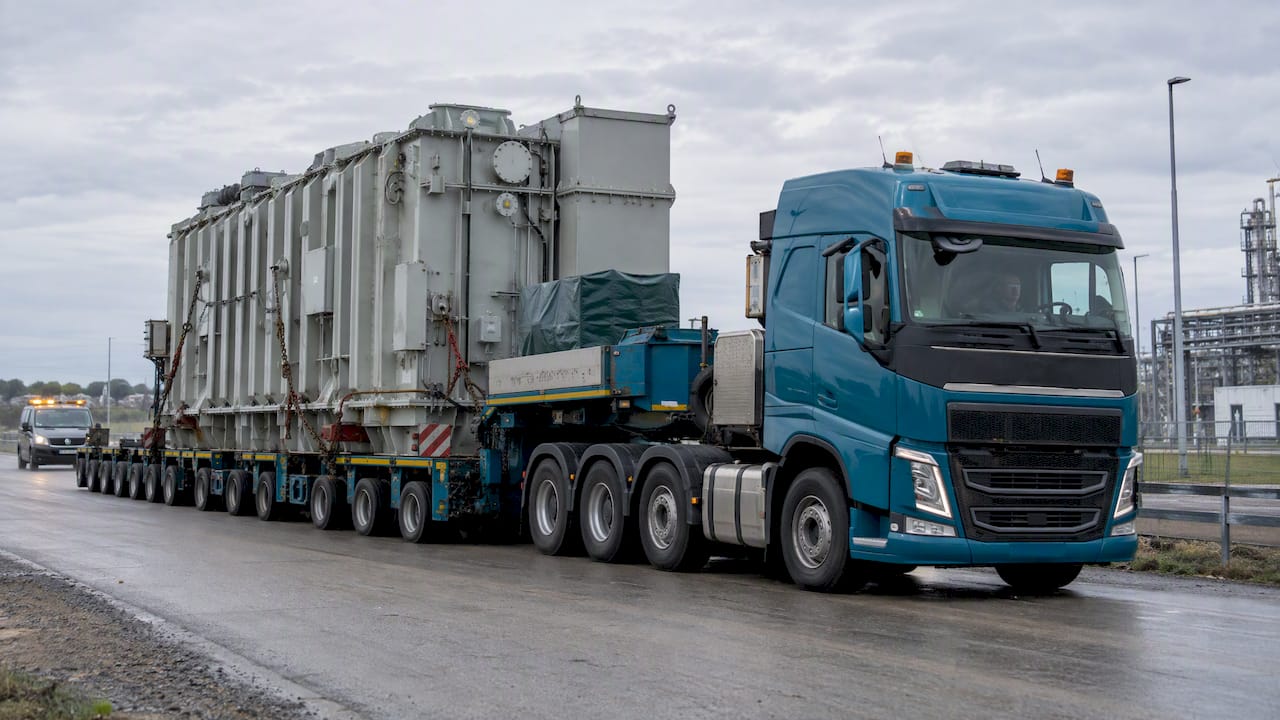
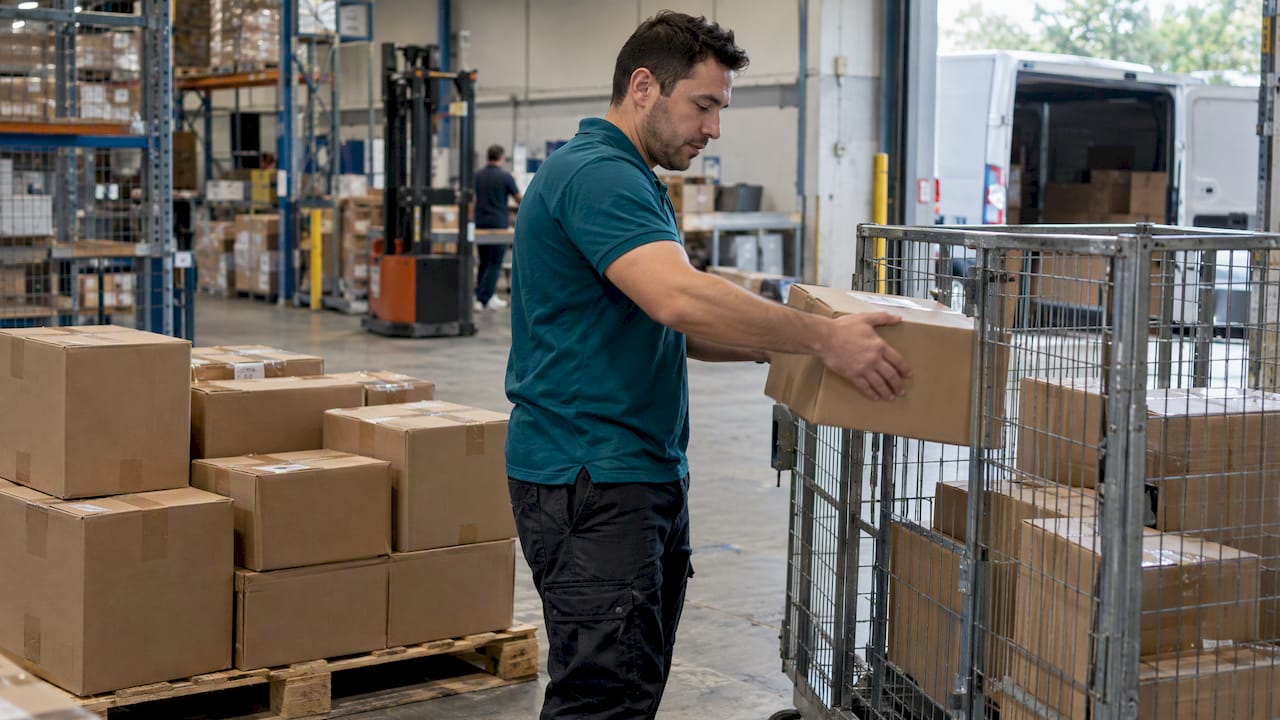
More than 90 percent of American imports and exports cross international borders each year, making customs clearance an essential part of global trade. Whether you are shipping a single parcel or managing a large supply chain, understanding how shipments move through customs can mean the difference between smooth delivery and costly delays. This guide breaks down the entire customs clearance process so you can navigate every regulatory step with confidence and keep your business moving forward.
Table of Contents
- What Is Customs Clearance In Shipping?
- Types Of Customs Processes For Imports And Exports
- Key Customs Documents And Compliance Requirements
- Costs, Duties, And Tax Implications Explained
- Risks, Delays, And How To Avoid Common Errors
Key Takeaways
| Point | Details |
|---|---|
| Importance of Customs Clearance | Customs clearance is essential for legal cross-border trade and requires meticulous documentation for smooth processing. |
| Types of Customs Processes | Import and export processes include multiple stages, each requiring specific documents and compliance to ensure successful clearance. |
| Documentation Necessity | Accurate customs documentation is vital for protecting interests and ensuring compliance, highlighting the importance of thorough preparation. |
| Financial Implications | Understanding various fees, duties, and tax obligations is crucial for managing costs associated with international shipping effectively. |
What Is Customs Clearance in Shipping?
Customs clearance is a critical process in international trade that determines whether goods can legally enter or exit a country. At its core, it involves a comprehensive series of regulatory procedures designed to control and validate cross-border shipments.
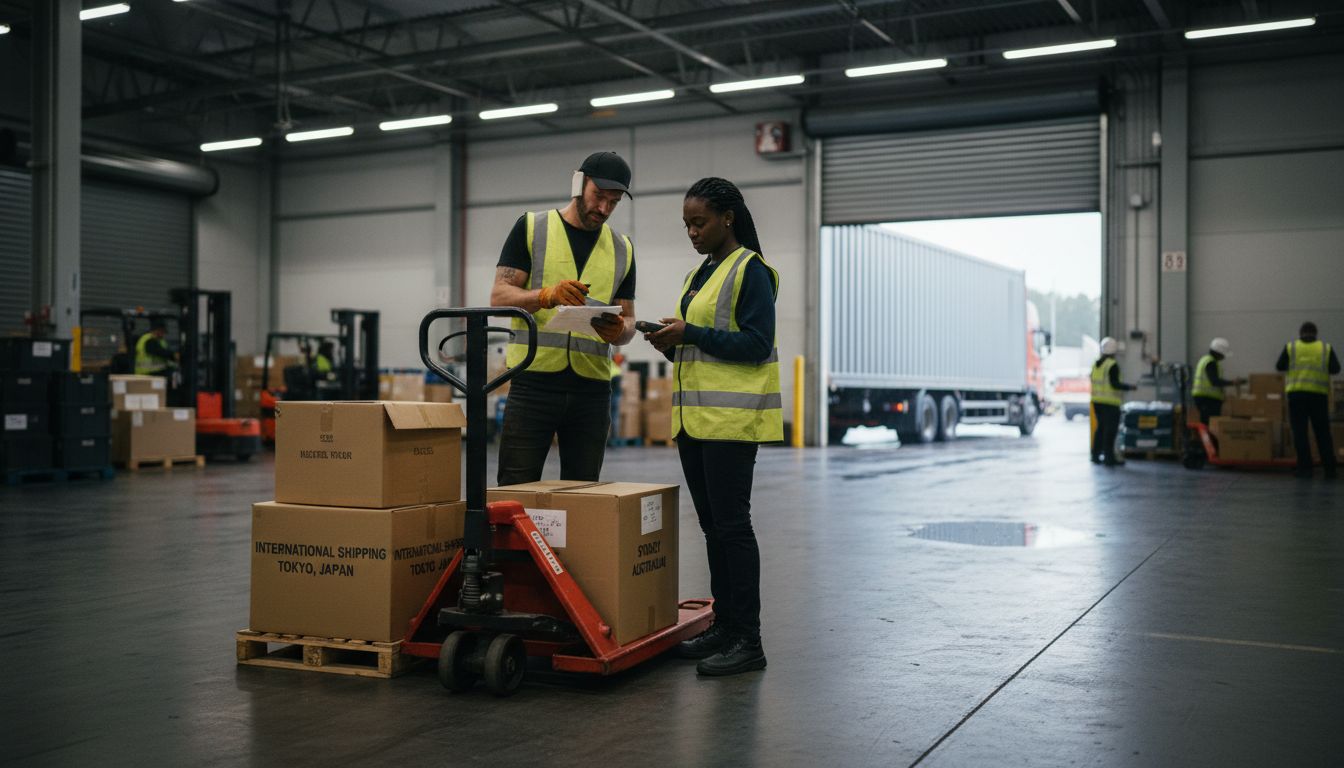
When an international package moves through customs, it undergoes a meticulous verification process. Shippers must submit extensive documentation that proves the shipment’s contents, value, origin, and compliance with local regulations. This process includes several key components:
- Preparing accurate shipping manifests
- Calculating and paying applicable import/export duties
- Verifying product classifications
- Obtaining necessary permits and certificates
The successful navigation of customs requirements allows a shipment to proceed beyond the port of entry. Businesses must understand that each country maintains unique regulations, making customs clearance a complex and nuanced procedure. Factors like product type, shipment value, trade agreements, and national security protocols can significantly impact the clearance timeline and complexity.
For global businesses, effective customs clearance is not just a legal requirement but a strategic capability. Delays or errors in this process can result in significant financial penalties, shipment seizures, or extended holding periods at border checkpoints. Successful cross-border shipping demands meticulous attention to detail, thorough documentation, and a deep understanding of international trade regulations.
Types of Customs Processes for Imports and Exports
Customs processes for international trade encompass a range of complex procedures that ensure legal and compliant cross-border shipments. These processes are designed to regulate the movement of goods, protect national interests, and maintain economic security through systematic verification and documentation.
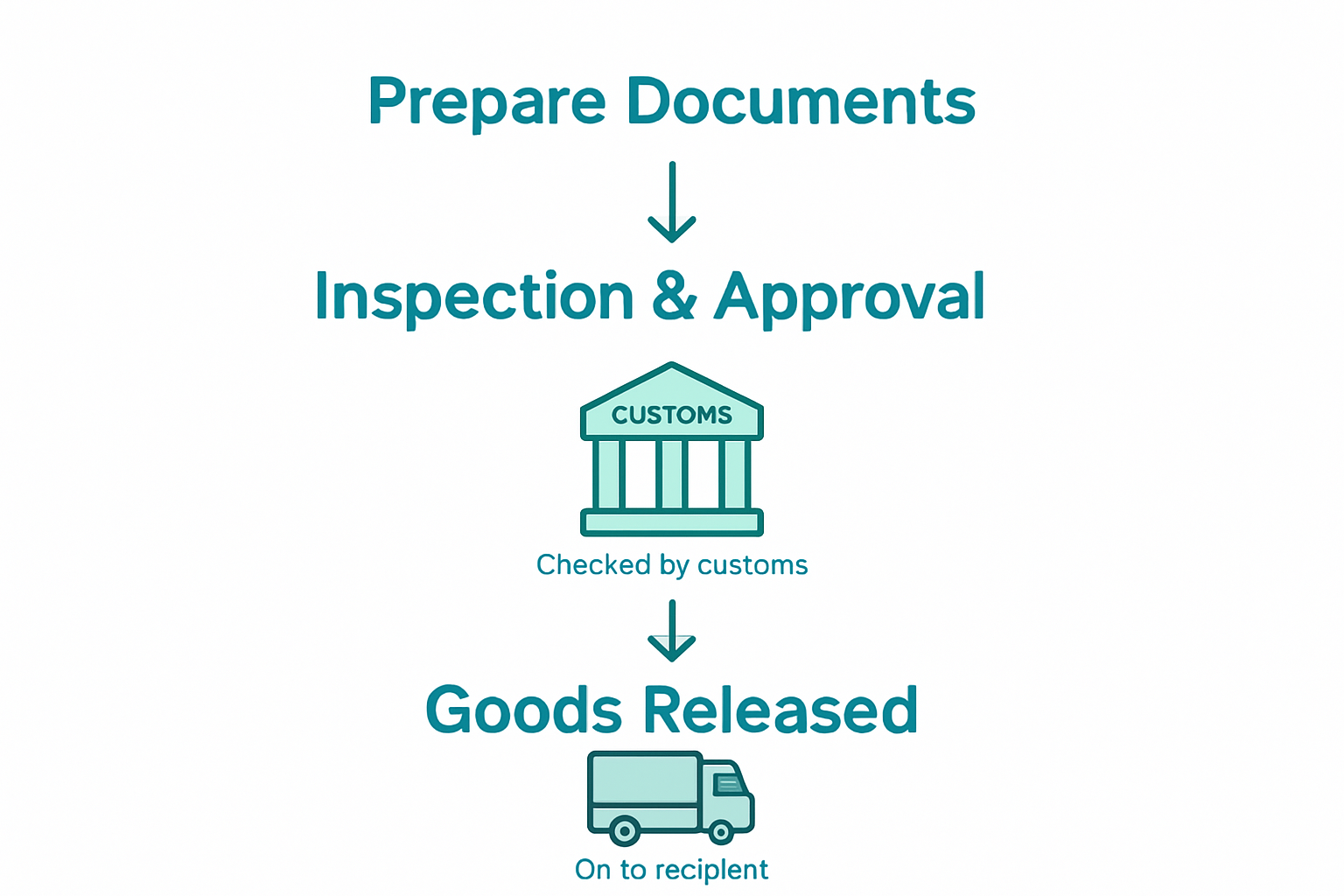
The import clearance procedure involves several critical stages that businesses must navigate carefully. Typically, this process includes:
- Goods arrival and initial documentation submission
- Detailed import declaration filing
- Comprehensive customs inspection
- Verification of product classification
- Assessment and payment of applicable duties
Export processes follow a similarly structured approach, requiring precise customs declarations that outline the shipment’s contents, value, and intended destination. Exporters must obtain necessary permits, comply with international trade regulations, and ensure all documentation meets the specific requirements of both the originating and receiving countries.
Beyond standard import and export procedures, specialized customs processes exist for different scenarios. These include temporary import/export arrangements, bonded warehouse shipments, transit trade protocols, and special economic zone transfers. Each variation demands unique documentation, tax considerations, and compliance mechanisms. Successful navigation of these complex processes requires detailed knowledge of international trade regulations, careful preparation, and a strategic approach to cross-border logistics.
Key Customs Documents and Compliance Requirements
Customs documentation serves as the critical backbone of international trade, providing the legal and financial framework that enables cross-border shipments. These essential documents not only facilitate smooth transit but also protect the interests of exporters, importers, and government regulatory bodies.
The pro forma invoice plays a pivotal role in international transactions, functioning initially as a negotiating tool and eventually transforming into the final commercial invoice used during customs clearance. This document provides crucial details about the shipment, including:
- Precise product descriptions
- Itemized pricing
- Shipping terms
- Total shipment value
- Applicable tax classifications
Beyond standard invoicing, specialized documents become critical for compliance. Certificates of origin, for instance, are frequently required to meet foreign customs regulations, satisfy letter of credit requirements, or address specific buyer requests. Other essential compliance documents include:
- Bill of lading
- Export/import licenses
- Packing lists
- Insurance certificates
- Customs value declarations
Navigating the complex landscape of international trade documentation demands meticulous attention to detail. Each document serves a specific purpose, from establishing the legal ownership of goods to determining appropriate tariff classifications and ensuring regulatory compliance. Businesses must develop robust documentation strategies that anticipate potential regulatory challenges and demonstrate transparency throughout the shipping process.
Costs, Duties, and Tax Implications Explained
International shipping costs represent a complex financial landscape that extends far beyond simple transportation expenses. Businesses must navigate a multifaceted system of fees, tariffs, and tax obligations that can significantly impact the overall cost of cross-border trade.
The customs clearance destination (CCD) service involves specific fees charged by carriers or logistics providers to facilitate goods entry into a destination country. These fees encompass critical activities such as:
- Documentation processing
- Regulatory compliance verification
- Customs declaration handling
- Import duty calculations
- Tax assessment and collection
Understanding the Harmonized System (HS) classification is crucial for accurately determining applicable duties and taxes. This international standardized system categorizes physical goods, directly influencing the financial obligations associated with each shipment. Different product classifications can result in dramatically varying tax rates, making precise categorization essential for cost management.
Beyond standard fees, businesses must account for additional financial considerations such as value-added taxes, import duties, excise taxes, and potential customs penalties. These costs can fluctuate based on factors including product type, shipment value, country of origin, trade agreements, and specific regulatory environments. Successful international traders develop comprehensive financial strategies that anticipate and mitigate potential tax and duty expenses, transforming these complex obligations into predictable business expenses.
Risks, Delays, and How to Avoid Common Errors
Customs clearance errors can transform international shipping from a strategic business operation into a logistical nightmare. Understanding potential pitfalls and developing proactive mitigation strategies is essential for maintaining smooth cross-border trade operations.
One of the most frequent challenges stems from imprecise commercial invoice descriptions, which can trigger immediate shipment holds. Businesses must ensure:
- Hyper-accurate product descriptions
- Precise commodity classifications
- Exact valuation documentation
- Comprehensive shipping details
- Consistent information across all documents
After initial clearance, carrier movement and logistics represent another critical risk point. Even successfully cleared shipments can experience substantial delays during transportation from customs holding areas to distribution centers. These potential interruptions can result from:
- Incomplete transfer documentation
- Routing complications
- Unexpected inspection requirements
- Communication gaps between logistics providers
- Administrative processing errors
Successful international shippers develop comprehensive risk management strategies that anticipate potential complications. This involves maintaining meticulous documentation, establishing clear communication protocols with logistics partners, and building flexibility into shipping timelines. Proactive businesses invest in continuous staff training, leverage advanced tracking technologies, and maintain comprehensive contingency plans to minimize potential disruptions in their global supply chains.
Simplify Your Customs Clearance and Cross-Border Shipping
Navigating customs clearance can be a complex challenge with high stakes including costly delays, unexpected duties, and intricate documentation requirements. This article highlights the critical need for precise product descriptions, accurate paperwork, and risk management to avoid shipment holds and costly interruptions. If you want to move beyond uncertainty and frustration in international trade, partnering with a reliable logistics platform is key.
Reliable courier services from Or-Ner offer comprehensive support to ecommerce sellers and global businesses by streamlining customs clearance, offering real-time shipment tracking, and providing expert cross-border logistics solutions. Our platform ensures your shipments meet every regulatory and compliance demand while keeping your supply chain flexible and scalable.
Take control of your international shipping today with Or-Ner. Visit or-ner.com and discover how our end-to-end logistics solutions can protect your business from customs delays and costly surprises. Start simplifying customs clearance and accelerate your global growth now.
Frequently Asked Questions
What is customs clearance in shipping?
Customs clearance is the process of ensuring that goods can legally enter or exit a country. It involves submitting documentation to validate a shipment’s contents, value, origin, and compliance with local regulations.
What are the key documents required for customs clearance?
Key documents include a pro forma invoice, bill of lading, export/import licenses, packing lists, insurance certificates, and customs value declarations. Each document serves a specific purpose to ensure regulatory compliance.
How are customs duties and taxes determined for international shipments?
Customs duties and taxes are determined using the Harmonized System (HS) classification, which categorizes goods based on their type. Accurate classification is essential as it directly impacts the financial obligations for each shipment.
What common errors should I avoid during customs clearance?
Common errors include inaccurate product descriptions, incorrect commodity classifications, and inconsistent documentation. To avoid issues, ensure precise descriptions, thorough documentation, and clear communication with logistic partners.
Recommended
- What Is Freight Forwarding? Guide for Modern Supply Chains 2025 – ORNER
- Top Benefits of Freight Forwarding for Growing Businesses 2025 – ORNER
- Complete Guide to the Customs Clearance Process – ORNER
- International Parcel Shipping – Custom Solutions & Affordable Rates
- UK vs. USA Pricing on Alexandria Fragrances: Why European Customers Be