Most American ecommerce brands face increasing pressure to manage international inventory without tying up costly cash in customs duties. For logistics managers, every delay or misstep with cross-border goods can mean missed sales and mounting expenses. Bonded warehousing offers a practical way to enhance compliance and gain financial flexibility, with billions of dollars in goods moving through United States customs facilities each year. This guide breaks down how these specialized warehouses help American businesses stay competitive and compliant from the first shipment onward.
Table of Contents
- What Is Bonded Warehousing And Why It Matters
- Types Of Bonded Warehouses In The U.S.
- How Bonded Warehousing Works For Ecommerce
- Legal Requirements And Compliance Factors
- Costs, Risks, And Common Pitfalls
Key Takeaways
| Point | Details |
|---|---|
| Bonded Warehousing Benefits | Bonded warehousing offers ecommerce businesses financial flexibility by allowing them to defer import duties on stored goods, enabling better cash flow management. |
| Warehouse Types | There are nine classified types of bonded warehouses in the U.S., each designed to meet specific logistics needs and regulatory requirements for various businesses. |
| Operational Compliance | Maintaining compliance is critical, involving meticulous recordkeeping and robust inventory tracking to avoid penalties and uphold warehouse status. |
| Cost Management | Businesses must strategically plan for initial and ongoing costs associated with bonded warehousing, including technology investments and regulatory compliance expenses. |
What Is Bonded Warehousing and Why It Matters
Bonded warehousing represents a strategic logistics solution enabling U.S. ecommerce businesses to manage imported merchandise with unprecedented financial and operational flexibility. At its core, bonded warehousing allows companies to store international shipments in customs-controlled facilities without immediately paying import duties, providing critical financial breathing room for growing businesses.
These specialized storage environments serve as secure holding areas where imported goods remain under strict government supervision before official customs clearance. Unlike standard warehouses, bonded warehouses offer unique advantages: importers can store products for extended periods without incurring immediate tax obligations, conduct minor product modifications, or even re-export merchandise without paying initial import duties. This system creates a powerful financial buffer for businesses managing complex international supply chains.
The legal framework governing bonded warehouses is tightly regulated. Federal regulations mandate that these facilities operate under rigorous oversight, requiring proprietors to maintain detailed records, secure employee lists, and protect government interests. Warehouse owners must be bonded themselves, essentially providing a financial guarantee that ensures compliance with all customs requirements. This stringent approach protects both government revenue and commercial interests while offering businesses unprecedented supply chain flexibility.
Pro tip: When selecting a bonded warehouse, prioritize facilities with proven compliance records and transparent reporting systems to minimize potential customs complications.
Types of Bonded Warehouses in the U.S.
The U.S. customs system recognizes multiple specialized bonded warehouse classifications designed to accommodate diverse import and export business needs. These classifications range from government-owned storage facilities to private and public warehouses, each serving unique logistical and regulatory purposes for ecommerce businesses managing international merchandise.
The nine primary bonded warehouse types include Class 1 (government storage for examination), Class 2 (private proprietor warehouses), Class 3 (public warehouses), Class 4 (yards for bulky items), Class 5 (grain storage bins), Class 6 (manufacturing warehouses), Class 7 (smelting and refining facilities), Class 8 (repacking and sorting centers), and Class 9 (duty-free stores). Each classification comes with specific operational guidelines and compliance requirements that directly impact how imported goods can be stored, processed, and managed.
Manufacturing bonded warehouses represent a particularly strategic option for ecommerce businesses. These specialized facilities allow companies to import materials, manufacture products, and export them without paying initial import duties. By operating within these warehouses, businesses can transform imported raw materials into finished goods while maintaining significant financial flexibility, effectively creating a tax-efficient production environment that supports international trade strategies.
Here’s a quick comparison of the primary types of bonded warehouses and their typical business applications:
| Warehouse Class | Main Function | Typical Users | Unique Advantage |
|---|---|---|---|
| Class 1 | Government storage for examination | Large importers, customs agencies | Official inspection before clearance |
| Class 3 | Public warehousing | Small businesses, importers | Shared access, lower entry cost |
| Class 6 | Manufacturing bonded warehouses | Manufacturers, ecommerce brands | Produce and export duty-free |
| Class 9 | Duty-free stores | Retailers at ports, airports | Sell to travelers without duties |
Pro tip: Carefully evaluate your specific import-export requirements against each bonded warehouse classification to select the most cost-effective and operationally suitable option for your business model.
How Bonded Warehousing Works for Ecommerce
Bonded warehousing provides ecommerce businesses with a sophisticated mechanism for managing international inventory through carefully controlled customs storage facilities. The process begins when imported merchandise arrives, allowing companies to store goods in a secure environment without immediately paying import duties, which creates significant financial flexibility for growing online businesses.
The operational workflow involves several critical steps. When goods enter a bonded warehouse, they are placed under strict customs supervision, enabling businesses to defer duty payments until the merchandise is actually sold or moved into the domestic market. This system allows ecommerce companies to strategically manage cash flow, conduct necessary product modifications, and even re-export items without incurring immediate tax obligations. The warehouse of the future integrates advanced automation and digital tracking to ensure precise inventory management and regulatory compliance.

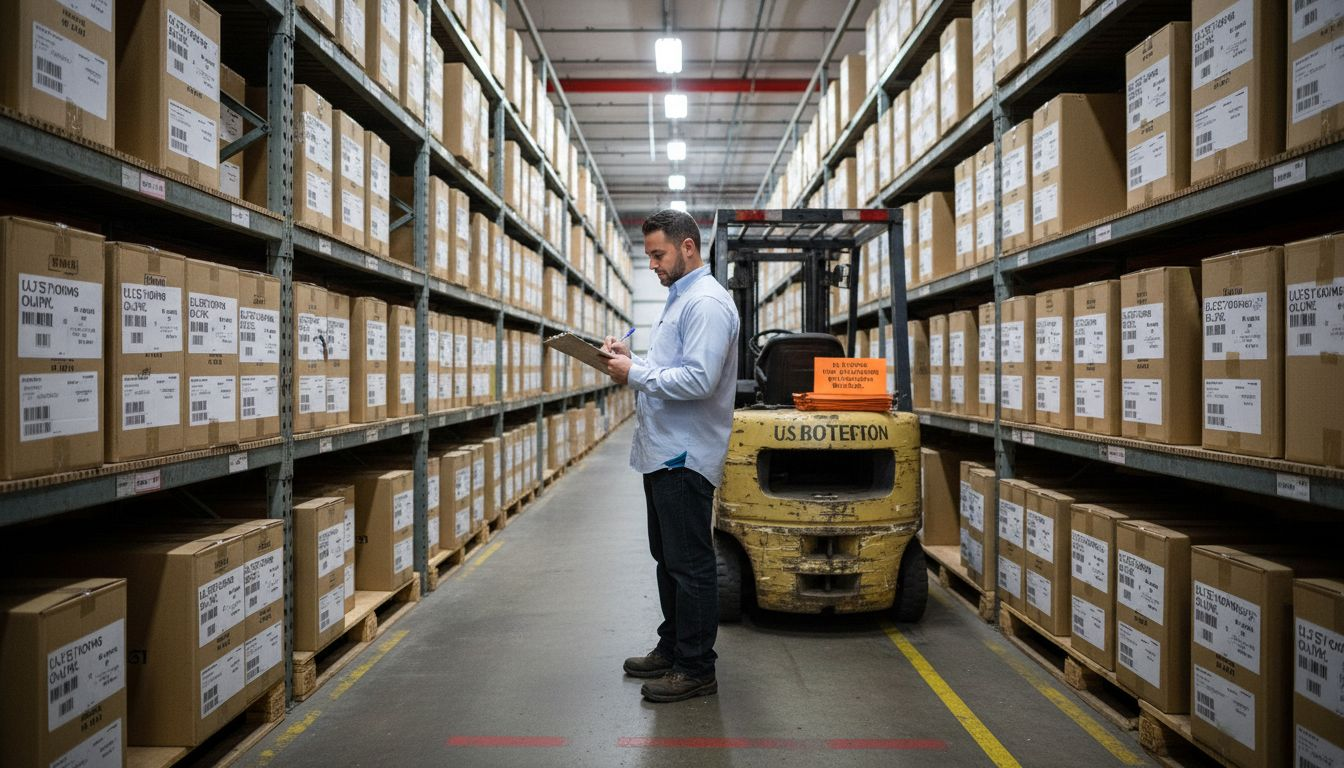
Key operational features of bonded warehousing include comprehensive inventory tracking, secure storage, and the ability to perform minor product alterations or repackaging while goods remain in customs-controlled status. Ecommerce businesses can leverage these facilities to streamline international supply chains, reduce upfront costs, and maintain greater financial agility. The system essentially acts as a strategic buffer, allowing companies to optimize their import processes while maintaining full compliance with U.S. customs regulations.
Pro tip: Develop a comprehensive digital inventory management system that integrates seamlessly with your bonded warehouse to track product movements, compliance requirements, and duty assessment in real-time.
Legal Requirements and Compliance Factors
Navigating the complex landscape of bonded warehousing requires meticulous attention to comprehensive legal application processes. Ecommerce businesses must submit detailed documentation to port directors, including precise information about warehouse location, construction specifications, intended use, and comprehensive security measures that demonstrate full compliance with U.S. customs regulations.
The application process demands rigorous documentation, including detailed blueprints, fire insurance evidence, and comprehensive inventory control systems. Businesses must provide exhaustive information about facility infrastructure, including officer details, financial interests, and specific security protocols. Each warehouse must obtain necessary bonds to protect government interests, ensuring that potential financial risks are mitigated through formal guarantees.
Compliance extends beyond initial approval. Ecommerce businesses operating bonded warehouses must maintain meticulous recordkeeping, implement robust inventory tracking systems, and adhere to strict manufacturing guidelines. This includes following approved formulas for product modifications, maintaining secure storage environments, and providing real-time documentation that allows customs officials to monitor inventory movements, transformations, and potential duty assessments. Continuous regulatory compliance is not optional but a fundamental requirement for maintaining bonded warehouse status.
Pro tip: Invest in a specialized compliance management system that automatically tracks regulatory changes, generates required documentation, and provides real-time alerts for potential compliance issues.
Costs, Risks, and Common Pitfalls
Bonded warehousing presents a complex financial landscape where ecommerce businesses must carefully navigate multiple operational and regulatory expenses. The initial costs encompass substantial investments including securing surety bonds, reimbursing customs for supervisory labor, maintaining secure facility infrastructure, and implementing comprehensive compliance tracking systems that meet stringent government requirements.
Technological transformation introduces additional financial complexities. Ecommerce businesses face significant challenges in balancing technological investment with operational flexibility, including substantial capital expenditures for automation, potential data integration risks, and workforce skill development. The transition to advanced bonded warehouse systems demands strategic financial planning, with potential risks including technological implementation failures, compliance disruptions, and unexpected operational expenses that can substantially impact overall business profitability.

The most critical risks revolve around potential regulatory non-compliance. Businesses can face severe penalties including complete revocation of bonded warehouse status, financial liability for inventory losses, and potential legal complications. Operational risks extend beyond financial considerations, encompassing potential inventory management challenges, customs inspection complications, and the intricate balance between maintaining regulatory adherence and maintaining efficient international supply chain operations.
The following table summarizes common risks for ecommerce businesses with bonded warehousing and recommended strategies to mitigate them:
| Risk Area | Business Impact | Preventive Strategy |
|---|---|---|
| Regulatory non-compliance | Penalties, license loss | Invest in compliance software |
| Inventory mismanagement | Stockouts or overstock costs | Use digital tracking systems |
| Tech implementation failures | Increased costs, delayed operations | Hire expert integration teams |
| Customs inspection delays | Disrupted supply chain flow | Maintain transparent records |
Pro tip: Develop a comprehensive financial risk assessment model that includes contingency budgets for technological upgrades, compliance training, and potential regulatory adaptation expenses.
Optimize Your Ecommerce Compliance with Reliable Courier Services and Streamlined Warehousing
Managing bonded warehousing for ecommerce brings complex challenges like strict legal compliance, financial risks, and detailed inventory tracking. The pain of navigating customs regulations while trying to maintain cash flow and operational flexibility can overwhelm growing businesses. This is where trusted logistics partners make a crucial difference. At or-ner.com, we understand the importance of seamless cross-border operations, especially when dealing with customs-controlled inventory and duty deferment.
Our platform offers reliable courier services combined with an integrated warehousing network designed for ecommerce sellers. You gain access to real-time shipment tracking, customs clearance support, and flexible fulfillment solutions that align with bonded warehousing requirements. Let us help you reduce compliance risks, manage your inventory effortlessly, and improve cash flow through smart logistics tailored to international trade.
Discover how or-ner.com can empower your ecommerce business to conquer customs complexities and unlock new growth opportunities. Take control of your supply chain and schedule a demo today to experience end-to-end logistics solutions designed with your bonded warehousing needs in mind. Visit or-ner.com now to get started.
Frequently Asked Questions
What is bonded warehousing and how does it benefit ecommerce businesses?
Bonded warehousing allows ecommerce businesses to store imported goods in customs-controlled facilities without paying import duties immediately. This provides significant financial flexibility and lets businesses manage their cash flow more effectively.
What are the different types of bonded warehouses?
There are several types of bonded warehouses including Class 1 (government storage for examination), Class 3 (public warehouses), Class 6 (manufacturing bonded warehouses), and Class 9 (duty-free stores), each serving different operational purposes for handling imported goods.
How does bonded warehousing work for ecommerce inventory management?
When goods arrive at a bonded warehouse, they are under customs supervision. Ecommerce businesses can store goods without immediate duty payments, manage inventory, perform minor modifications, and even re-export items, enhancing operational efficiency and compliance.
What are the compliance requirements for operating a bonded warehouse?
Compliance requires meticulous recordkeeping, detailed documentation, adherence to manufacturing guidelines, and maintaining secure storage. Ecommerce businesses must ensure all operations align with U.S. customs regulations to retain bonded warehouse status.