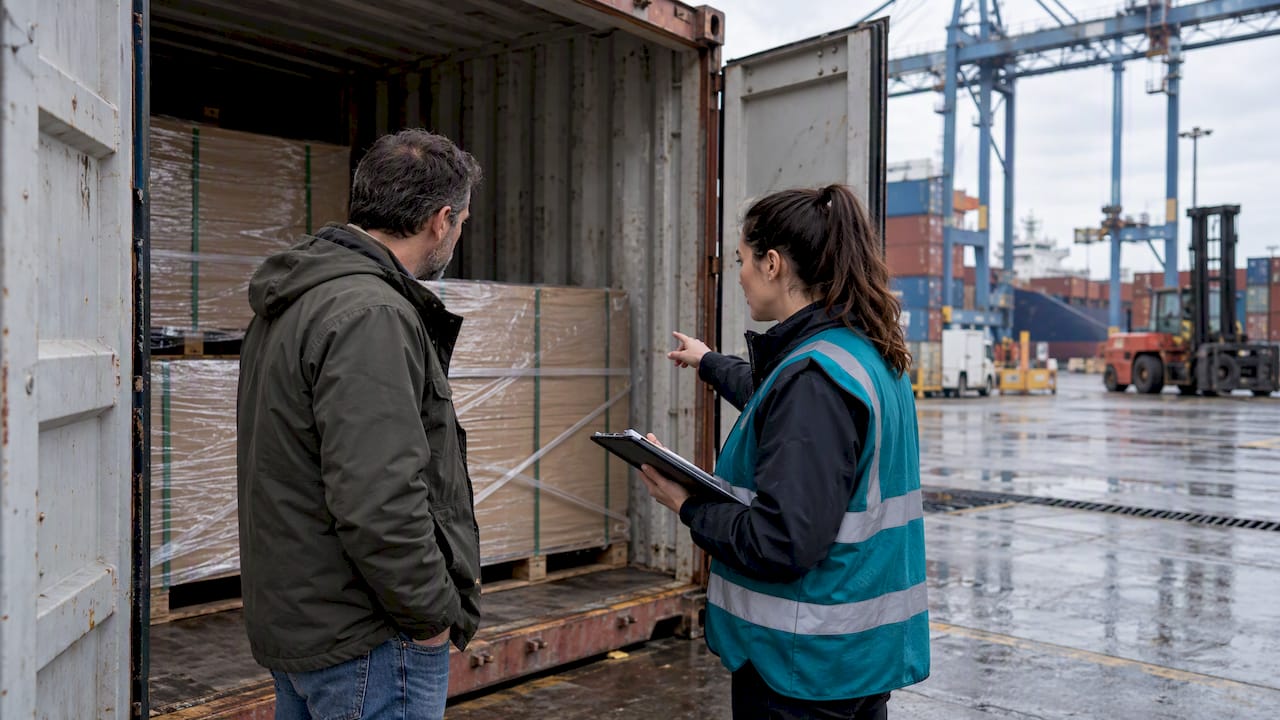
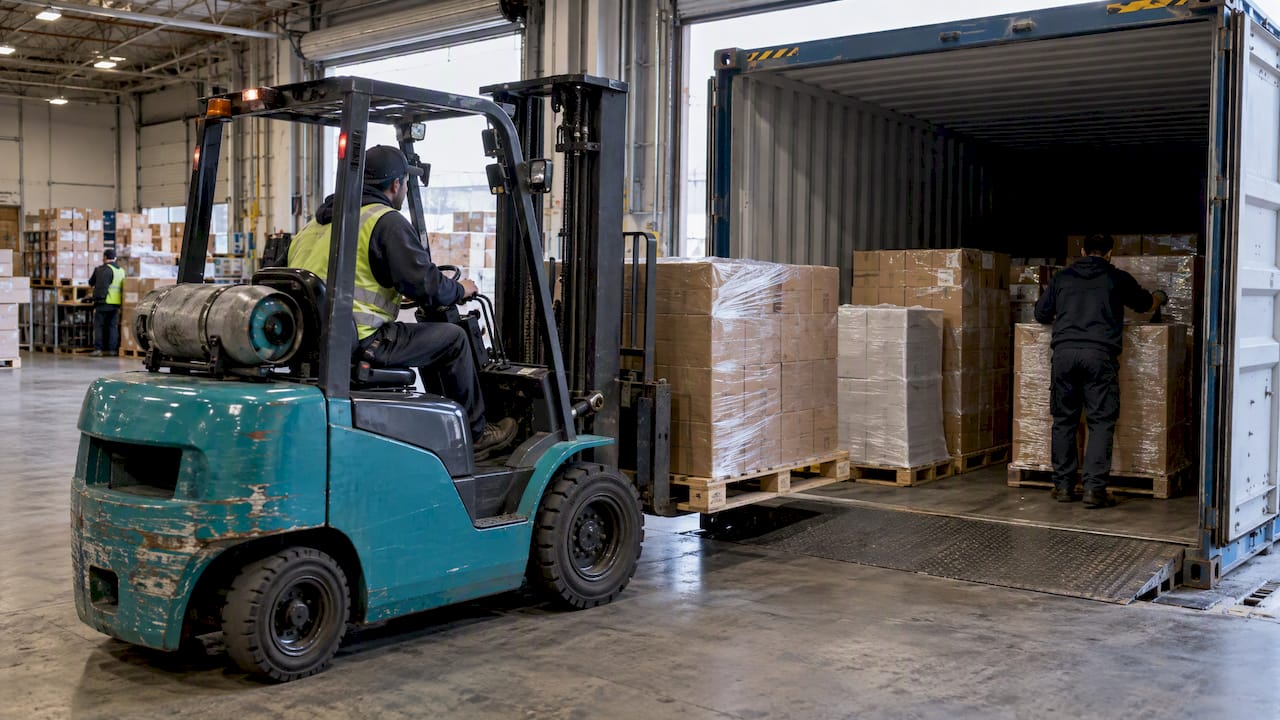
Over 60 percent of American importers rely on bonded warehouses to cut costs and drive smoother international shipments. When every cross-border delivery comes with challenges, finding smarter ways to manage your inventory can set you apart in a crowded market. Discover how American ecommerce logistics managers use bonded warehouses to tighten control of goods, delay duty payments, and create a safer system for handling imported products.
Table of Contents
- Bonded Warehouses And Their Core Purpose
- Types Of Bonded Warehouses In The US
- How Bonded Warehousing Operates
- Legal Framework And Customs Regulations
- Costs, Compliance, And Common Errors
Key Takeaways
| Point | Details |
|---|---|
| Purpose of Bonded Warehouses | Bonded warehouses allow importers to defer duty payments, enhancing cash flow and inventory management. |
| Types of Bonded Warehouses | There are nine classes of bonded warehouses in the U.S., each serving specific logistical needs, from government-owned to duty-free stores. |
| Operational Compliance | Compliance with U.S. Customs regulations is essential for bonded warehouse operations, emphasizing documentation and regulatory adherence. |
| Cost Management | Companies must consider various cost factors, including bonding expenses and compliance fees, to ensure efficient operations. |
Bonded warehouses and their core purpose
A bonded warehouse represents a sophisticated logistics solution designed to streamline international trade operations. Authorized by U.S. Customs and Border Protection, these specialized storage facilities provide importers and exporters with strategic advantages in managing cross-border inventory and financial obligations.
The fundamental purpose of bonded warehouses extends beyond simple storage. These designated areas enable secure storage of imported goods while offering critical financial flexibility. Importers can store merchandise without immediate duty payment, effectively deferring tax liabilities until goods are withdrawn for domestic consumption. This mechanism provides significant cash flow advantages, allowing businesses to optimize their working capital and inventory management strategies.
Key characteristics of bonded warehouses include:
- Secure storage under customs supervision
- Ability to store goods up to five years
- Option to re-export goods without incurring duty charges
- Potential for minor product modifications or repackaging
- Compliance with strict international trade regulations
Pro Tip – Strategic Planning: Before utilizing a bonded warehouse, conduct a comprehensive cost-benefit analysis that evaluates potential duty savings, storage expenses, and inventory holding periods to maximize your financial advantages.
Types of bonded warehouses in the US
The United States Customs regulations recognize a complex and nuanced system of bonded warehouse classifications designed to accommodate diverse international trade requirements. These classifications range from government-owned facilities to specialized storage environments, each serving unique logistical and regulatory purposes for importers and exporters.
The primary bonded warehouse types can be categorized into nine distinct classes, each with specific operational characteristics:
- Class 1: Government-owned premises
- Class 2: Private storage facilities
- Class 3: Public storage warehouses
- Class 4: Specialized yards for bulk commodities
- Class 5: Storage facilities for animals and agricultural products
- Class 6: Manufacturing and processing facilities
- Class 7: Smelting and refining operations
- Class 8: Manipulation warehouses for product modification
- Class 9: Duty-free store operations
Customs regulations in the United States meticulously define these warehouse types to ensure precise control over imported goods, tax management, and international trade compliance. Each classification provides specific permissions for storage, processing, and potential re-exportation of merchandise, allowing businesses to strategically manage their cross-border inventory and financial obligations.
Here’s a summary of bonded warehouse types and their primary business use:
| Warehouse Class | Main Function | Ideal For |
|---|---|---|
| Class 1 | Government-owned secure storage | Sensitive or high-value imports |
| Class 4 | Bulk commodity yard | Raw materials like ores or grain |
| Class 6 | Manufacturing and processing | Firms needing in-warehouse assembly |
| Class 9 | Duty-free retail operations | Airport and seaport retailers |
Pro Tip – Classification Strategy: Work closely with a customs broker to determine the most appropriate bonded warehouse classification for your specific import needs, as selecting the right type can significantly impact duty payments and inventory management efficiency.
How bonded warehousing operates
Bonded warehousing follows a meticulously structured process governed by strict U.S. Customs regulations. The operational framework begins with an extensive application and approval process, where importers and warehouse operators must demonstrate compliance with multiple regulatory requirements before receiving authorization to store imported goods.
The operational cycle involves several critical stages:
- Initial application to U.S. Customs and Border Protection (CBP)
- Facility inspection and bond approval
- Detailed documentation and recordkeeping
- Secure storage under customs supervision
- Permitted merchandise manipulation
- Withdrawal for domestic consumption or export
Warehouse operators must submit comprehensive documentation to the local CBP port director, including precise facility details, location specifications, warehouse classification information, fire safety certifications, and detailed facility blueprints. The port director evaluates these submissions and establishes the required bond amount, which serves as a financial guarantee of regulatory compliance.

Pro Tip – Documentation Preparation: Develop a comprehensive digital filing system that tracks every document, certification, and transaction related to your bonded warehouse operations to streamline CBP interactions and ensure seamless compliance verification.
Legal framework and customs regulations
The legal infrastructure governing bonded warehouses in the United States is complex and comprehensive, rooted in federal statutes and detailed customs regulations. These regulations provide a rigorous framework that ensures proper management, oversight, and operational compliance for importers and warehouse operators across various commercial contexts.
Key legal components of the regulatory framework include:
- Designation and supervision by the U.S. Treasury Department
- Specific bonding requirements for warehouse facilities
- Detailed liability provisions
- Comprehensive recordkeeping mandates
- Precise guidelines for merchandise manipulation
- Clear protocols for duty assessment and collection
Comprehensive customs regulations in 19 CFR Part 19 establish intricate rules governing every aspect of bonded warehouse operations. These regulations serve multiple critical objectives: protecting government revenue, managing import risk, ensuring operational transparency, and providing a structured environment for international trade activities. The framework balances operational flexibility for businesses with robust governmental oversight, creating a systematic approach to managing imported merchandise.
Pro Tip – Regulatory Compliance: Engage a specialized customs attorney or trade compliance consultant annually to conduct a comprehensive review of your bonded warehouse operations, ensuring ongoing alignment with the most current federal regulations and minimizing potential compliance risks.
Costs, compliance, and common errors
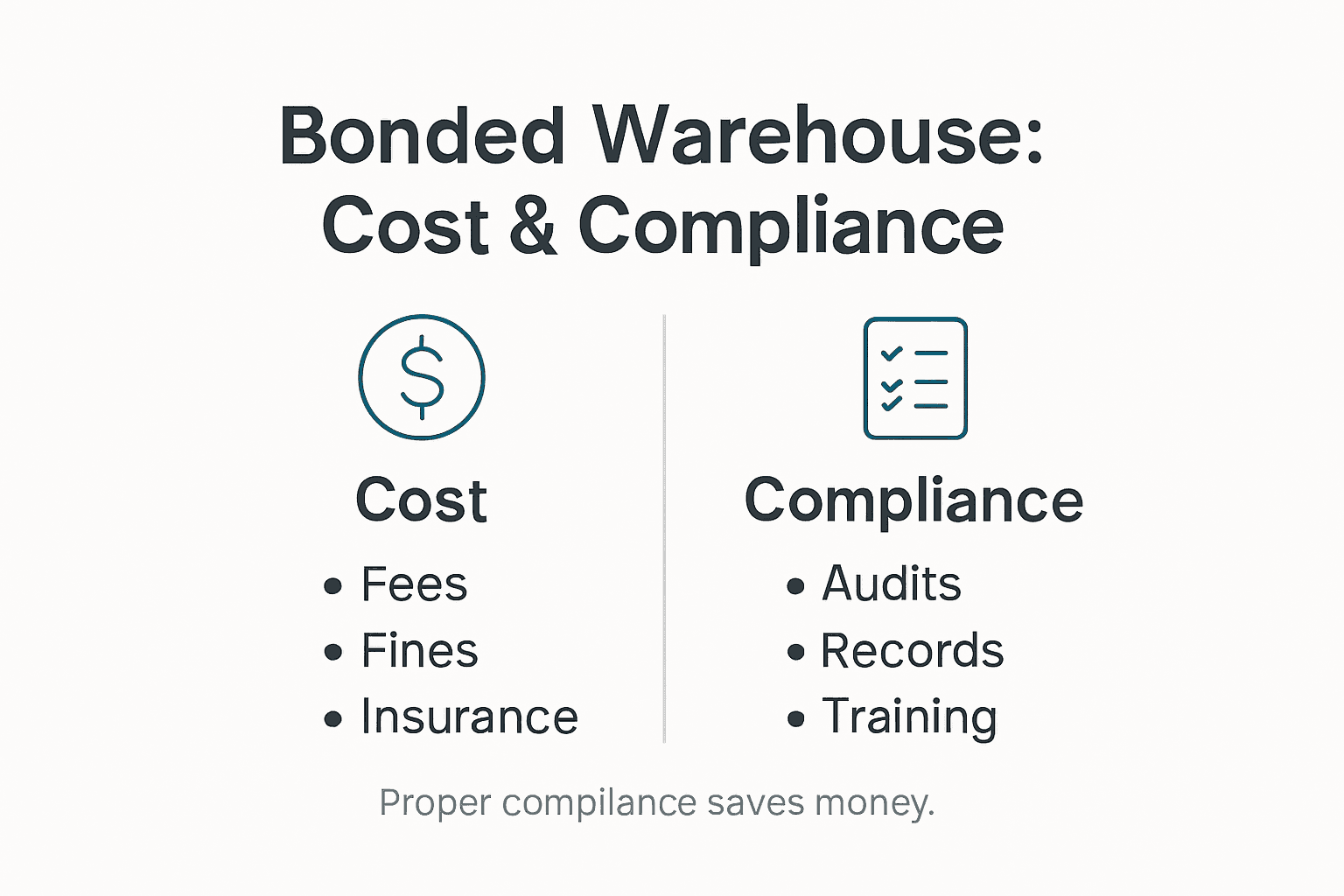
Operating a bonded warehouse involves navigating a complex landscape of financial and regulatory obligations. The implementation requires substantial upfront and ongoing investments, including facility setup, compliance infrastructure, and continuous operational maintenance that can significantly impact a company’s logistics budget.
Key cost and compliance considerations include:
- Initial facility bonding expenses
- Comprehensive customs supervision fees
- Fire safety and security infrastructure investments
- Advanced inventory tracking systems
- Ongoing recordkeeping and documentation management
- Compliance training for warehouse personnel
U.S. customs regulations outline multiple potential compliance pitfalls that can lead to severe financial penalties and operational disruptions. The most common errors experienced by warehouse operators involve incomplete documentation, inadequate inventory tracking, improper goods manipulation, and failure to maintain precise records. These mistakes can trigger intense regulatory scrutiny, potentially resulting in significant financial penalties, temporary operational suspension, or complete revocation of bonded warehouse authorization.
The following table highlights common bonded warehouse errors and the impact on operations:
| Error Type | Business Impact | Prevention Method |
|---|---|---|
| Incomplete documentation | Approval delays and penalty risk | Automated compliance reminders |
| Poor inventory tracking | Lost goods, audit challenges | Digital inventory management tools |
| Unauthorized manipulation | Operational suspension or penalties | Employee compliance training |
| Lax recordkeeping | Increased regulatory scrutiny | Regular internal audits |
Pro Tip – Error Prevention: Implement a robust digital compliance management system that automatically flags potential documentation inconsistencies and provides real-time alerts for potential regulatory deviations before they become critical issues.
Enhance Your Cross-Border Storage with Seamless Logistics Solutions
Managing bonded warehouses demands precise compliance, efficient inventory tracking, and secure storage under customs supervision to maximize duty deferral and optimize cash flow. Challenges such as documentation errors and regulatory complexity can disrupt operations and increase costs. At or-ner.com, we understand these pain points and offer tailored logistics services that support bonded warehousing needs with reliable courier services, real-time shipment tracking, and integrated customs clearance.
Take control of your international supply chain today. Visit or-ner.com to access end-to-end warehousing and fulfillment solutions designed for cross-border trade. Streamline your operations with trusted expertise and advanced tools that help prevent compliance pitfalls, improve inventory management, and accelerate delivery. Get started now to ensure your bonded warehouse strategy works smarter and faster.
Frequently Asked Questions
What is the primary purpose of a bonded warehouse?
A bonded warehouse allows importers to securely store goods while deferring duty payments until those goods are withdrawn for domestic consumption. This financial flexibility helps optimize cash flow and inventory management.
What are the types of bonded warehouses available?
Bonded warehouses can be classified into nine types based on their functions, including government-owned warehouses, private storage facilities, public storage warehouses, and specialized storage for bulk commodities and manufacturing processing.
How do I ensure compliance when operating a bonded warehouse?
Ensuring compliance requires thorough documentation, regular recordkeeping, and adherence to customs regulations. Engaging a customs attorney or trade compliance consultant for annual reviews can help minimize risks and ensure alignment with current laws.
What are the common errors to avoid when managing a bonded warehouse?
Common errors include incomplete documentation, poor inventory tracking, unauthorized manipulation of goods, and lax recordkeeping. Implementing a robust digital compliance management system can help prevent these mistakes and maintain regulatory compliance.