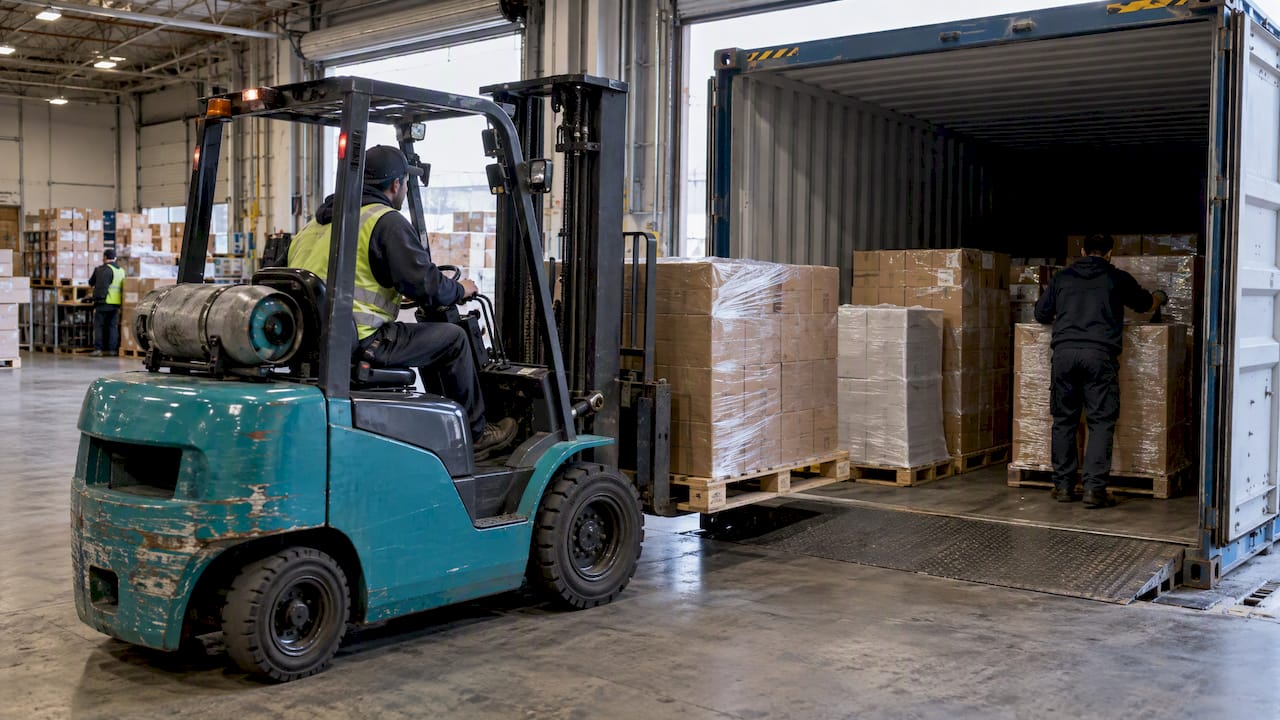
More than 80 percent of leading companies report significant gains in efficiency and profit after fully integrating their supply chains. In a world where rapid shifts and disruptions are common, businesses need smarter ways to connect operations and streamline collaboration. Understanding the true benefits of supply chain integration can give organizations the edge they need to reduce costs, improve visibility, and stay ahead in a fast-changing market.
Table of Contents
- Defining Supply Chain Integration Benefits
- Key Types of Supply Chain Integration
- How Integration Enhances Logistics Efficiency
- Cost Savings and Financial Impacts
- Mitigating Risks and Improving Visibility
Key Takeaways
| Point | Details |
|---|---|
| Strategic Supply Chain Integration | Successful integration aligns internal and external processes, enhancing overall organizational performance and competitive advantage. |
| Types of Integration | Organizations can implement internal, external, horizontal, vertical, technological, and relational integrations for optimized collaboration and efficiency. |
| Logistics Efficiency Improvement | Integration enhances logistics through real-time visibility, predictive analytics, and automated processes, significantly boosting operational responsiveness. |
| Financial Benefits | Supply chain integration leads to cost reductions, working capital optimization, and improved customer satisfaction, transforming financial performance into a proactive strategy. |
Defining Supply Chain Integration Benefits
Supply chain integration represents a strategic approach where businesses synchronize and align their operational processes, technologies, and collaborative efforts across multiple organizational boundaries. According to research from aasmr, this approach leads to substantial improvements in organizational performance through enhanced internal and external integration mechanisms.
At its core, supply chain integration involves creating seamless connections between different operational segments – from procurement and manufacturing to distribution and final delivery. The primary goal is breaking down traditional silos that historically prevented smooth information exchange and collaborative decision-making. Research from fbj highlights that successful integration depends on three critical factors:
- Technological interconnectivity
- Organizational trust
- Collaborative communication protocols
The benefits of comprehensive supply chain integration extend far beyond simple operational efficiency. By implementing robust integration strategies, businesses can unlock significant competitive advantages such as:
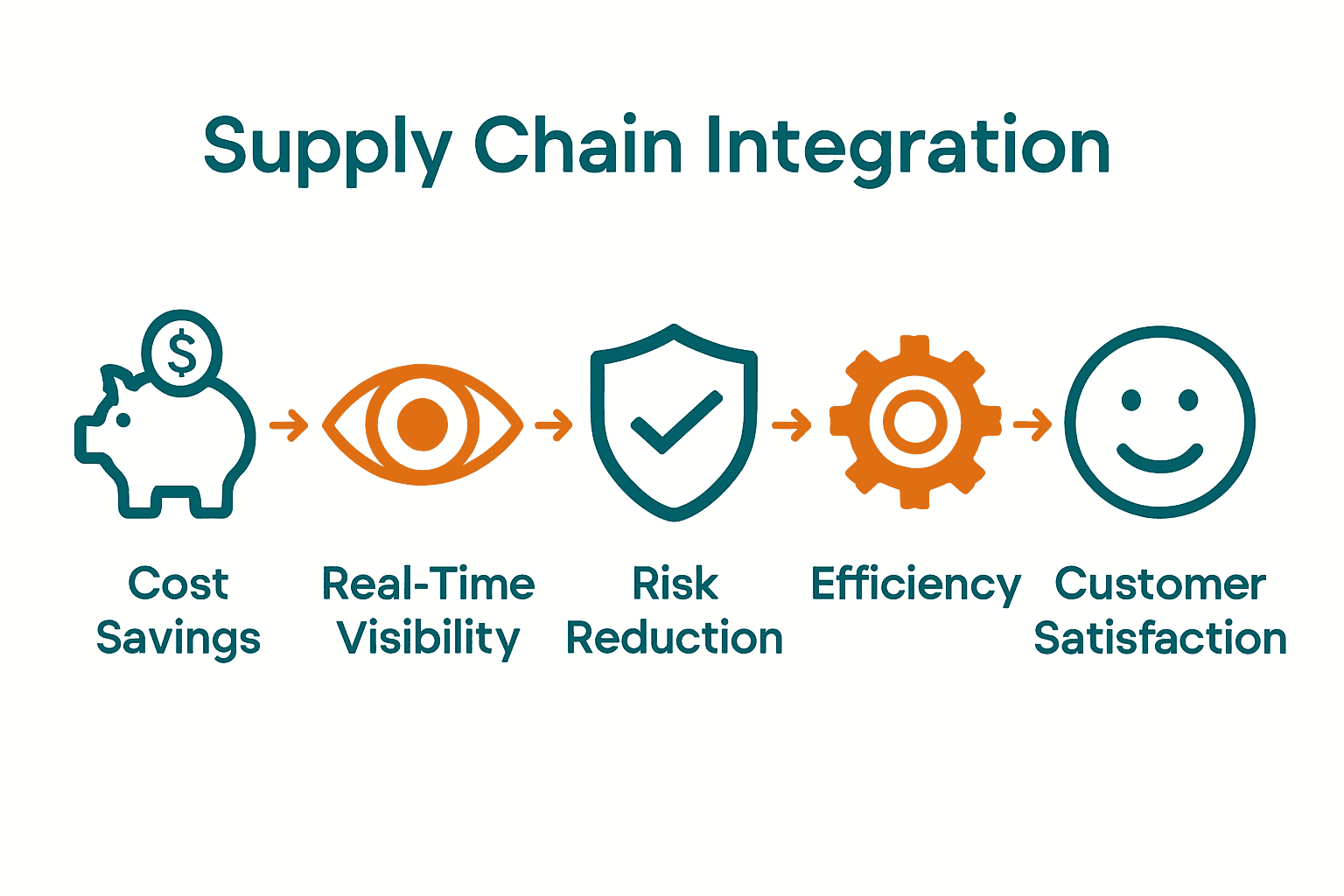
- Reduced operational costs
- Enhanced real-time visibility
- More responsive decision-making
- Improved customer satisfaction
- Greater supply chain resilience
Moreover, modern supply chain integration isn’t just about connecting systems – it’s about creating an intelligent, adaptive network that can quickly respond to market changes, disruptions, and emerging opportunities. The most successful organizations view integration not as a one-time project, but as an ongoing strategic initiative that continuously evolves with technological advancements and market dynamics.
Key Types of Supply Chain Integration
Supply chain integration is not a monolithic concept, but rather a multifaceted approach with distinct types that organizations can strategically implement. According to research from mdpi, supply chain integration can be comprehensively categorized into several critical dimensions that collectively enhance organizational performance and resilience.
Internal Integration
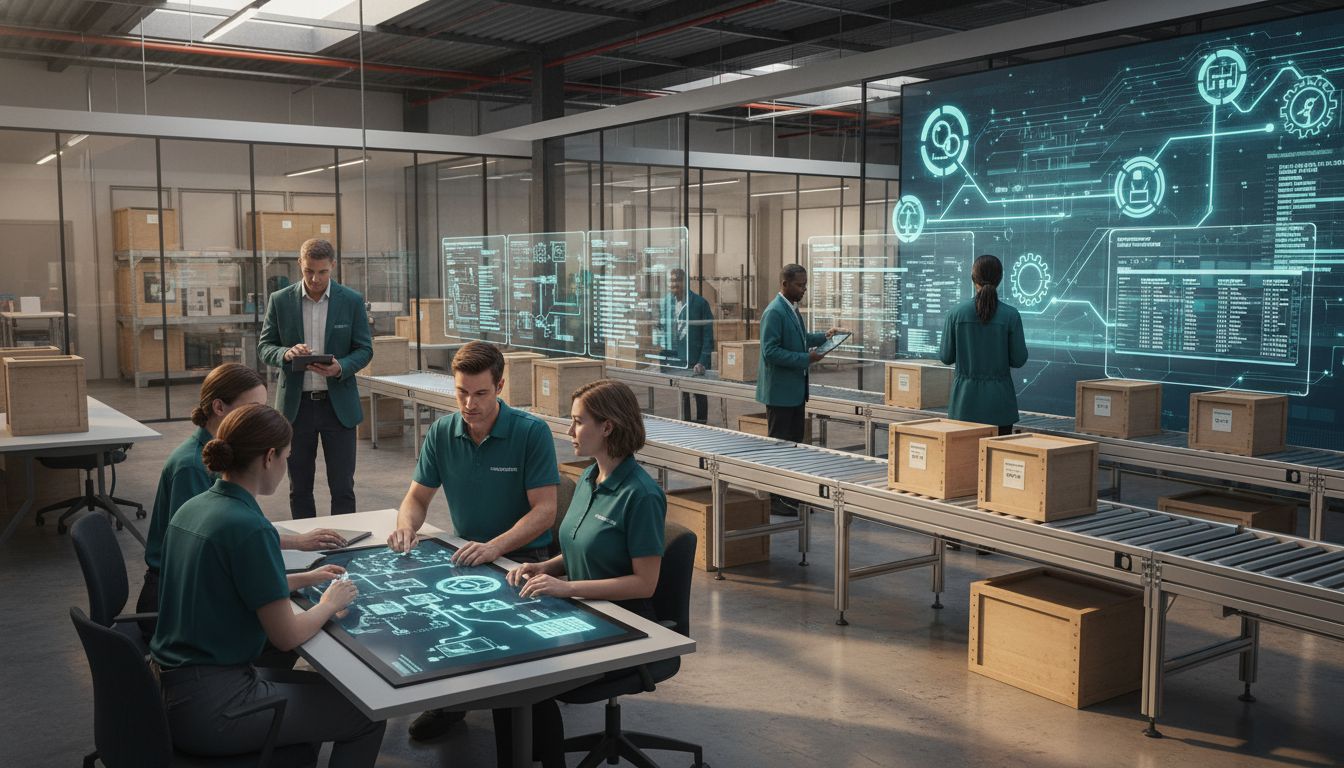
Internal integration represents the foundational approach where different departments within an organization align their processes, communication, and technological systems. This type focuses on breaking down internal silos between functions like procurement, manufacturing, logistics, and sales. By creating seamless cross-functional workflows, businesses can dramatically improve operational efficiency and reduce potential communication gaps.
External Integration
External integration extends the collaborative approach beyond organizational boundaries, encompassing strategic relationships with suppliers, customers, and other key stakeholders. Research from mdpi emphasizes that successful external integration leads to sustainable competitive advantages by fostering trust, sharing critical information, and creating more responsive supply chain networks.
The primary types of supply chain integration include:
- Horizontal Integration: Collaboration with entities at similar stages of the supply chain
- Vertical Integration: Coordinating activities across different stages of production and distribution
- Technological Integration: Implementing shared digital platforms and communication systems
- Relational Integration: Building trust-based partnerships with supply chain partners
Successful supply chain integration requires a holistic approach that balances technological capabilities, human relationships, and strategic alignment. Organizations must view integration not as a static implementation, but as a dynamic, ongoing process that continuously adapts to changing market conditions and technological innovations.
How Integration Enhances Logistics Efficiency
Logistics efficiency is fundamentally transformed through strategic supply chain integration, enabling organizations to streamline operations and respond rapidly to dynamic market demands. According to research from arxiv, emerging technologies like artificial intelligence and machine learning are playing a critical role in supporting advanced decision-making processes that dramatically enhance logistics performance.
Technological Enablement
Technological integration stands at the forefront of logistics efficiency improvements. By implementing interconnected digital platforms, businesses can create real-time visibility across their entire supply chain network. Research indicates that multi-agent systems offer innovative solutions for distributed logistics environments, allowing for more adaptive and responsive operational strategies.
Key mechanisms through which integration enhances logistics efficiency include:
- Predictive Analytics: Forecasting demand and anticipating potential disruptions
- Automated Routing: Optimizing transportation and delivery pathways
- Real-Time Tracking: Providing instantaneous shipment and inventory insights
- Collaborative Planning: Enabling synchronized decision-making across organizational boundaries
The impact of comprehensive integration extends beyond immediate operational improvements.
By creating interconnected ecosystems that leverage advanced technologies, organizations can achieve:
- Reduced transportation costs
- Minimized inventory holding expenses
- Improved delivery speed and reliability
- Enhanced risk management capabilities
- Greater overall supply chain responsiveness
Modern logistics efficiency is not just about moving goods faster – it’s about creating intelligent, adaptive networks that can dynamically adjust to changing market conditions, customer expectations, and technological innovations. Dive deeper into digital transformation strategies to understand how cutting-edge technologies are reshaping logistics integration.
Cost Savings and Financial Impacts
Supply chain integration represents a strategic approach to achieving substantial financial benefits and operational cost reductions across organizational ecosystems. According to research from arxiv, the adoption of advanced traceability technologies within supply chain networks can directly translate into measurable cost savings and improved financial performance.
Direct Cost Reduction Strategies
Financial optimization through supply chain integration involves multiple sophisticated mechanisms that systematically eliminate unnecessary expenses. By implementing advanced technologies and collaborative frameworks, organizations can significantly reduce operational overhead. Research from arxiv highlights how emerging technologies like artificial intelligence can not only mitigate potential cyber risks but also generate substantial financial benefits through intelligent risk management.
Key financial advantages of supply chain integration include:
- Inventory Cost Minimization: Reducing holding and warehousing expenses
- Transportation Expense Optimization: Streamlining logistics and routing
- Procurement Efficiency: Negotiating better terms through consolidated purchasing
- Operational Risk Reduction: Minimizing potential financial disruptions
The quantifiable financial impacts can be categorized into primary areas:
- Direct Cost Savings (15-30% reduction in operational expenses)
- Working Capital Optimization
- Reduced Inventory Carrying Costs
- Enhanced Revenue Through Improved Customer Satisfaction
- Faster Cash Conversion Cycles
Ultimately, successful supply chain integration transforms financial performance from a reactive cost management approach to a proactive value creation strategy. Explore advanced supply chain integration strategies to unlock your organization’s full financial potential.
Mitigating Risks and Improving Visibility
Supply chain risk management has evolved from a reactive approach to a proactive strategic capability that enables organizations to anticipate, prevent, and rapidly respond to potential disruptions. According to research from mdpi, supply chain resilience has become a critical organizational competency that helps enterprises recover quickly from unexpected challenges and maintain operational continuity.
Advanced Risk Management Strategies
Visibility enhancement plays a crucial role in comprehensive risk mitigation. By implementing sophisticated technological solutions, businesses can create transparent, real-time monitoring systems that provide unprecedented insights into potential vulnerabilities. Research from arxiv demonstrates how artificial intelligence and machine learning are revolutionizing predictive risk analytics, enabling organizations to identify and address potential threats before they escalate.
Key risk mitigation and visibility improvement strategies include:
- Predictive Analytics: Forecasting potential disruptions using advanced data modeling
- Real-Time Monitoring: Implementing continuous tracking and alert systems
- Scenario Planning: Developing comprehensive contingency frameworks
- Technological Integration: Leveraging AI and machine learning for risk detection
The primary risk domains that benefit from enhanced visibility encompass:
- Supplier Performance Risks
- Geopolitical and Economic Uncertainties
- Cybersecurity Threats
- Logistics and Transportation Disruptions
- Inventory and Demand Fluctuations
Successful risk management is no longer about avoiding risks entirely, but about building adaptive, resilient systems that can quickly respond and pivot when challenges emerge. Learn more about comprehensive supply chain risk management to transform potential vulnerabilities into strategic opportunities.
Unlock the Full Potential of Your Supply Chain with Reliable Courier Services
The article highlights how supply chain integration brings critical benefits like enhanced visibility, cost savings, and risk mitigation. If you are struggling with operational silos, delayed shipments, or lack of transparency, these challenges can hold back your ecommerce growth and customer satisfaction. Effective integration means connecting your internal workflows and external partners to build a cohesive, agile supply chain.
At or-ner.com, we understand these pain points and offer tailored solutions for ecommerce sellers and businesses seeking reliable courier services and end-to-end logistics support. From real-time shipment tracking to seamless cross-border logistics and inventory management, our platform empowers you to reduce costs, improve delivery speed, and gain the visibility your operations demand.
Optimize your supply chain today by partnering with a logistics platform designed for dynamic ecommerce needs. Visit or-ner.com to explore how our integrated tools speed up freight booking, streamline warehouse management, and provide intelligent analytics for smarter decision-making. Don’t wait for disruptions to happen. Take control now and ensure your supply chain works as hard as you do.
Discover more about how to enhance your logistics efficiency and explore our comprehensive supply chain solutions.
Frequently Asked Questions
What is supply chain integration?
Supply chain integration is a strategic approach where businesses align and synchronize operational processes, technologies, and collaboration across various organizational boundaries to improve overall performance.
What are the main benefits of supply chain integration?
The main benefits include reduced operational costs, enhanced real-time visibility, more responsive decision-making, improved customer satisfaction, and greater supply chain resilience.
How does supply chain integration enhance logistics efficiency?
Supply chain integration enhances logistics efficiency by enabling real-time visibility, optimizing transportation routes, facilitating automated routing, and utilizing predictive analytics for demand forecasting.
What are the key types of supply chain integration?
The key types of supply chain integration include internal integration, external integration, horizontal integration, vertical integration, and technological integration, each focused on improving collaboration and efficiency across different organizational segments.