TL;DR:
- Same-day fulfillment delivers customer orders within the same day, boosting satisfaction and increasing purchase impulse. It reduces inventory costs and improves warehouse efficiency by encouraging faster stock turnover and better layout planning. Implementing it strategically can create a competitive advantage in urgent product categories while requiring careful logistics and communication planning.
Same-day fulfillment is the process of picking, packing, and delivering a customer’s order within the same calendar day the order is placed. The benefits of same-day fulfillment extend well beyond speed: ecommerce businesses that implement it report stronger conversion rates, lower cart abandonment, and measurably higher customer satisfaction. For logistics managers, the operational case is equally compelling. Faster shipping cycles reduce inventory holding costs and free up warehouse space. This article breaks down every major advantage, the practical challenges to plan for, and the product categories where same-day delivery creates the most value.
1. How same-day fulfillment improves customer experience and satisfaction
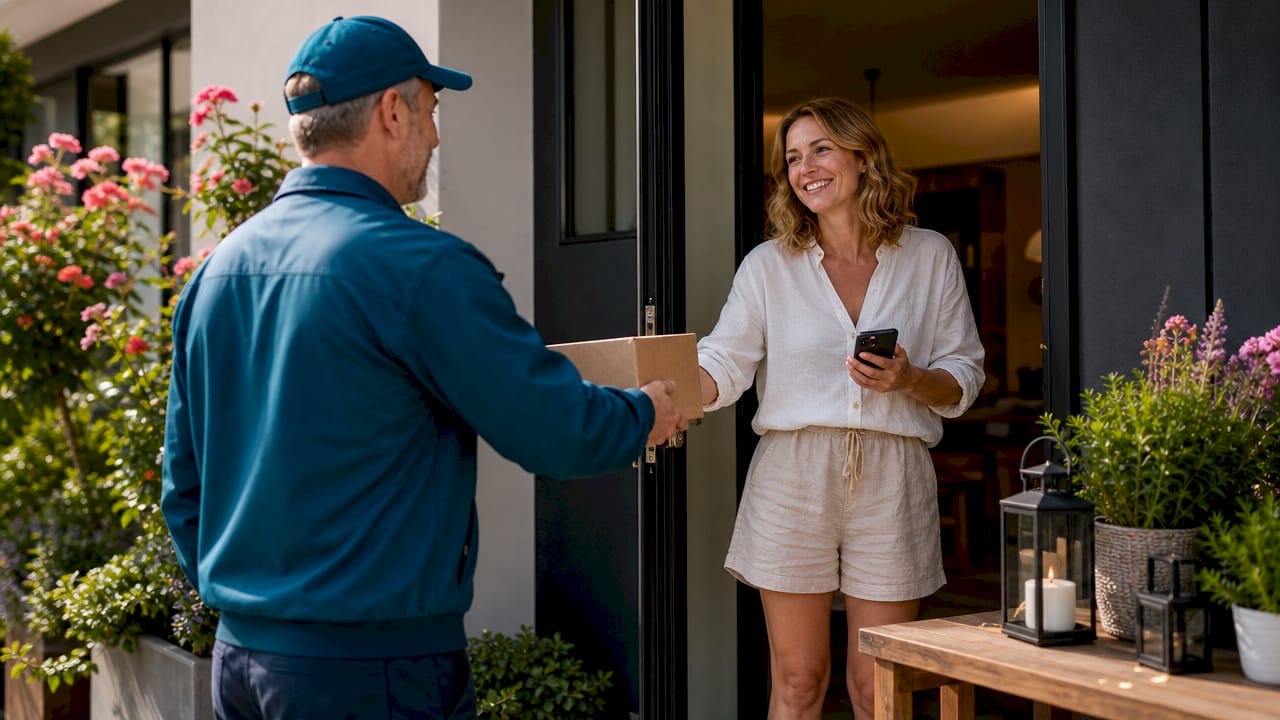
Customer satisfaction with quick delivery is not a soft metric. Instant gratification drives repeat purchases, and same-day delivery is the clearest signal a brand can send that it respects the customer’s time.
The most direct benefit is the elimination of order anxiety. When a customer places an order and receives it the same day, the window for doubt, second-guessing, or cancellation closes fast. Real-time tracking and scheduled delivery windows reduce missed deliveries and build the kind of trust that turns first-time buyers into repeat customers.
Same-day order processing also changes buying behavior in ways that favor the seller. Customers who know delivery is immediate are more likely to act on impulse. A shopper browsing during a flash sale does not hesitate when they know the item arrives today. That behavioral shift directly lifts average order value and purchase frequency.
A less obvious benefit is the drop in customer service volume. Faster shipping reduces the flood of “Where is my order?” inquiries that drain support teams. Fewer inbound tickets mean lower support costs and faster resolution times for the issues that do come in.
- Customers receive orders before doubt or buyer’s remorse sets in.
- Impulse and emergency purchases become viable for the first time.
- Support ticket volume drops when delivery windows are short and predictable.
- Trust compounds over time when delivery promises are consistently kept.
Pro Tip: Set a hard order cutoff time, such as 1:00 PM, and display it prominently at checkout. Visible urgency, like “Order by 1 PM for same-day delivery,” converts browsers into buyers faster than any discount.
2. What operational efficiencies same-day fulfillment creates
Same-day fulfillment is not just a customer-facing feature. It forces internal discipline that improves the entire operation.
Faster shipping cycles mean goods spend less time in warehouses, which directly reduces inventory holding costs. When stock moves out the same day it is picked, you carry less dead inventory and free up capital that would otherwise sit on shelves. This is the core logic behind lean inventory models: the faster you ship, the less buffer stock you need.
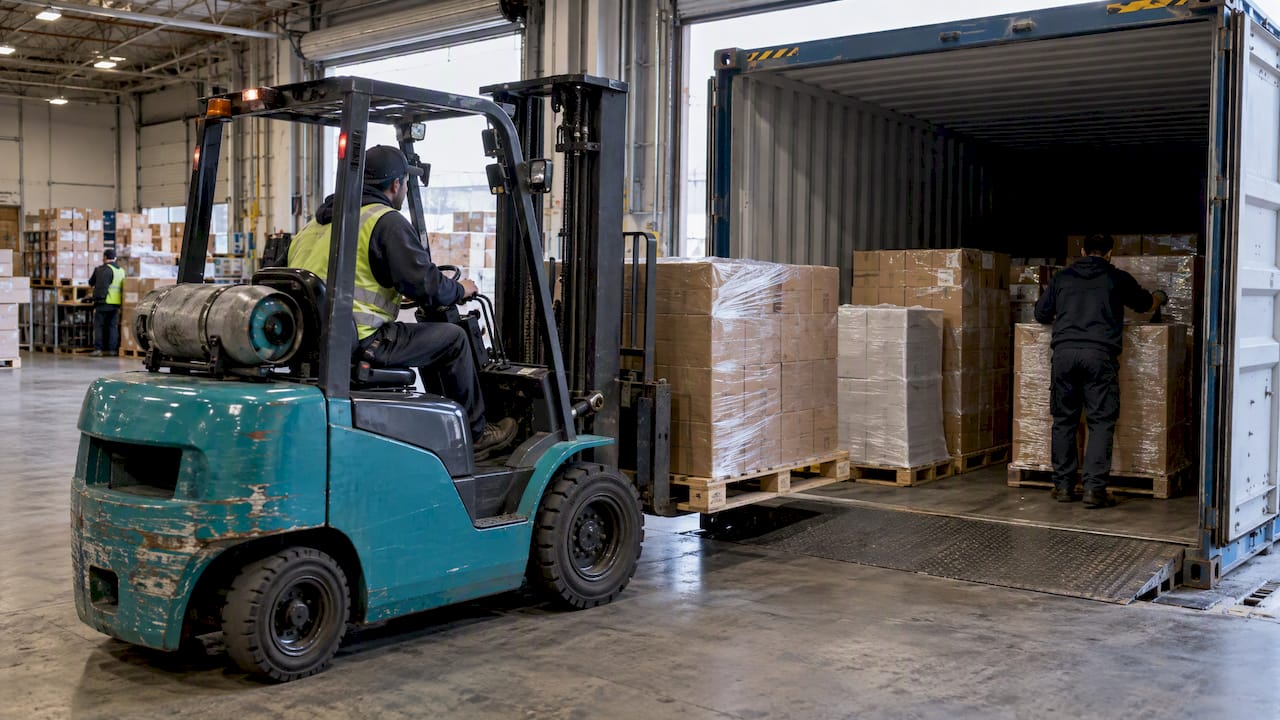
Warehouse layout also improves under same-day pressure. Fulfillment teams must organize pick paths, staging areas, and packing stations for speed. That discipline produces a more efficient floor plan that benefits all order types, not just same-day. Or-ner’s guidance on warehouse layout planning outlines how spatial decisions directly affect throughput speed.
- Inventory turnover accelerates, reducing the cost of carrying slow-moving stock.
- Warehouse space gets reorganized around speed, which benefits all fulfillment tiers.
- Picking errors drop when processes are tightened for same-day accuracy requirements.
- Demand forecasting improves because faster cycles surface stockout risks sooner.
Pro Tip: Slot your fastest-moving SKUs closest to packing stations. This single layout change can cut average pick time significantly without any technology investment.
3. What competitive advantages same-day delivery creates
Same-day delivery is a direct conversion tool. Faster delivery options incentivize impulse purchases during limited-time sales and festive seasons, which means the brands offering it capture revenue that slower competitors simply do not see.
The competitive positioning effect is equally powerful. Offering same-day delivery signals that your brand is operationally capable and customer-focused. Customers who have experienced same-day delivery from one seller raise their expectations for every seller. Brands that meet that expectation earn loyalty. Brands that do not lose repeat business to those that do.
Purchase frequency also increases. A customer who knows they can get an item today is more likely to buy smaller quantities more often, rather than batching orders to justify shipping wait times. That behavior increases lifetime customer value and gives you more data points to personalize future offers.
Meeting elevated consumer expectations for delivery speed is no longer optional for brands competing in categories where urgency matters. Same-day fulfillment services create a defensible advantage that is hard for slower competitors to replicate quickly, because it requires operational infrastructure, not just a policy change.
4. Practical challenges to plan for before you launch
Same-day fulfillment can negatively impact the overall customer experience if it is treated as a marketing add-on rather than an operational commitment. The most common failure mode is launching same-day without adjusting the warehouse, staffing, or carrier relationships to support it.
Inventory positioning is the first pressure point. If your fastest-selling products are not stocked at a location close to your customers, same-day delivery becomes logistically impossible or prohibitively expensive. Businesses that assess same-day delivery feasibility before launch avoid the costly mistake of promising a service they cannot reliably deliver.
Effective communication between retailers and delivery providers is the second critical factor. Small coordination failures, such as a missed pickup window or an unclear handoff process, escalate into failed deliveries and customer complaints. Constant coordination between your fulfillment team and your courier is not optional.
| Challenge | What to address |
|---|---|
| Inventory positioning | Stock high-velocity SKUs at locations near your customer base |
| Carrier coordination | Establish clear pickup windows and escalation contacts |
| Staffing peaks | Schedule dedicated same-day pickers during high-order periods |
| Order cutoff management | Set and enforce a hard cutoff time to protect fulfillment accuracy |
| Cost control | Offer same-day as a paid premium tier to offset carrier costs |
The same-day delivery challenges guide from Or-ner covers these operational pressure points in detail for ecommerce businesses planning their first rollout.
5. Which industries and product types gain the most from same-day delivery
Same-day delivery holds premium value for products with high emotional or practical stakes. Customers perceive diminishing value beyond next-day delivery for generic, non-urgent products. But for the right categories, same-day is not a convenience. It is a requirement.
The product categories that benefit most include:
- Medical supplies and health products. A customer who needs a blood pressure monitor or a wound care item today cannot wait two days. Same-day delivery in this category is a genuine need, not a preference.
- Perishables and grocery. Food and fresh goods have a built-in urgency that makes same-day the only viable delivery model for many buyers.
- Last-minute gifts. Birthdays, anniversaries, and holidays create predictable demand spikes where same-day is the only option that saves the purchase.
- Apparel and footwear for events. A customer attending an event tomorrow needs their outfit today. Same-day converts a browse into a confirmed sale.
- Replacement parts and urgent repairs. A broken appliance or a missing component creates immediate need. Same-day delivery captures that purchase before the customer finds a local alternative.
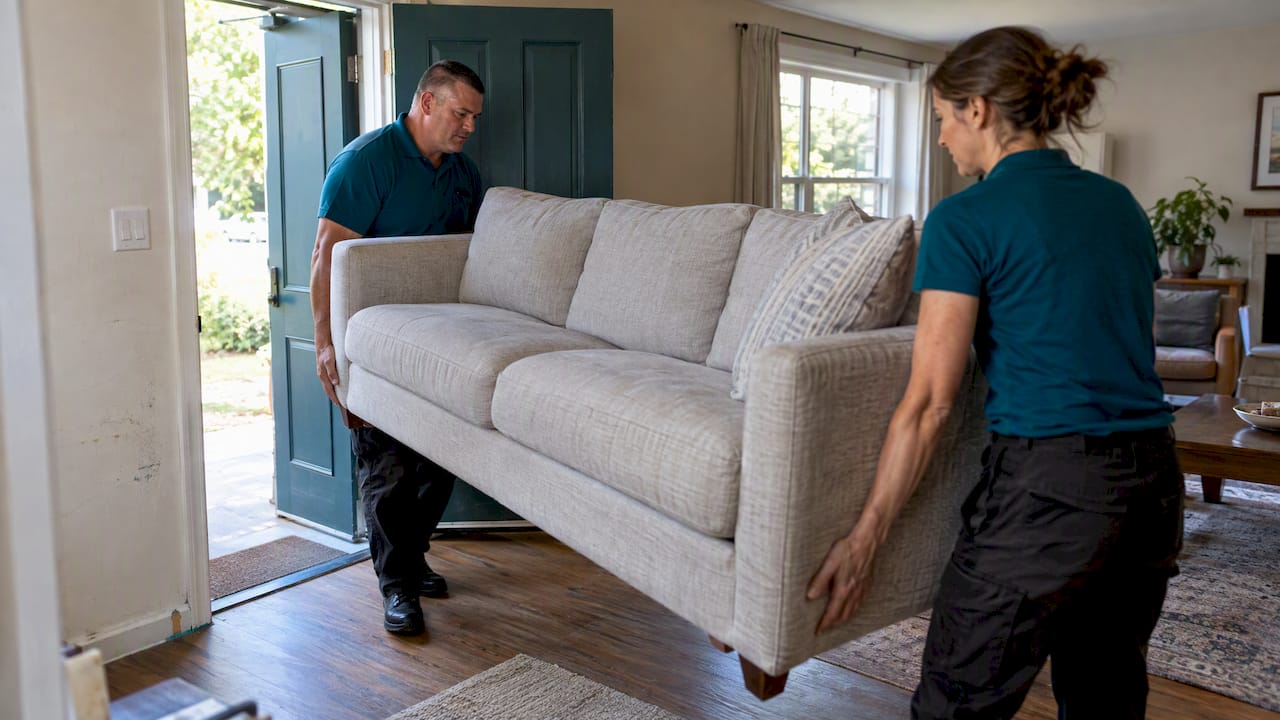
Customers want accurate arrival times, especially for high-value or bulky items that require someone to be home. Precision and reliability matter as much as speed in these categories. A same-day promise that delivers at an unknown time is far less valuable than a confirmed two-hour window.
Same-day delivery also works as a premium upsell in categories where urgency is situational. Offering standard, next-day, and same-day tiers lets customers self-select based on need. That tiered model captures margin from urgent buyers without forcing the cost onto every transaction.
Key takeaways
The core advantage of same-day fulfillment is that it converts speed into revenue, loyalty, and operational discipline simultaneously.
| Point | Details |
|---|---|
| Customer trust builds fast | Same-day delivery eliminates order anxiety and reduces support ticket volume. |
| Inventory costs drop | Faster shipping cycles reduce holding costs and free up warehouse capital. |
| Conversion rates improve | Immediate delivery options reduce cart abandonment and capture impulse purchases. |
| Operational integration is required | Launching without adjusting warehouse layout and carrier coordination creates bottlenecks. |
| Product fit determines ROI | Same-day delivers the highest return for urgent, high-stakes, or time-sensitive categories. |
Why same-day fulfillment is a strategy, not a feature
I have watched ecommerce businesses announce same-day delivery as a marketing move and then quietly pull it back three months later. The pattern is almost always the same. The promise goes live before the operation is ready, the first wave of failed deliveries generates complaints, and the team decides the cost is not worth it.
The businesses that make same-day work treat it as a logistics strategy from day one. They position inventory close to demand. They build carrier relationships before they need them urgently. They set cutoff times that protect their fulfillment team rather than cutoff times that sound good in ad copy.
The other lesson I keep coming back to is that same-day is not for every product or every customer. Next-day delivery has become the B2C baseline. Same-day holds its premium value specifically for urgent or emotionally significant purchases. Trying to offer it across your entire catalog dilutes the value and inflates your costs.
My honest advice: start with your top 20% of SKUs by velocity, position them at your closest fulfillment point, and offer same-day as a paid tier. Measure the attach rate and the repeat purchase rate from same-day buyers. The data will tell you whether to expand. Do not expand based on competitive pressure alone. Expand based on what your customers are actually willing to pay for.
— Maayan
Or-ner’s courier services for same-day ecommerce delivery
Executing same-day fulfillment requires a courier partner that is built for speed and reliability, not one that treats express delivery as an afterthought.
Or-ner provides reliable courier services across the USA, designed specifically for ecommerce businesses that need consistent, fast delivery performance. The platform supports real-time shipment tracking, scheduled pickup windows, and direct coordination between your fulfillment team and the delivery network. For smaller operations, Or-ner’s courier services for small businesses offer the same speed and visibility without requiring enterprise-level volume commitments. If you are ready to build a same-day operation that holds up under real demand, Or-ner is the place to start.
FAQ
What is same-day fulfillment?
Same-day fulfillment is the process of receiving, picking, packing, and delivering a customer’s order within the same calendar day. It requires tight coordination between warehouse operations and a courier network capable of same-day pickup and delivery.
Does same-day delivery actually improve conversion rates?
Yes. Faster delivery options reduce cart abandonment and encourage impulse purchases, particularly during limited-time sales and peak shopping seasons.
Is same-day fulfillment worth the cost for small ecommerce businesses?
It is worth the cost when applied selectively. Offering same-day as a paid premium tier for high-velocity or urgent products captures margin from time-sensitive buyers without forcing the cost onto every order.
What products benefit most from same-day delivery?
Medical supplies, perishables, last-minute gifts, apparel for events, and replacement parts benefit most. These categories share a common trait: the customer’s need is time-sensitive and cannot be deferred.
How do I prevent operational bottlenecks when launching same-day fulfillment?
Position high-velocity inventory close to your customer base, establish clear carrier pickup windows, set a hard order cutoff time, and maintain constant communication with your delivery provider to catch coordination issues before they reach the customer.