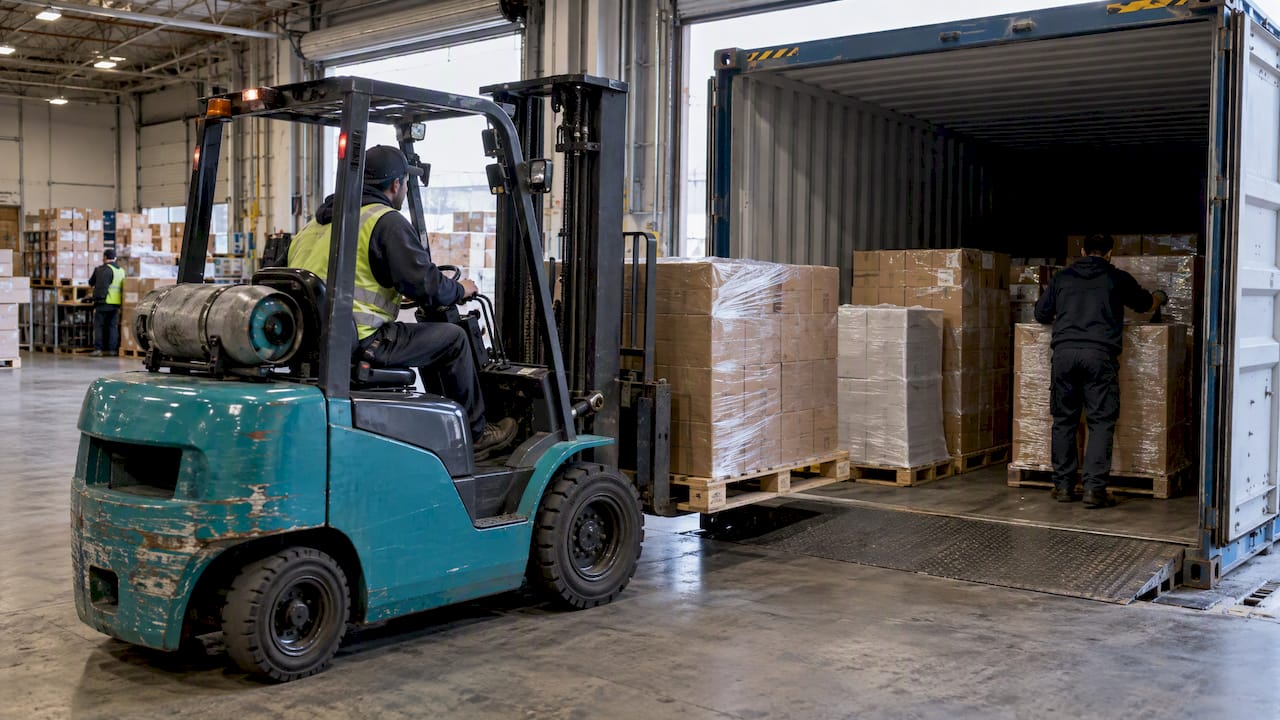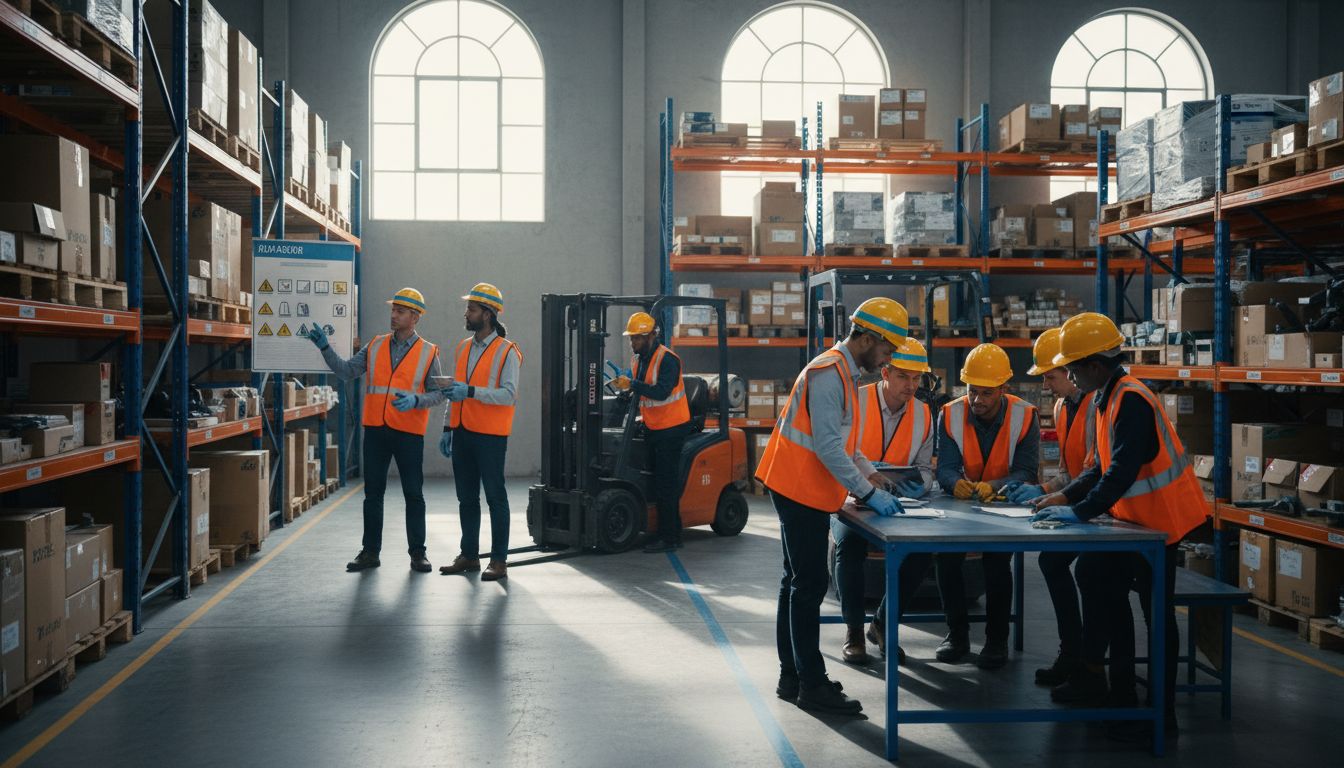
Every year, over 100,000 american warehouse workers experience preventable injuries on the job. Safety is not just a checklist item, it determines productivity, staff morale, and even the reputation of your business. By understanding practical, proven safety practices, you can create an environment where employees feel secure and operations run smoothly. From training to equipment use, discover what makes a true difference in protecting your workforce and building a safer american warehouse.
Table of Contents
- 1. Conduct Regular Safety Training For All Staff
- 2. Implement Clear Signage And Storage Labels
- 3. Maintain Clean And Organized Workspaces
- 4. Inspect And Service Equipment Frequently
- 5. Enforce Proper Lifting And Handling Techniques
- 6. Use Personal Protective Equipment Consistently
- 7. Develop Emergency Response And Evacuation Plans
Quick Summary
| Takeaway | Explanation |
|---|---|
| 1. Conduct Regular Safety Training | Comprehensive training creates a safety culture where employees actively engage in safety measures, reinforcing protocols and reducing accidents. |
| 2. Implement Clear Signage and Labels | Proper labeling and signage enhance safety by providing immediate visual cues for hazards, storage requirements, and safety protocols. |
| 3. Maintain Clean and Organized Workspaces | A tidy workspace prevents accidents and demonstrates care for employee safety, making it essential to establish routine cleaning protocols. |
| 4. Inspect and Service Equipment Frequently | Regular equipment checks prevent accidents by identifying potential hazards early, ensuring a safe operational environment. |
| 5. Use Personal Protective Equipment Consistently | Proper use of PPE acts as a critical line of defense against workplace injuries, and regular maintenance of this equipment is essential for safety. |
1. Conduct Regular Safety Training for All Staff
Warehouse safety starts with knowledge and preparation. Comprehensive safety training is the foundation of preventing workplace accidents and protecting your most valuable asset: your employees.
According to Harper College, effective warehouse safety training should focus on establishing a robust safety culture. This means going beyond simple rule recitation and creating an environment where every team member understands and actively participates in maintaining workplace safety.
Your safety training program should cover critical areas such as:
- Proper lifting techniques to prevent back and muscle injuries
- Emergency procedure protocols
- Correct usage of personal protective equipment
- Hazard identification and reporting processes
- Machinery and equipment operation guidelines
The goal is transforming safety from a checklist item into a mindset. New employees need comprehensive initial training, while existing staff should receive annual refresher courses. Consistency is key. Regular training sessions help reinforce safety protocols and keep critical information fresh in workers’ minds.
As recommended by Texas Department of Insurance, supplement training by posting clear safety policies and emergency procedures in visible locations throughout the warehouse. Visual reminders can significantly improve information retention and quick response during critical moments.
Implement a structured training approach that includes hands on demonstrations, interactive sessions, and periodic assessments. Track participation and comprehension to ensure your safety training truly makes a difference in preventing workplace injuries.
2. Implement Clear Signage and Storage Labels
Visual communication is your first line of defense in warehouse safety. Clear signage and storage labels transform chaotic spaces into organized environments that protect workers and optimize workflow.
According to the Texas Department of Insurance, proper labeling and signage are crucial for warehouse safety. They help workers quickly identify hazardous areas, understand storage requirements, and follow critical safety protocols.
Key areas for effective warehouse labeling include:
- Hazard zone markings
- Weight capacity indicators
- Emergency exit routes
- Equipment operation instructions
- Material storage guidelines
- Safety equipment locations
As research from Materials Safety and Health Administration highlights, organized labeling ensures materials can be located quickly without unnecessary searching. This reduces accident risks and increases overall workplace efficiency.
Best practices for implementing warehouse labels:
- Use high contrast colors for maximum visibility
- Select durable materials that withstand warehouse conditions
- Ensure text is large and clear from a distance
- Update labels regularly to reflect current safety standards
- Position signs at eye level for maximum impact
Think of your warehouse labels as a silent safety communication system. They guide workers, prevent accidents, and create a culture of awareness without constant verbal instruction. Investing time in creating comprehensive signage is an investment in your team’s safety and operational excellence.
3. Maintain Clean and Organized Workspaces
Cleanliness is more than appearance in warehouse operations. A meticulously organized workspace is a fundamental safety strategy that prevents accidents and boosts overall productivity.
According to ANSI Blog, maintaining a clean warehouse demonstrates genuine care for employee well-being and helps ensure compliance with industry safety regulations. A cluttered workspace is not just unsightly it is dangerous.
Critical areas to focus on during workspace organization include:
- Immediate debris removal
- Clear walking pathways
- Organized storage zones
- Prompt spill cleanup
- Regular equipment maintenance
- Systematic inventory management
Texas Department of Insurance emphasizes that immediate disposal of debris and quick response to potential hazards significantly reduce risks of slips, trips, and falls. These seemingly small actions can prevent major workplace accidents.
Implement a systematic cleaning routine that assigns specific responsibilities to team members. Create a checklist that covers daily, weekly, and monthly cleaning tasks. Integrate cleaning protocols into your standard operational procedures, making workspace organization a fundamental part of your team culture.
Practical steps for maintaining clean workspaces:
- Schedule dedicated cleaning times
- Provide easily accessible waste management stations
- Train employees on proper cleaning techniques
- Conduct regular workspace inspections
- Invest in appropriate cleaning equipment
Remember that a clean warehouse is not about perfection. It is about creating a safe, efficient environment where workers can perform their best without unnecessary risks.
4. Inspect and Service Equipment Frequently
Equipment reliability is the heartbeat of warehouse safety. Regular inspections transform potential hazards into predictable, manageable systems that protect your most valuable assets your workers and your inventory.
According to Materials Safety and Health Administration, examining your warehouse equipment during each working shift is essential. Identifying and correcting unsafe conditions before they become critical problems is a proactive approach to workplace safety.
Critical equipment inspection areas include:
- Shelving and storage rack integrity
- Forklift and material handling equipment
- Conveyor systems
- Electrical systems and connections
- Lifting and rigging equipment
- Safety guards and protective mechanisms
The Texas Department of Insurance recommends installing rack upright guards and consistently monitoring storage systems for potential damage. Structural integrity is not something to leave to chance.
Develop a comprehensive equipment inspection protocol that includes:
- Daily visual equipment checks
- Weekly detailed maintenance reviews
- Monthly in depth system assessments
- Immediate reporting of potential issues
- Professional annual equipment evaluations
Think of equipment inspections as preventative healthcare for your warehouse. Just as you would not ignore warning signs in your body, do not overlook subtle signs of equipment wear or potential malfunction. Consistent, thorough inspections can prevent costly accidents and unexpected operational disruptions.
5. Enforce Proper Lifting and Handling Techniques
Muscle injuries are silent productivity killers in warehouse environments. Understanding and implementing correct lifting techniques can mean the difference between a healthy workforce and potential long term disability claims.
According to OSHA, proper lifting involves more than brute strength. It requires technique, body awareness, and strategic movement to prevent musculoskeletal injuries.
Core principles of safe lifting include:
- Bend at the knees not the waist
- Keep the back straight
- Hold loads close to the body
- Avoid twisting while lifting
- Use leg muscles for power
- Maintain a stable base with feet shoulder width apart
Materials Safety and Health Administration recommends prioritizing powered equipment over manual lifting whenever possible. This strategy dramatically reduces individual strain and potential injury risks.
Establish a comprehensive lifting training program that includes:
- Hands on demonstration of correct techniques
- Regular practice sessions
- Visual aids and instructional materials
- Periodic technique assessments
- Incentives for safe lifting practices
Think of proper lifting as a skill set. Just like any other professional capability, it requires education, practice, and consistent reinforcement. Your team is your most valuable asset protect them by teaching them how to protect themselves.
6. Use Personal Protective Equipment Consistently
Personal protective equipment transforms safety from a concept to a physical shield. In warehouse environments, your gear is the last line of defense between you and potential workplace injuries.
According to the Texas Department of Insurance, comprehensive protective clothing is not optional it is essential. This means more than just wearing equipment it means selecting the right gear and maintaining it properly.
Critical personal protective equipment includes:
- Hard hats for head protection
- Safety goggles to shield eyes
- High visibility vests
- Steel toed work boots
- Cut resistant gloves
- Ear protection in noisy areas
- Respiratory masks when needed
Materials Safety and Health Administration emphasizes that protective equipment goes beyond just wearing items. It involves understanding when and how to use each piece of safety gear correctly.
Implement a comprehensive PPE management strategy:
- Conduct regular equipment inspections
- Replace damaged protective gear immediately
- Train employees on proper usage
- Create clear PPE requirement guidelines
- Establish accountability for equipment maintenance
Remember that personal protective equipment is an investment in your team’s health and your operational continuity. Treat it as a non negotiable aspect of your warehouse safety culture.
7. Develop Emergency Response and Evacuation Plans
Emergency preparedness is not about predicting disasters it is about being ready when they happen. A robust emergency response plan transforms potential chaos into coordinated action.
Texas Department of Insurance emphasizes that posting safety policies and emergency procedures in visible locations is crucial. These visual reminders keep critical information front and center for all workers.
Key components of an effective emergency response plan include:
- Clearly marked emergency exit routes
- Designated assembly points outside the facility
- Specific evacuation procedures for different scenarios
- Communication protocols during emergencies
- Roles and responsibilities for emergency response team
- First aid and medical response guidelines
- Equipment shutdown procedures
Materials Safety and Health Administration recommends establishing safe procedures and identifying potential hazards before work begins. This proactive approach minimizes risks and prepares teams for potential emergencies.
Develop your emergency response strategy through:
- Comprehensive team training sessions
- Regular emergency drills
- Updating procedures based on lessons learned
- Maintaining open communication channels
- Investing in emergency response equipment
Think of your emergency plan as a living document. It should evolve with your warehouse, reflecting changing technologies, workforce, and potential risks. Preparedness is not a one time event but an ongoing commitment to safety.
Below is a comprehensive table summarizing the key safety strategies and practices for warehouse operations as discussed in the article.
| Strategy | Implementation | Benefits/Outcomes |
|---|---|---|
| Regular Safety Training | Comprehensive training, focus on participation, annual refreshers, visible safety policies | Prevention of accidents, informed employees |
| Clear Signage & Labels | High contrast labels, durable materials, regular updates, eye-level positioning | Organized environment, quick response, reduced accident risks |
| Clean & Organized Workspaces | Immediate debris removal, clear pathways, systematic cleaning routines | Enhanced safety, increased productivity |
| Equipment Inspection & Maintenance | Daily checks, weekly reviews, monthly assessments, professional evaluations | Reduced equipment failure, prevention of costly accidents |
| Proper Lifting Techniques | Demonstrations, regular practice, visual aids, technique assessments | Prevention of injuries, healthier workforce |
| Consistent Use of PPE | Regular inspections, training, clear guidelines | Reduced workplace injuries, enhanced operational continuity |
| Emergency Response & Evacuation Plans | Marked exits, assembly points, regular drills, communication protocols | Coordinated action, minimized risks in emergencies |
Strengthen Your Warehouse Safety with Trusted Logistics Solutions
Maintaining a safe and efficient warehouse is crucial for ecommerce success but managing safety protocols like proper training, equipment maintenance, and emergency preparedness can be overwhelming. Challenges like organizing clean workspaces, enforcing correct lifting techniques, and ensuring consistent use of personal protective equipment all demand reliable, streamlined support. That is where partnering with a trusted logistics platform can turn these complex safety goals into manageable daily operations.

Experience how Reliable courier services combined with integrated warehousing and inventory management at or-ner.com empower your team to focus on safety and productivity without sacrificing speed or accuracy. Take the next step for your ecommerce logistics by visiting or-ner.com today to discover how our end-to-end solutions support safer, smarter warehouse environments and flawless fulfillment operations. Start protecting your workforce and your business now.
Frequently Asked Questions
What are the key elements of safety training for warehouse staff?
Comprehensive safety training should cover proper lifting techniques, emergency protocols, and personal protective equipment usage. Establish an ongoing training program that includes initial sessions for new hires and annual refreshers for existing staff.
How can clear signage improve warehouse safety?
Clear signage helps workers identify hazards, understand safety protocols, and navigate emergency routes. Implement high-visibility signs and labels throughout the warehouse to enhance awareness and safety compliance.
What steps can I take to maintain a clean and organized warehouse environment?
Focus on immediate debris removal, clear walking pathways, and organized storage zones. Create a daily cleaning routine that assigns specific tasks to team members, ensuring a safe and efficient workspace.
How often should warehouse equipment be inspected?
Regular equipment inspections should occur daily, with detailed maintenance reviews weekly and comprehensive assessments monthly. Develop a checklist to identify any potential issues promptly and ensure safety standards are consistently met.
What lifting techniques should be emphasized in training programs?
Train staff on proper lifting techniques, such as bending at the knees, keeping the load close to the body, and avoiding twisting while lifting. Incorporate hands-on demonstrations and regular practice sessions to reinforce these techniques effectively.
What components are essential for an effective emergency response plan?
An effective emergency response plan should include clearly marked exits, designated assembly points, and specific procedures for various emergency scenarios. Regular drills and updates to the plan will keep it practical and ready for any situation.
Recommended
- Just in Time Delivery: Essential Guide for 2025 Success – ORNER
- Top Warehouse Management Strategies for Ecommerce Success – ORNER
- What is Ecommerce Logistics? Key Insights for 2025 – ORNER
- Ecommerce Shipping Insurance Guide 2025: Reduce Risk and Loss – ORNER
- 7 Essential Warehouse Food Storage Tips for Businesses – Probe IT